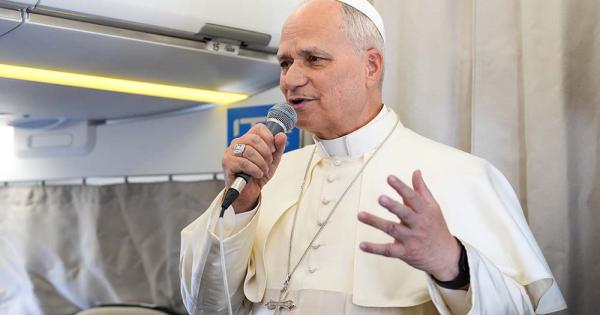
Pope Leo XIV, en route from Istanbul to Beirut on Nov. 30, reiterated the Vatican's long-standing support for a two-state solution between Israel and Palestine and said the Holy See will continue to seek a mediating role despite Israeli resistance. He told reporters that Turkish President Erdogan backs a two-state outcome and could play a constructive role in mediating both Israel-Palestine and Russia-Ukraine negotiations; the pope also proposed a joint Christian visit to Jerusalem in 2033 and arrived in Lebanon for a short Nov. 30–Dec. 2 trip. The statements underscore continued diplomatic engagement that could influence regional political risk and investor focus on Middle East stability, but contain no immediate economic data or policy moves likely to move markets materially.
Market-structure: Vatican diplomatic pressure and Turkey’s positioning are incremental de-escalation signals that primarily compress geopolitical risk premia rather than restructure industries. Near-term winners: EM sovereign credit and regional tourism/airlines (if ceasefire prospects improve); losers: safe-haven assets (GLD, TLT) and short-dated oil hedges. Defense contractors (LMT, RTX, GD) retain pricing power on sustained conflict but face margin risk if a credible ceasefire emerges within 1–3 months.
Risk assessment: Tail risks include rapid regional escalation (Hezbollah cross-border campaign, wider state involvement) that would spike oil >15% and widen EM spreads by 200–400bp within days. Time horizons: immediate (days) volatility spikes; short-term (weeks–months) directional moves on ceasefire momentum; long-term (years) structural shifts if Turkey cements mediator role altering alliance dynamics. Hidden dependencies: U.S. policy shifts, Israeli domestic politics, and refugee flows that can flip market sentiment faster than public diplomacy suggests.
Trade implications: Express asymmetric views via options and small cash positions: buy selective 3–6 month call spreads on top defense names as insurance against escalation while shorting short-dated oil exposure via put spreads to capture de-risking. Tilt into EMB/EEM (2–4% position) over 3–6 months to capture carry if mediation reduces EM risk premium; hedge with 1–2% position in LMT/RTX calls. Use event triggers (30‑day sustained ceasefire or public Erdogan-brokered talks) to cut defense longs by 50% and take profits on oil shorts if Brent falls >8%.
Contrarian angles: Consensus treats Vatican comments as symbolic; that underestimates leverage of multi-lateral mediation—if Turkey and Vatican coordinate diplomacy, probability of a multipoint ceasefire over 60–90 days rises meaningfully (from ~25% to ~45%), compressing EM spreads 50–150bp. Overreaction risk: markets may oversell defense stocks on a temporary headline ceasefire; pair trades (long EMB, short LMT/RTX small size) exploit that. Unintended consequence: intensified diplomatic pressure could harden political positions, producing the opposite market move—maintain tight stop-losses and size limits.
AI-powered research, real-time alerts, and portfolio analytics for institutional investors.
Request DemoOverall Sentiment
neutral
Sentiment Score
0.00
