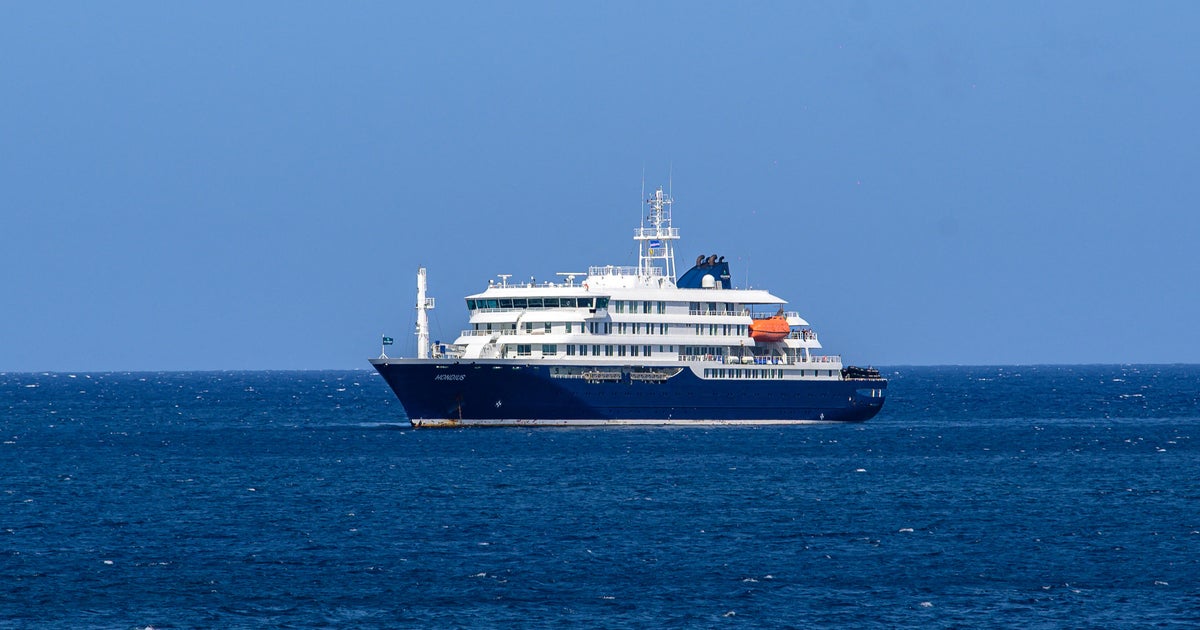
A suspected hantavirus outbreak on the Dutch-flagged cruise ship MV Hondius has killed 3 people and sickened at least 3 more, with at least 1 case confirmed and another passenger in intensive care. The vessel has been prevented from docking in Cape Verde while authorities coordinate evacuations and contact tracing, keeping the risk to the wider public low but highlighting a serious health event for cruise travel. The incident may pressure cruise operators and broader travel sentiment, though it is not expected to have market-wide impact.
This is a classic low-probability, high-friction operational shock for travel assets: the direct economic damage is small, but the optics of a suspected onboard infectious death cluster can move booking behavior faster than regulators can reassure. The biggest second-order effect is not on cruise demand broadly; it is on premium expedition and polar-cruise operators, where customers are older, higher-income, and more risk-sensitive, making cancellation elasticity meaningfully higher than mass-market cruises.
The market should watch for a two-step hit: first, near-term booking freezes/cancellation chatter for expedition cruise names and adjacent tour operators; second, higher insurance, medical screening, and vessel sanitation costs across the niche. That cost stack is manageable in isolation, but it compresses margins because these operators already run with limited capacity utilization and high fixed costs, so even a low-single-digit decline in load factor can disproportionately pressure earnings.
The contrarian angle is that the headline risk likely overstates systemic contagion but understates reputational scarring. If authorities continue to frame this as a contained, ship-specific event, broad travel and leisure should recover quickly; however, specialized cruise operators may see a longer discount rate penalty because the customer base is older and the booking window is long. The tradeable edge is in separating broad reopening/travel exposure from niche operators whose demand is most sensitive to health scares and port-access disruptions.
Tail risk is regulatory: repeated incidents could prompt stricter pre-boarding medical protocols, mandatory health disclosure, and more conservative port-entry rules over the next 1-3 months, raising operating friction across the sector. The near-term catalyst is any confirmation of transmission path or additional cases; if laboratory sequencing suggests a common-source or crew-to-passenger spread, the selloff in niche cruise names could extend materially for several weeks.
AI-powered research, real-time alerts, and portfolio analytics for institutional investors.
Request DemoOverall Sentiment
strongly negative
Sentiment Score
-0.86
