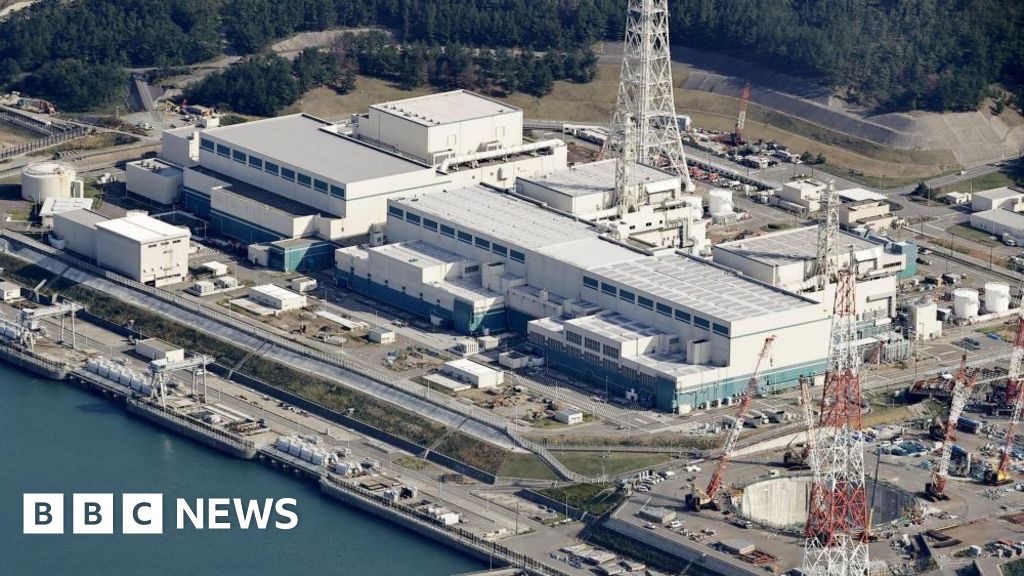
Niigata Governor Hideyo Hanazumi has given conditional approval to a partial restart of the Kashiwazaki-Kariwa nuclear plant—the world’s largest—operated by Tepco, with formal sign-off still required from the prefectural assembly and Japan’s nuclear regulator; the plan would restart reactor No. 6 followed by No. 7. If approved it would mark the first time Tepco is allowed to resume reactor operations since the 2011 Fukushima meltdown, a disaster that forced some 150,000 evacuations and left Tepco liable for trillions of yen in damages and decommissioning costs, and is part of the utility’s business-reconstruction plan. Local opinion is sharply divided—Niigata polling shows roughly 50% support versus 47% opposition and nearly 70% express concern about Tepco running the plant—and the move reflects a broader push in Japan to expand nuclear generation to reduce fossil-fuel dependence and meet net‑zero targets.
Niigata Governor Hideyo Hanazumi has given conditional approval for a partial restart of the Kashiwazaki-Kariwa plant operated by TEPCO, with formal sign-off still required from the prefectural assembly and Japan’s nuclear regulator; the plan targets recommencement of reactor No. 6 followed by No. 7 and would mark TEPCO’s first reactor operations since the 2011 Fukushima meltdown. The Fukushima disaster forced roughly 150,000 evacuations and left TEPCO liable for trillions of yen in damages and decommissioning costs, making local trust a material constraint on any restart.
A recent Niigata survey shows the electorate divided—about 50% support, 47% oppose, and nearly 70% express concern about TEPCO running the plant—highlighting significant political and reputational risk that could affect timelines and costs. Fourteen reactors have restarted nationally since 2011, and Tokyo’s broader push to expand atomic energy to meet net-zero goals frames this as policy-driven demand for nuclear capacity rather than an isolated corporate event.
Market signals classify the story as mixed with a cautious tone (sentiment score 0.05, market impact 0.32); uranium- and nuclear-focused ETFs show modestly positive per-ticker sentiment (URA 0.3, NLR 0.4) while Japan exposure (EWJ 0.1) is only slightly positive. The near-term investment case hinges on regulatory approvals and local political risk, making the restart a binary catalyst for sector-focused trades and policy-sensitive long-duration allocations.
AI-powered research, real-time alerts, and portfolio analytics for institutional investors.
Request DemoOverall Sentiment
mixed
Sentiment Score
0.05
Ticker Sentiment
