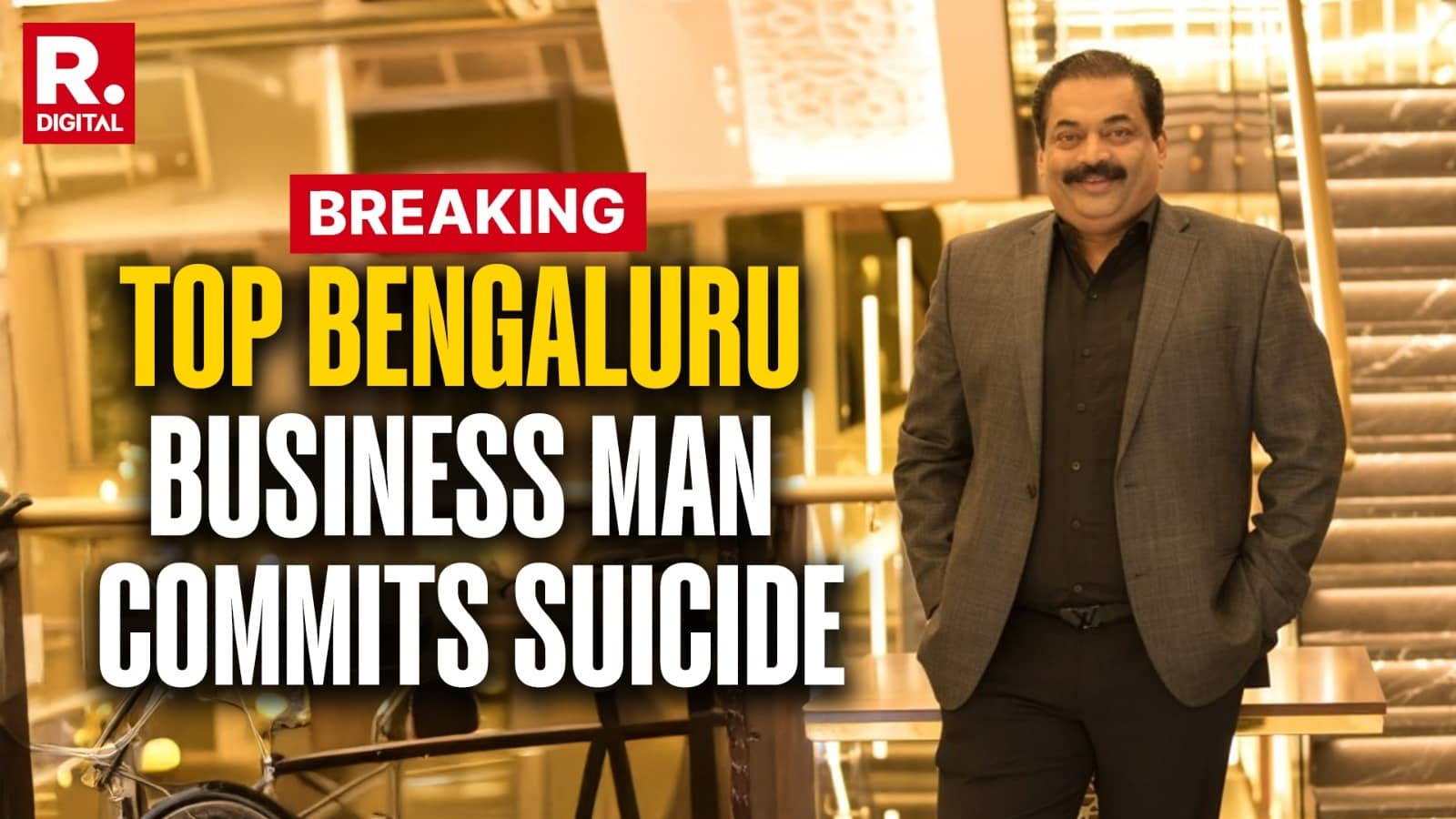
Confident Group founder and chairman CJ Roy died by suicide at his Bengaluru office hours after Income Tax raids at his company's offices over alleged tax evasion; police seized the pistol, reviewed CCTV footage, and are examining his phone and office for evidence. The incident introduces immediate legal and reputational uncertainty for Confident Group — a real estate and infrastructure firm founded in 2006 — and could prompt heightened regulatory scrutiny, operational disruption on ongoing projects, and concern among lenders, partners and investors, though no financials were disclosed.
Market structure: The immediate winners are high‑quality, cash‑rich real estate players and REITs (flight‑to‑quality) plus safe assets (sovereign bonds, gold); direct losers are mid/small‑cap builders, subcontractors and locally financed projects tied to Confident Group where funding lines may be pulled. Pricing power shifts toward developers with low net debt (net debt/EBITDA <~2x) and finished‑inventory focus; expect a 5–20% funding spread widening for risky BBB‑rated developers within weeks. Supply/demand: sentiment shock will slow new project launches in Bengaluru and similar markets for 1–3 quarters, tightening future completions but increasing unsold stock liquidation near term.
Risk assessment: Tail risks include a regulatory cascade (multiple IT/CBI raids) that forces lender covenant breaches and defaults — a low‑probability but high‑impact scenario that could push delinquency rates among NBFC/real‑estate loans +200–500bp within 3–6 months. Immediate risks (days) are volatility and funding withdrawal; short term (weeks/months) is credit repricing; long term (quarters) is potential policy/tax tightening. Hidden dependencies: suburban supply chains, escrow mechanics, and municipal approvals in Karnataka — contagion will be concentrated where Confident Group was a large employer/borrower.
Trade implications: Direct plays — short NIFTY REALTY via futures or buy 3‑month put spreads (10%/20% strikes), sizing 1–2% of portfolio; establish tactical shorts in mid‑cap names SOBHA.NS and BRIGADE.NS (0.5–1% each) via stock or 3‑month 10% OTM puts. Hedging and rotation — buy 3–6 month Indian 10y govt bond futures (1–2% allocation) and 0.5–1% gold (GLD or physical) as safe‑haven; selectively accumulate large‑cap, low‑leverage names (DLF.NS, GODREJPROP.NS) on any >15% sell‑off for 2–3 quarter rebound.
Contrarian angles: Consensus will over‑penalize all developers; historically (post‑2018/2019 sector shocks) high‑quality balance sheets gained market share within 6–12 months and land prices reset, creating 20–40% upside for survivors. Mispricing window likely lasts 4–12 weeks; unintended consequence — aggressive shorting of listed names could open acquisition/market‑share opportunities for well‑capitalised players if credit conditions normalise. Monitor forensic outcomes closely — the trade flips on material evidence of systemic malpractice vs isolated incidents.
AI-powered research, real-time alerts, and portfolio analytics for institutional investors.
Request DemoOverall Sentiment
strongly negative
Sentiment Score
-0.60
