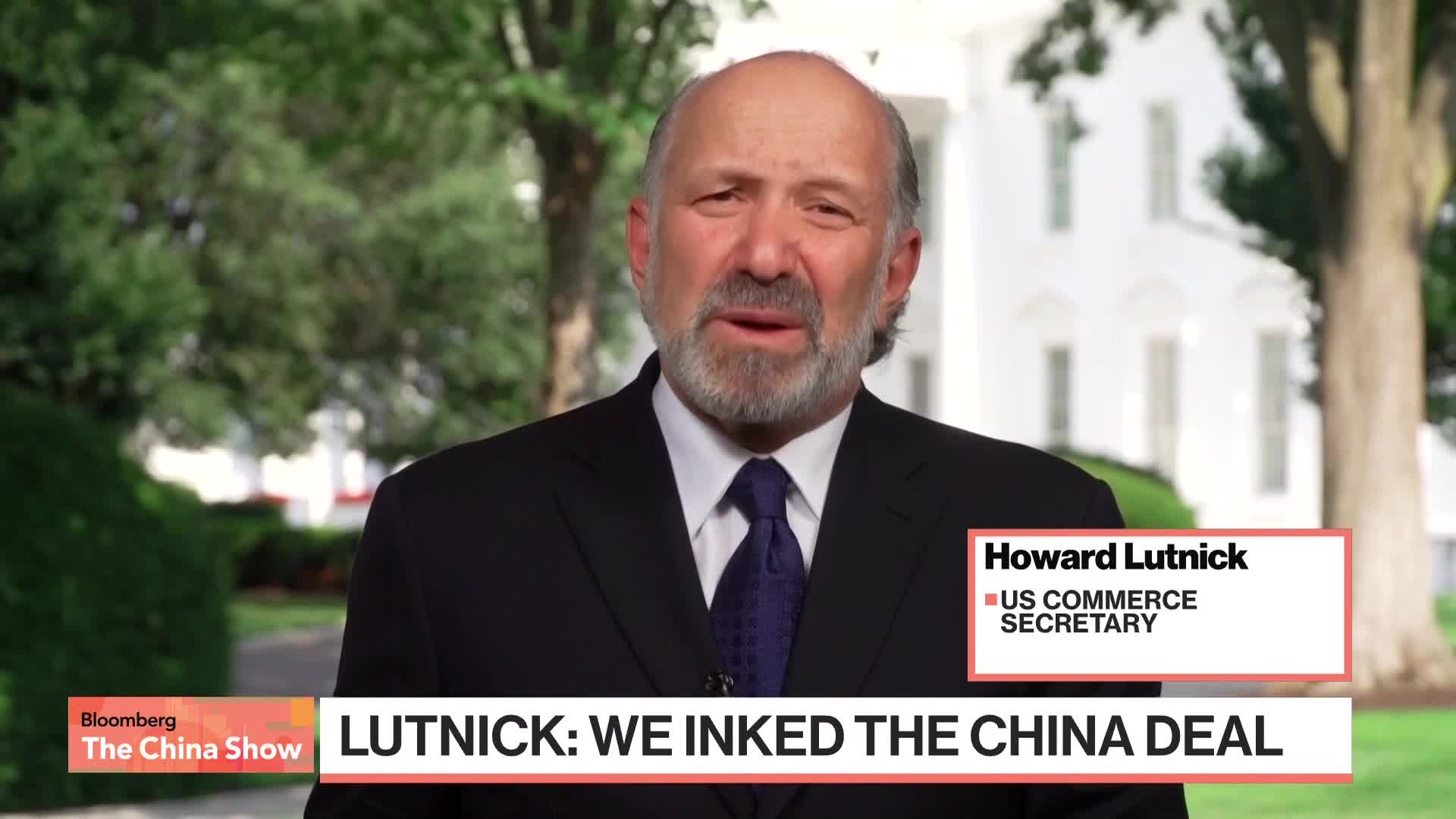
The US and China have finalized a trade understanding, initially reached last month in Geneva, which includes China's commitment to deliver rare earths. This agreement, confirmed by US Commerce Secretary Howard Lutnick, is significant for industries reliant on these critical materials, potentially ensuring supply chain stability for a vital input.
The finalization of a US-China trade understanding, confirmed by US Commerce Secretary Howard Lutnick, marks a notable development in bilateral economic relations. Central to this agreement, which builds upon a preliminary understanding from Geneva, is China's commitment to ensure the delivery of rare earths. This provision directly addresses a significant supply chain vulnerability for the United States, given that these materials are critical inputs for a wide range of industries and China is the dominant global supplier. The moderately positive sentiment and moderate market impact signals suggest that while this is a constructive step in de-risking a key geopolitical friction point and stabilizing a crucial commodity flow, it is viewed as an incremental improvement rather than a comprehensive resolution of all trade tensions.
AI-powered research, real-time alerts, and portfolio analytics for institutional investors.
Request DemoOverall Sentiment
moderately positive
Sentiment Score
0.60
