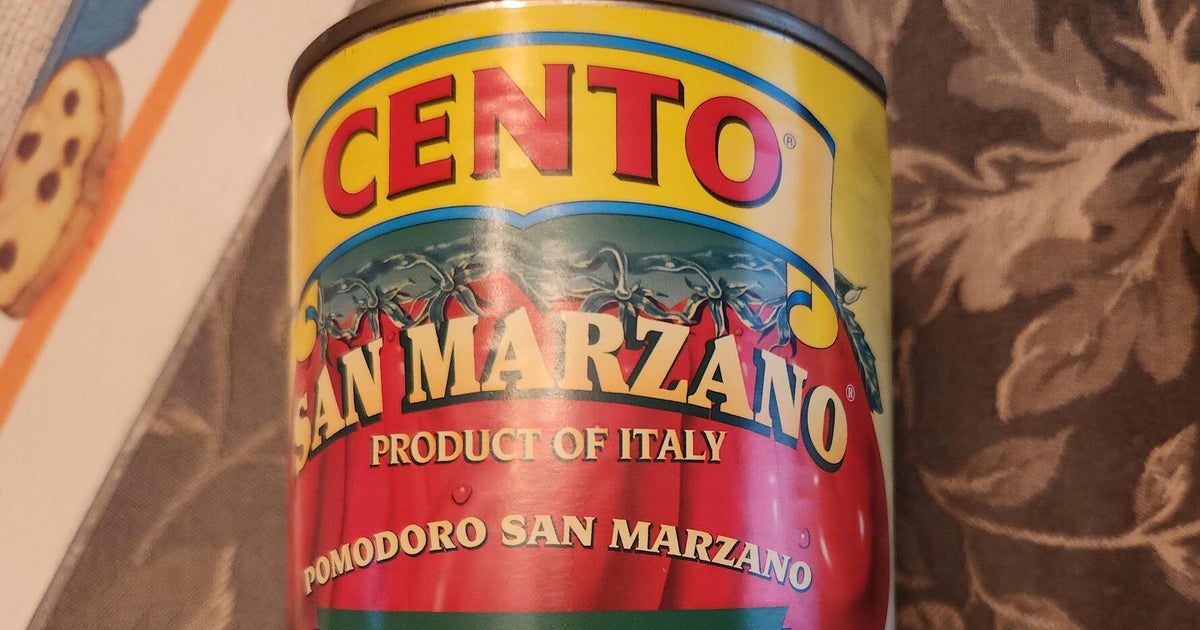
Cento Fine Foods is facing a lawsuit alleging 'tomato fraud' over claims that its Certified San Marzano canned tomatoes are not authentic San Marzano DOP product from Italy. The suit argues the labeling is false and misleading, potentially pressuring Cento's brand reputation and consumer trust. The article also cites a prior 2019 lawsuit challenging Cento's San Marzano claims.
This is less about one condiment brand and more about the economics of trust in premium private-label-style grocery. If plaintiffs can credibly argue the label induces a premium for origin/quality attributes that the product does not consistently deliver, the overhang extends beyond direct legal costs into retailer shelf placement, promo support, and co-pack/private-label negotiation leverage. The near-term loser is the brand owner’s margin structure: premium tomato claims are only valuable if the company can maintain pricing power, and legal discovery around sourcing and certification can force costly reforms even without an adverse verdict. The second-order issue is regulatory spillover. Once a niche imported-origin claim gets challenged, compliance scrutiny tends to widen to adjacent products with geographic or certification positioning, especially in Italian pantry, olive oil, cheese, and canned seafood categories. That creates a subtle winner/loser split: authentic premium importers and retailers with tighter provenance controls can gain share, while brands relying on opaque certification language may need to discount or relabel, compressing category ASPs over the next 6-18 months. Catalyst path matters: the stock impact is usually muted until an injunction, class certification, or adverse expert report creates a real remediation cost. The main tail risk for the company is not the headline lawsuit but a forced packaging change or retailer delisting that disrupts velocity during a replenishment cycle. Conversely, if the firm can produce granular lot-level traceability and third-party audit evidence quickly, the issue may stay contained as a nuisance claim rather than a demand shock. Contrarian view: the market may be overestimating consumer backlash. In grocery, most buyers are price-and-convenience driven; provenance claims matter disproportionately to a small but high-margin subset. That means the more likely outcome is a modest hit to premium mix, not a broad volume collapse—unless plaintiff counsel uncovers a systematic sourcing discrepancy that makes the certification story untenable across multiple SKUs.
AI-powered research, real-time alerts, and portfolio analytics for institutional investors.
Request DemoOverall Sentiment
moderately negative
Sentiment Score
-0.45
