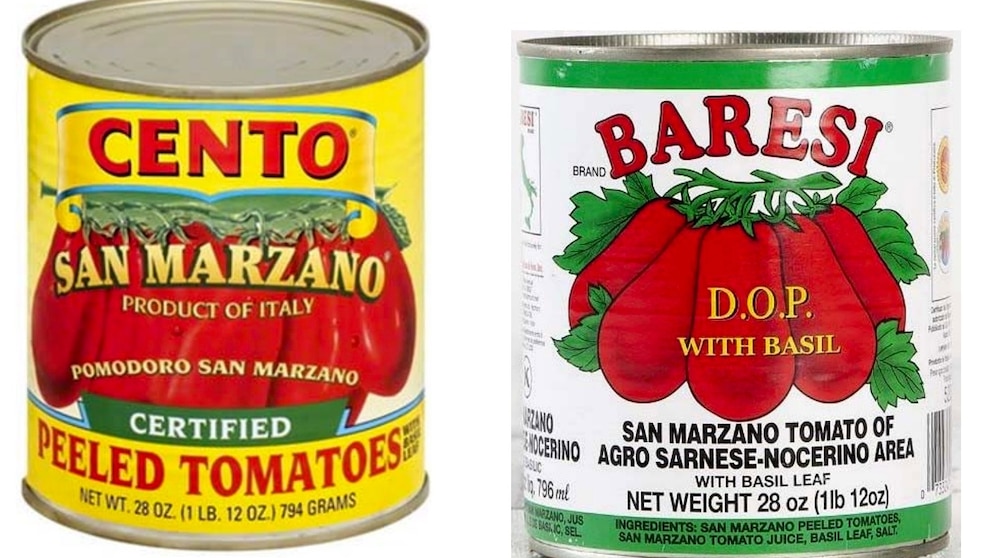
Cento Fine Foods faces a proposed California class action seeking more than $25 million over allegations that its San Marzano tomato products are falsely labeled as 'Certified San Marzano' despite lacking proper certification. The company says the suit is meritless and plans to seek prompt dismissal, noting it previously defeated a similar New York case that was dismissed in 2020. The dispute centers on labeling, certification, and consumer deception rather than near-term financial performance.
This is less a single-name earnings risk than a consumer-trust event with asymmetric spillover into the premium-import aisle. The immediate loser is the branded canned-tomato category broadly: if the claim gains traction, retailers have incentive to lean harder on private label and on alternate “certified” importers, pressuring shelf space and promotional economics for any SKU carrying a protected-origin premium. The first-order damages to the company may be limited if the products remain on shelf, but the second-order hit is higher customer-acquisition cost and a slower velocity reset as shoppers become more price-sensitive and trade down within the category.
The key market implication is litigation duration. Even if dismissal is likely on the merits, the overhang can persist for quarters because the issue is not product safety but labeling semantics, which juries and consumers often penalize more than courts do. That creates a mismatch: legal outcomes may favor the company, but brand equity can still erode through repeated headlines, social amplification, and retailer caution. The risk window is 1-3 months for headline-driven de-rating, with 6-12 months for any measurable private-label share shift.
The contrarian angle is that the consensus may overestimate permanent impairment. If the company can quickly reframe the claim as a technical certification dispute rather than an authenticity scandal, the long-term cash-flow impact could be small, especially because most buyers in this niche are not maximizing origin purity so much as paying for a consistent premium experience. A rapid dismissal, coupled with retailer continuity, would likely compress the event into a short-lived sentiment shock rather than a structural demand break.
AI-powered research, real-time alerts, and portfolio analytics for institutional investors.
Request DemoOverall Sentiment
moderately negative
Sentiment Score
-0.35
