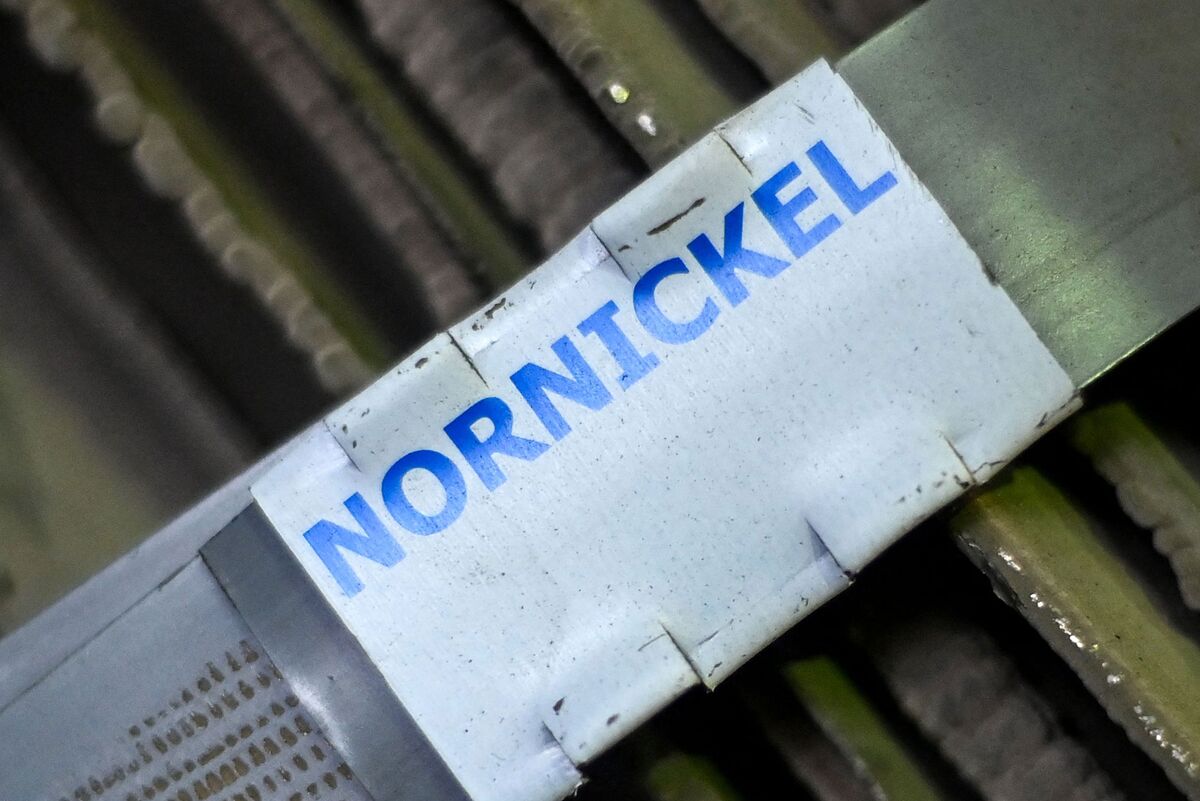
Nornickel is committing $100 million to deploy AI to find new uses for palladium and aims to create 1.7 million ounces of additional annual demand, roughly 20% of current demand. The initiative targets demand lost to EV adoption (fewer catalytic converters) and, if successful, could materially alleviate downward pressure on palladium prices and support Nornickel's revenue mix, though execution and adoption remain uncertain.
A re-acceleration of incremental demand-seeking activity for a niche precious metal will change price formation dynamics more than headlines imply. If new end‑uses or faster recycling can absorb a few hundred thousand ounces annually, volatility should compress as episodic auto-catalyst-driven swings become a smaller share of turnover; expect realized vol to fall over 12–24 months, compressing risk premia on producers and ETFs.
Winners are likely to be technology-enabled recyclers and catalyst formulators who can monetize scrap and substitution faster than miners can cut fixed costs — they capture margin on both feedstock and product innovation. Conversely, high fixed‑cost primary producers face margin squeeze if price falls and cannot quickly adjust long‑cycle CAPEX; this is amplified by sovereign/geopolitical risk that limits trading liquidity in certain listings, increasing basis risk for physical holders.
Key catalysts and tails span short and long horizons: within weeks, positioning flows or a large recycle tender can move front‑month prices; over 6–18 months, licensing deals or process scale‑up (commercial plant commissioning) will determine whether new demand is additive or merely substitutional. The biggest reversal risk is rapid substitution back to a cheaper metal or an unforeseen supply jump from unlocked secondary streams — either can send prices down 20–40% within quarters.
Strategically, the space favors flexible, asset light exposure to the value chain (recyclers, refiners, catalyst makers) and pair trades that isolate metal price moves from operational company risk. For portfolio construction, keep position sizes modest until a 6–12 month demonstration of techno‑economic viability — otherwise this is a multi‑year binary with asymmetric information and concentrated counterparties.
AI-powered research, real-time alerts, and portfolio analytics for institutional investors.
Request DemoOverall Sentiment
mildly positive
Sentiment Score
0.25
