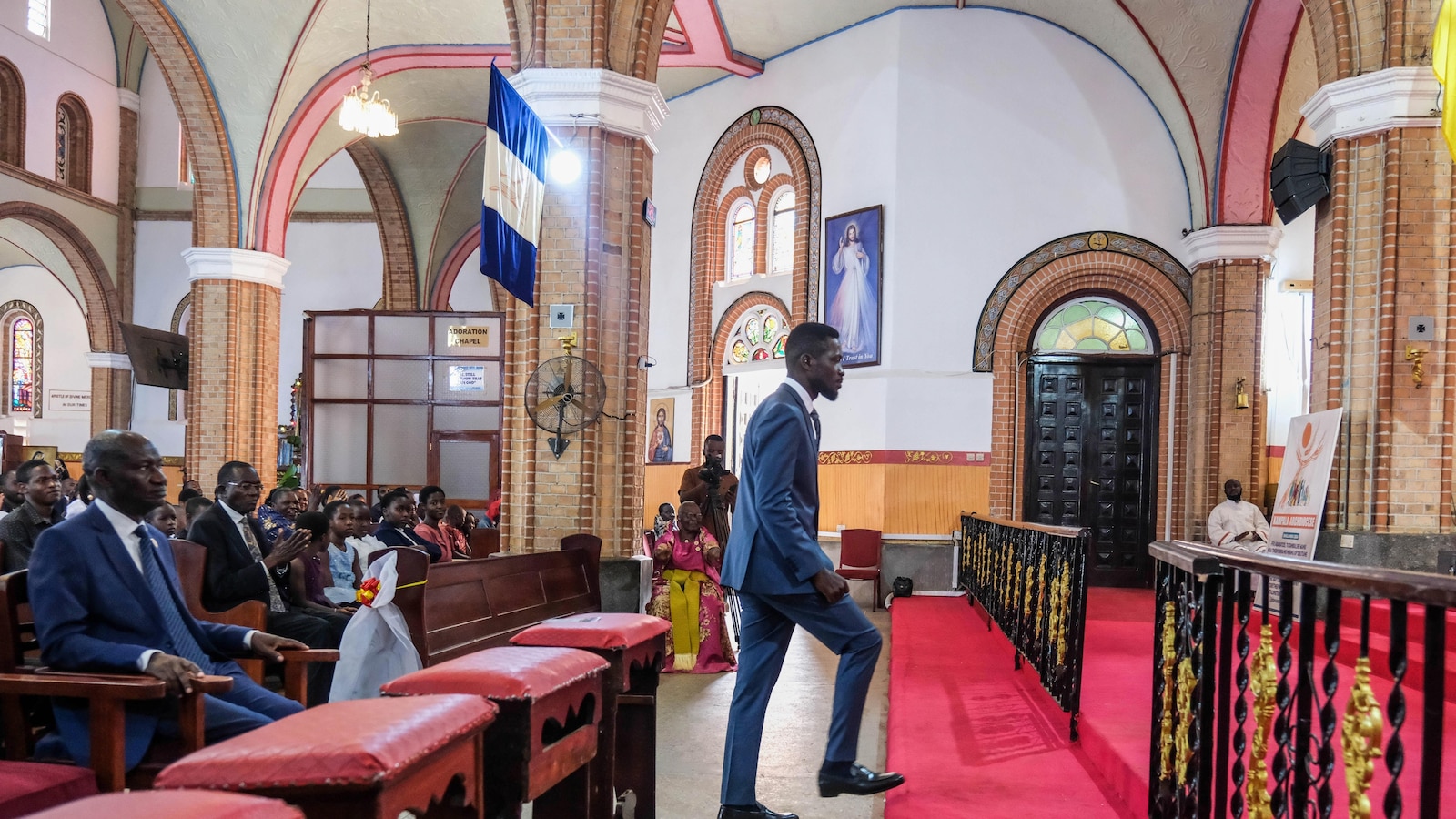
President Yoweri Museveni, who has ruled Uganda since 1986, is seeking a seventh term in elections on Jan. 15 amid repeated removal of constitutional restraints (including age limits) and heavy military and police involvement. Opposition leader Bobi Wine reports sustained repression — tear gas, beatings, arrests and at least three supporter deaths — while rights groups decry a ‘‘brutal campaign of repression’’ and critics warn of hereditary succession as Museveni’s son, Gen. Muhoozi Kainerugaba, consolidates security influence. The situation raises elevated political-risk and governance concerns for Uganda, increasing sovereign and country-risk premia and creating a risk-off environment for investors with exposure to Ugandan assets or regional emerging-market allocations.
Market structure: Political violence in Uganda raises sovereign-risk premia for frontier Africa and concentrates downside on local banks, telecoms and consumer names while raising demand for USD liquidity. Expect short-term UGX pressure (5–15% move if unrest escalates) and 50–200bps widening in Uganda sovereign spreads versus pre-election levels within 0–3 months, compressing local credit availability and import capacity.
Risk assessment: Tail scenarios include a contested result or crackdown that triggers sanctions/aid suspension (low-probability, high-impact) causing >300bps widening in sovereign CDS and a sharp FX gap. Near term (days–weeks) volatility spike; medium term (3–12 months) risk of sustained rating pressure and capex delays for oil/Lake Albert projects; long term (years) elevated political-risk premium depressing investment inflows.
Trade implications: Positioning should favor hedges and relative-value avoidance of frontier-specific exposure while selectively rotating into high-quality EM sovereigns and safe-haven duration. Expect increased options implied vol for Africa/EM ETFs and regional banks; use put spreads to limit premium outlay and CDS for concentrated sovereign exposure—targets: protect for 3–12 months, size 1–3% of AUM.
Contrarian angles: Consensus may over-penalize all African assets; mispricings will appear in diversified EM vs Africa-fringe dispersion. If unrest is contained post-election (45–60 day window), expect a snapback: AFK/selected frontier equities could recover 15–30% from oversold levels, creating mean-reversion entry points for nimble risk-seeking allocation.
AI-powered research, real-time alerts, and portfolio analytics for institutional investors.
Request DemoOverall Sentiment
strongly negative
Sentiment Score
-0.60
