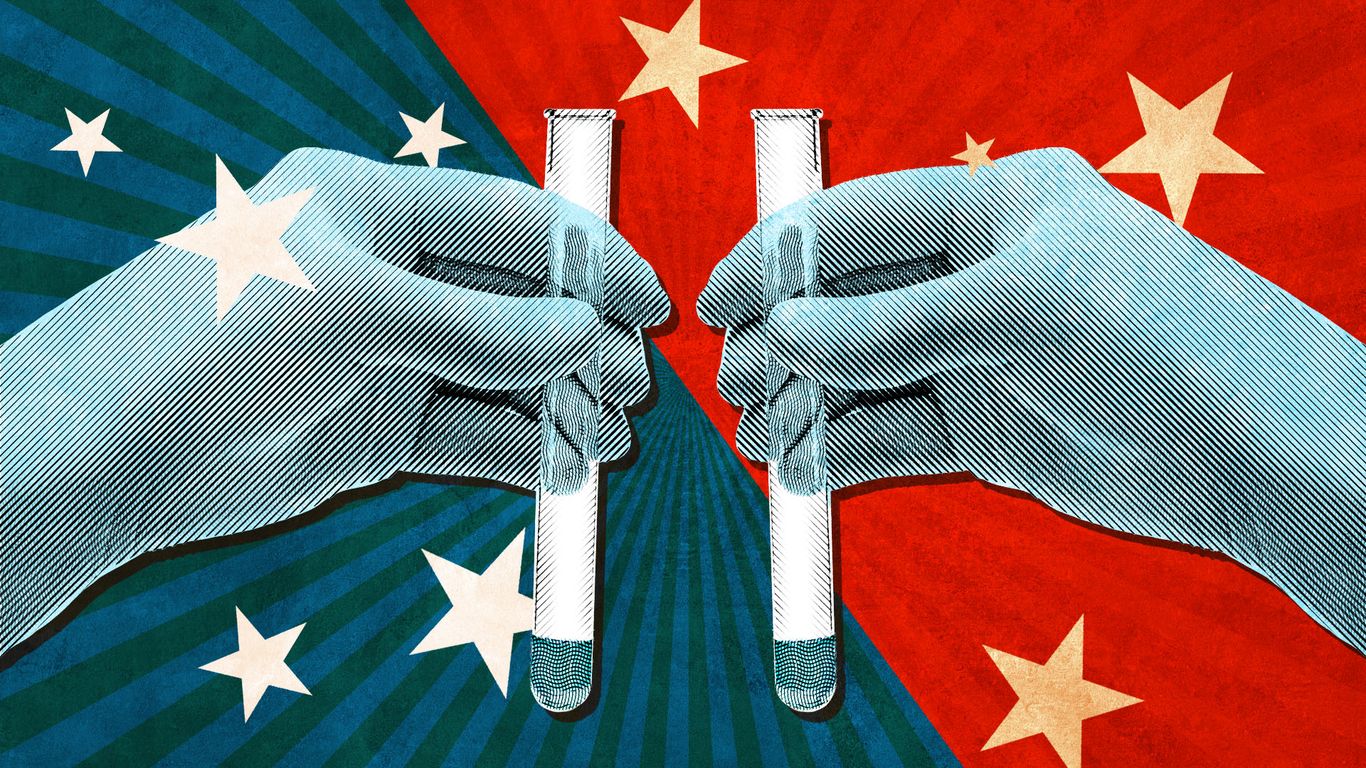
China's biopharmaceutical sector is rapidly emerging as a global leader, evidenced by a projected nearly 40% share of all licensing deals for Chinese-sourced drug candidates this year, a substantial increase from under 3% five years ago, and over $150 billion committed by major pharma companies to Chinese assets in the last five years. This ascent coincides with a perceived U.S. retreat in federal biomedical research funding, raising concerns about its long-term competitive standing and potential for an exodus of research talent. The shift carries significant implications for drug manufacturers facing upcoming patent expirations, potentially accelerating a reliance on less expensive Chinese innovation, even as the U.S. Congress considers legislation like the Biosecure Act to restrict Chinese biotech participation in government-funded research.
A significant structural shift is underway in the global biopharmaceutical landscape, with China rapidly ascending as a hub for drug innovation. This is quantitatively supported by the fact that China-sourced drug candidates are projected to constitute nearly 40% of all licensing deals this year, a dramatic increase from less than 3% just five years ago. Major pharmaceutical companies are actively participating in this trend, with firms like AstraZeneca, Bristol Myers Squibb, and Eli Lilly committing over $150 billion to license Chinese assets in the last five years. GSK notably has approximately 10% of its pipeline sourced from Asia, indicating a deep strategic integration. This eastward pivot by Western pharma coincides with a contraction in U.S. federal support for biomedical research, highlighted by proposed 40% budget cuts to the NIH and the termination of specific vaccine development funds. This divergence raises material concerns about the long-term competitiveness of the U.S. biotech sector and a potential exodus of research talent. The situation is further complicated by potential U.S. legislative actions, such as the Biosecure Act, which could restrict collaborations with certain Chinese entities. For drug manufacturers facing a wave of patent expirations, China's ability to deliver novel products faster and more affordably presents a critical, albeit geopolitically sensitive, strategic opportunity.
AI-powered research, real-time alerts, and portfolio analytics for institutional investors.
Overall Sentiment
moderately negative
Sentiment Score
-0.50
Ticker Sentiment
