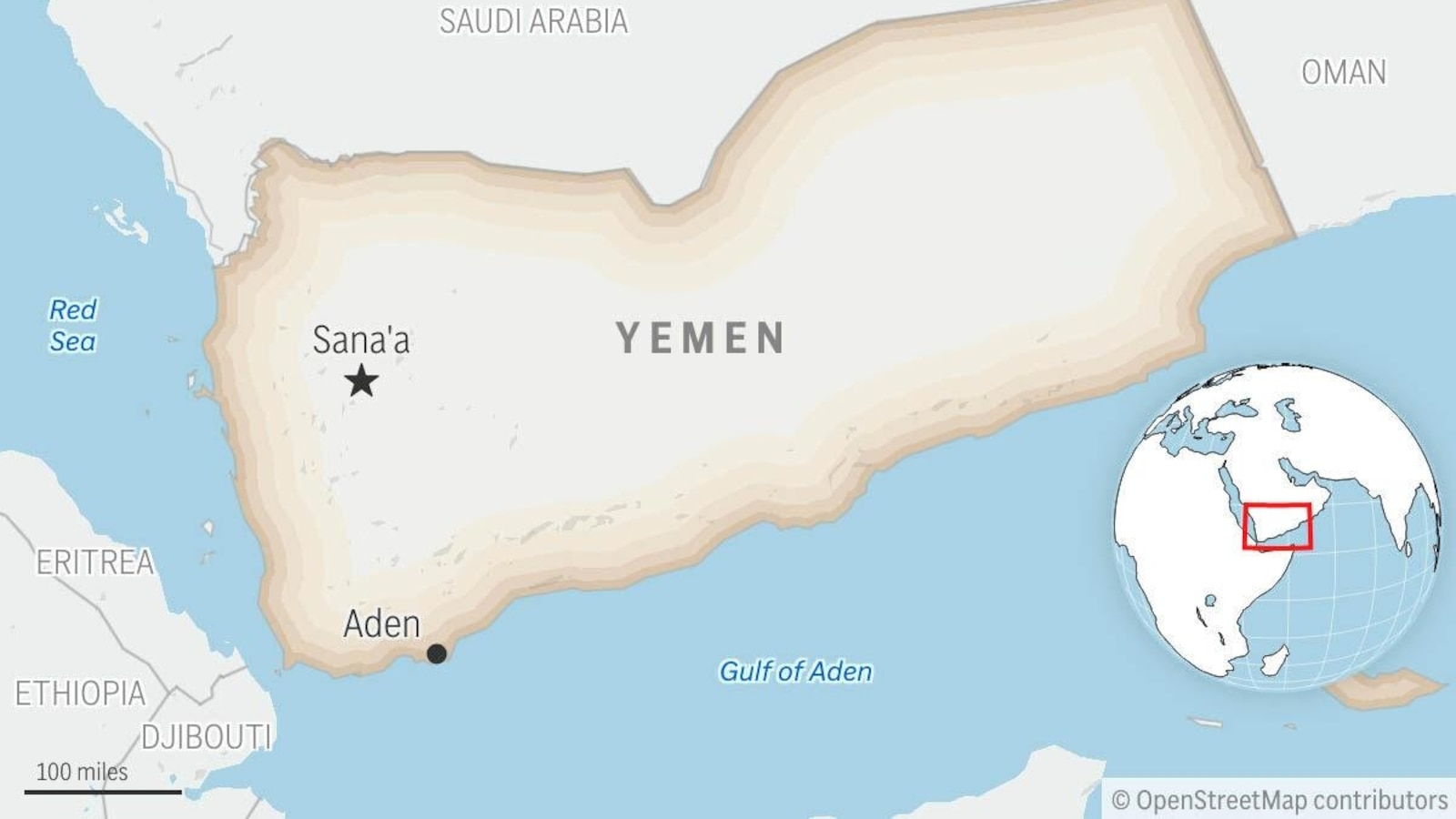
Saudi forces conducted air strikes on the port city of al-Mukalla in Yemen after two ships from the UAE port of Fujairah reportedly unloaded weapons and combat vehicles destined for the UAE-backed Southern Transitional Council. The operation marks a notable escalation in tensions between Riyadh and Abu Dhabi and raises the risk of further deterioration in Gulf intra-coalition relations, with potential knock-on effects for regional stability and investor risk premia. Hedge funds should monitor diplomatic fallout, any retaliatory actions in Yemen, and related regional security indicators that could affect asset prices and risk sentiment in Gulf-linked markets.
Market structure: Near-term winners are defense primes (Lockheed Martin LMT, Raytheon RTX, Northrop NOC) and marine war-risk insurers/reinsurers who gain pricing power as insurers reclassify Gulf of Aden routes; oil producers (XOM, CVX) may capture a modest risk premium. Losers: Gulf logistics operators, regional airlines and frontline ports in Yemen/UAE with potential revenue declines; container/freight rates could spike if rerouting adds 2–7 days and 5–15% in fuel cost per voyage. Cross-asset: expect safe-haven bid (USTs, gold) immediately, modest oil +$1–$3/bbl on headline escalation, and AED/SAR volatility if diplomatic rift widens.
Risk assessment: Tail risks include Houthi attacks on commercial tankers or a Saudi–UAE diplomatic rupture that forces OPEC+ output coordination breakdown; low-probability but high-impact moves could add $3–$7/bbl and widen GCC sovereign spreads by 25–75bps. Immediate (days) — volatility spikes in oil, insurance, FX; short-term (weeks–months) — repricing of regional credit and higher shipping premiums; long-term — sustained rerouting elevates logistics costs and global freight indices. Hidden dependencies: sovereign wealth fund co-investments and loan syndications between Riyadh and Abu Dhabi are transmission channels for market stress.
Trade implications: Implement tactical commodity and defense exposure: buy convexity into oil via short-dated Brent call spreads and add 1–3% equity exposure to LMT/RTX for a 3-month horizon; hedge EM/GCC credit with duration and USD bids (short EUR/EMFX). Use options to cap downside — e.g., 3-month call spreads on Brent and covered calls on defense names to monetize elevated volatility.
Contrarian angles: Consensus treats this as contained; history (Red Sea attacks 2016–20) shows insurance/freight spikes can persist for months even without oil supply loss — market may underprice protracted higher freight/insurance costs. If Saudi–UAE tensions cool within 30 days, defense and oil vol trades will be overbought; conversely a Houthi escalation is an underpriced asymmetric upside for oil/defense.
AI-powered research, real-time alerts, and portfolio analytics for institutional investors.
Request DemoOverall Sentiment
moderately negative
Sentiment Score
-0.50
