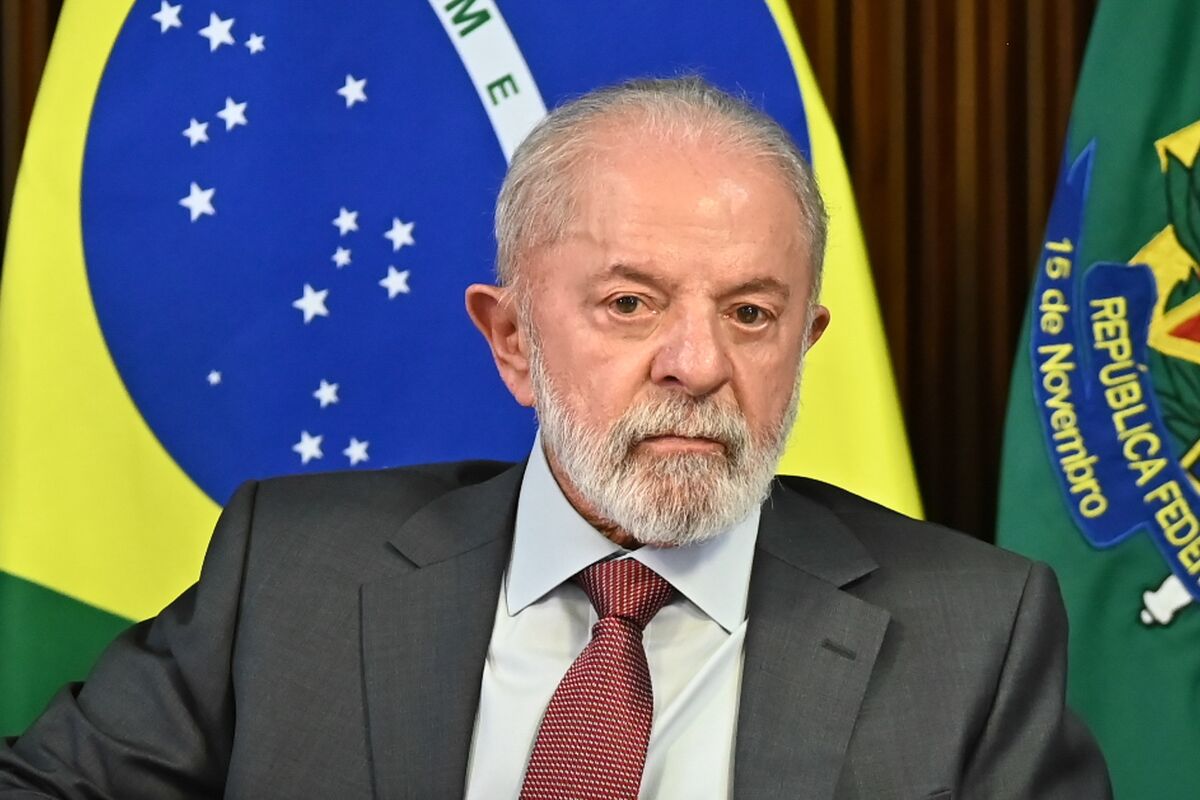
Brazilian President Luiz Inacio Lula da Silva affirmed the nation's sovereignty, stating Brazil will not accept foreign interference and criticizing domestic politicians for inviting external 'attacks.' This declaration, made on the eve of Independence Day, signals a firm commitment to independent governance and could influence future foreign investment policies and international relations, emphasizing domestic control over economic and political direction.
President Luiz Inacio Lula da Silva's speech on the eve of Brazil's Independence Day reaffirms a strong nationalist and sovereign stance, explicitly stating the country "will not accept orders from anyone." This declaration, classified with a defensive tone, serves a dual purpose: it projects an image of national autonomy on the international stage and criticizes domestic political opponents for allegedly encouraging foreign interference. While the rhetoric is firm, the associated market data indicates a negligible immediate impact, with a sentiment score of 0.0 and a market impact score of just 0.1. This suggests that investors currently view this as political posturing consistent with Lula's platform, rather than a precursor to substantive policy shifts that would alter the investment climate. The key takeaway is the reinforcement of geopolitical and domestic political themes, signaling a commitment to independent governance that could influence the long-term direction of foreign and economic policy, even if it does not present an immediate market-moving catalyst.
AI-powered research, real-time alerts, and portfolio analytics for institutional investors.
Request DemoOverall Sentiment
neutral
Sentiment Score
0.00
