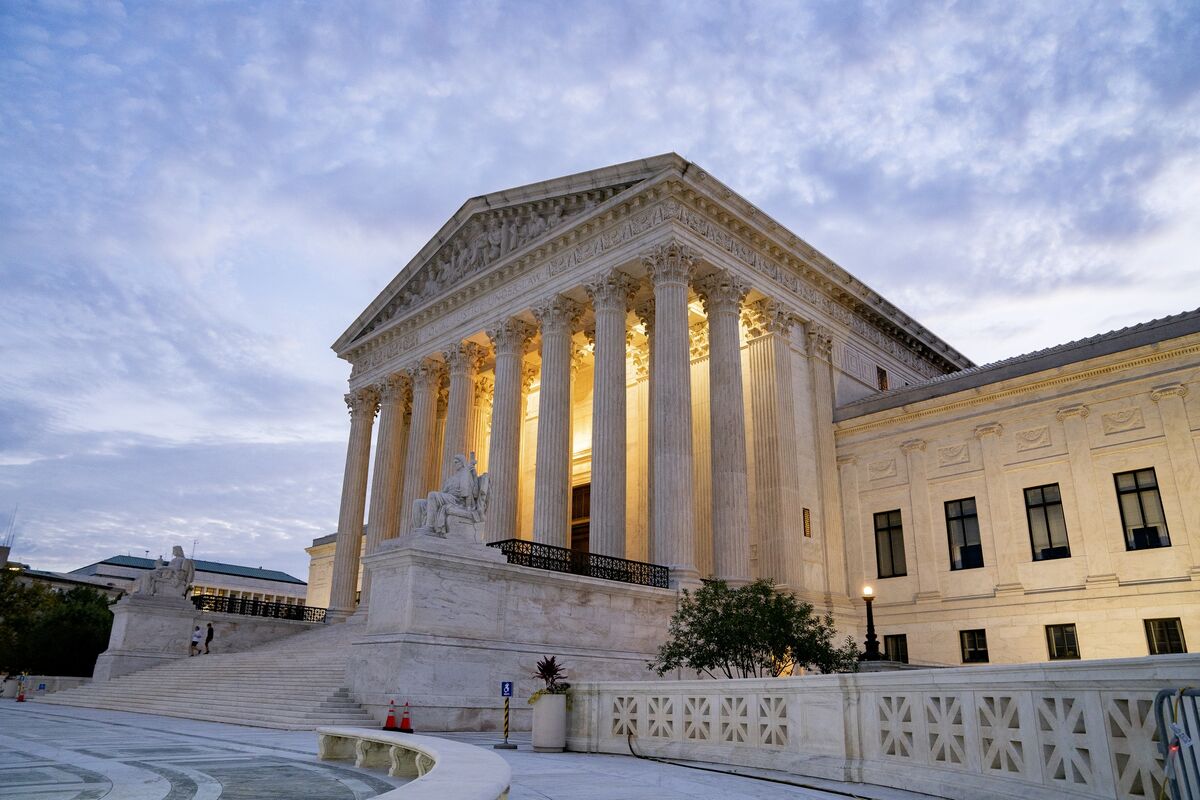
The Supreme Court has declined to hear a challenge to a California law banning high-capacity gun magazines, leaving the ban in place; this decision maintains the status quo in California and signals the court's current reluctance to broadly expand gun rights, despite its recent emphasis on the Second Amendment in other cases. The move avoids a potential circuit split, as other jurisdictions have ruled differently on similar laws, and its impact is primarily contained within California's existing legal framework.
The Supreme Court's decision to decline hearing the challenge to California's ban on high-capacity gun magazines effectively upholds the existing state law, thereby maintaining the current regulatory landscape for these items within California. This action indicates a degree of judicial caution in broadly expanding gun rights through this specific case, particularly when viewed against the Court's recent affirmations of Second Amendment rights in other contexts. By not taking up the appeal, the Court also avoids creating or resolving a potential circuit split that could arise from contradictory rulings on similar state-level firearm regulations. Consequently, the direct impact of this decision is largely localized to California, reinforcing its established legal framework without precipitating immediate, widespread changes to federal gun control jurisprudence or signaling a definitive shift in the Court's broader stance on the Second Amendment.
AI-powered research, real-time alerts, and portfolio analytics for institutional investors.
Request DemoOverall Sentiment
neutral
Sentiment Score
0.00
