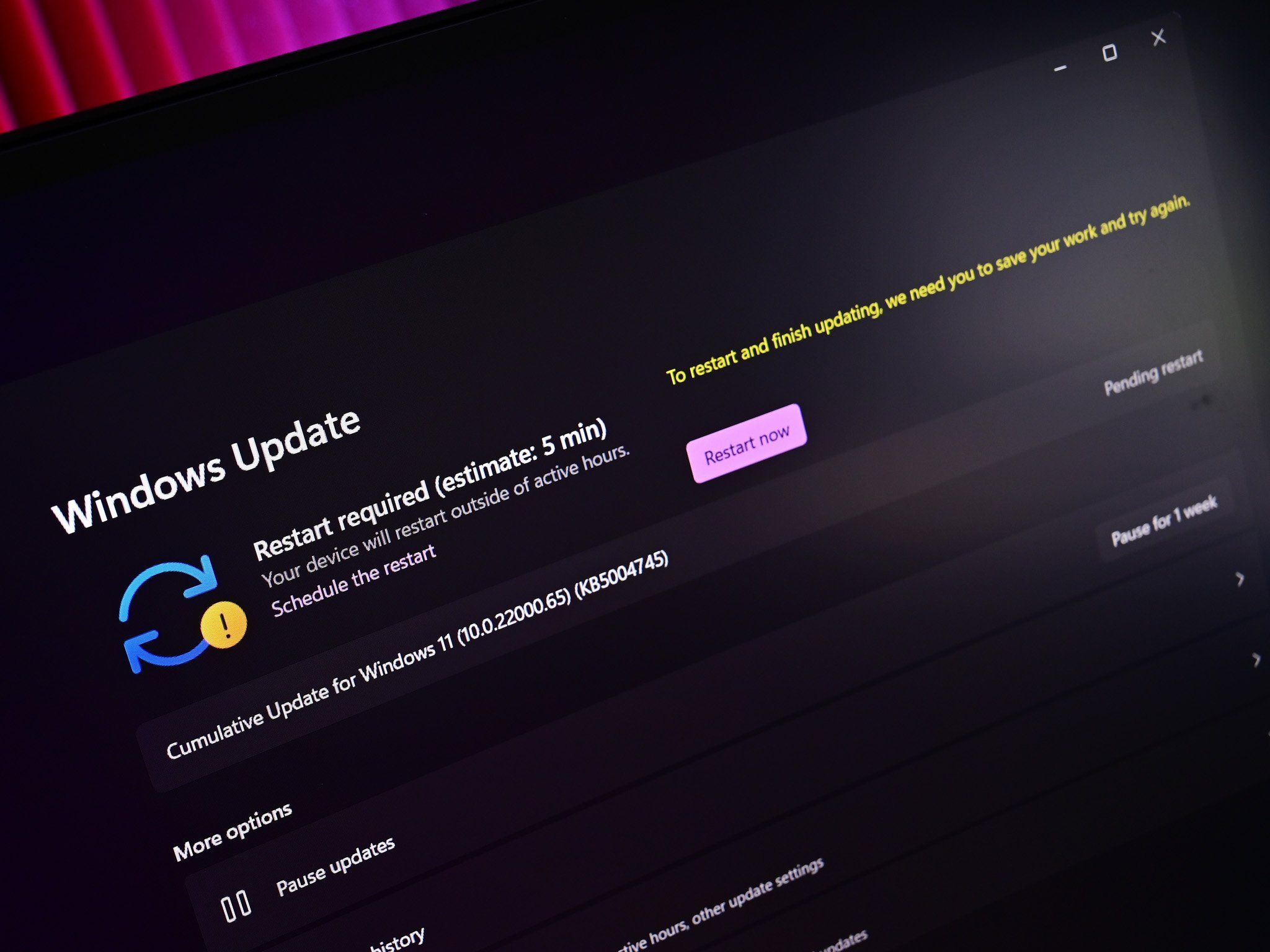
Microsoft has begun testing the 26300 series Windows 11 builds in the Insider Dev Channel, based on the in-market platform release codenamed Germanium, and says these builds will include unspecified behind-the-scenes platform changes expected to ship later this year—likely as 26H2 in the fall. The company also plans a separate 26H1 release for next‑gen Arm devices based on a newer platform codename Bromine; the staggered platform timeline could complicate rollout and stability expectations but carries limited near‑term market impact.
Market structure: Microsoft (MSFT) remains the primary beneficiary — successful behind-the-scenes platform fixes can reduce enterprise upgrade friction, lowering total cost of ownership and preserving Windows’ pricing power versus alternatives. OEMs (DELL, HPQ) and x86 CPU vendors (INTC, AMD) face ambiguous effects: if platform fragmentation delays PC refresh cycles, OEM revenues could slip by low-single-digit percent in the next 2-4 quarters. Suppliers for Windows-on-Arm (QCOM) are potential upside if Bromine drives device designs, but adoption timing likely late-2025 to 2026.
Risk assessment: Immediate market reaction is likely muted (+/-1–3% for MSFT in days) while testing/telemetry over weeks will drive sentiment; a catastrophic 26H2 bug is a low-probability tail risk that could erase multiple percent from MSFT and trigger enterprise litigation/patch costs. Hidden dependencies include OEM driver readiness, Intel/AMD cooperation, and Intune/endpoint management compatibility — failures here could push corporate upgrade cycles out by 6–12 months. Catalysts: Insider feedback windows (next 30–90 days), OEM PC order guides (quarterly), and MSFT’s Ignite/Build commentary.
Trade implications: Favor modest, asymmetric exposure to MSFT (long equity or calendar call spreads) targeting H2 2026 feature rollout; selectively long QCOM vs short INTC/AMD only if Windows-on-Arm wins visible design wins by mid-2025. Use options to monetize low expected near-term volatility: sell near-term calls around non-event dates, buy 6–12 month call spreads on MSFT to capture platform improvement narrative with capped risk.
Contrarian angle: Consensus underestimates friction cost of dual platform lines (Germanium vs Bromine); market may underprice OEM downside from delayed refresh cycles while overpricing immediate uplift to MSFT. Historical parallels: prior buggy Windows releases compressed OEM order books for 2–4 quarters. Unintended consequence: clearer platform cadence could accelerate enterprise consolidation to cloud-managed endpoints, benefiting Azure services in medium term (12–24 months).
AI-powered research, real-time alerts, and portfolio analytics for institutional investors.
Request DemoOverall Sentiment
neutral
Sentiment Score
0.05
Ticker Sentiment
