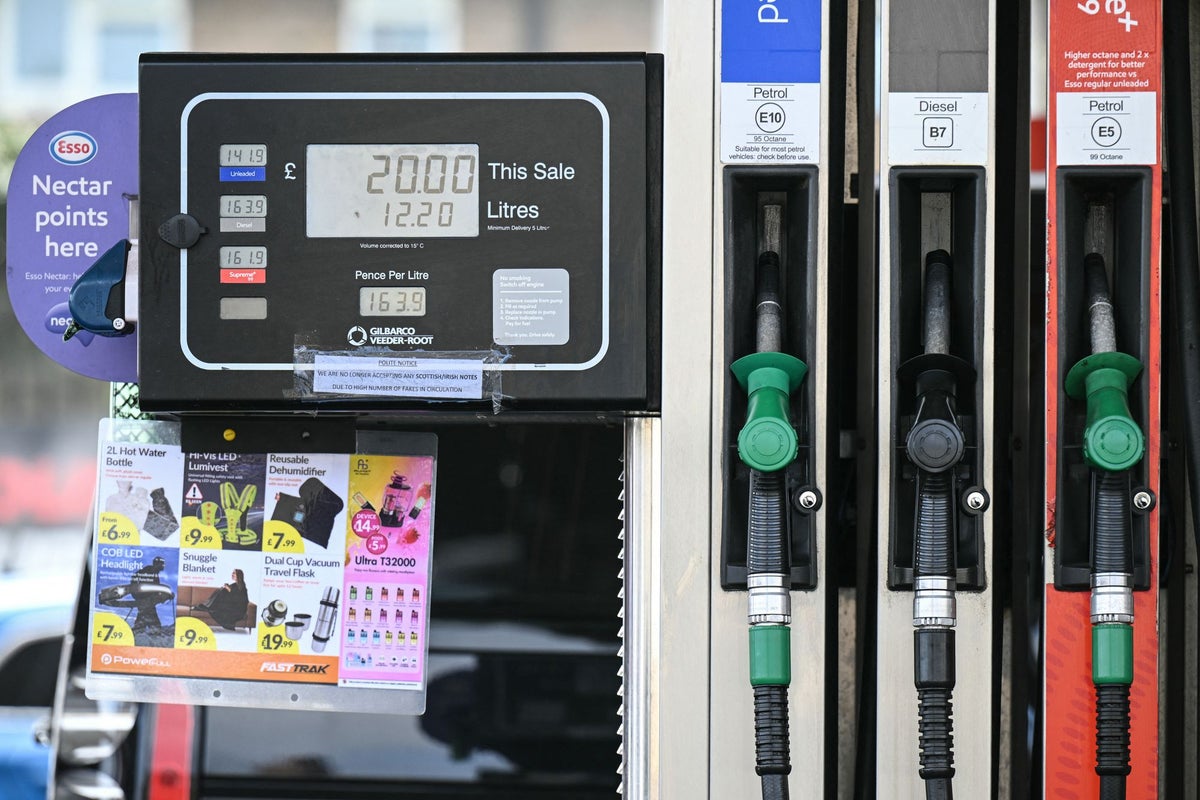
Diesel at UK forecourts reached a 23-year high of 179.9p/litre, 28.5p above petrol (151.4p), as oil jumped more than 3% to $117/bl after Iran took control of the Strait of Hormuz. Spending on fuel rose 11% in the week after the conflict began and retailers warned of possible temporary pump shortages, though ministers say rationing is unnecessary. Expect continued upward pressure on fuel-related inflation and volatility across energy and consumer-facing sectors for months.
The immediate market dynamic is not crude per se but middle distillates — a shallow pool of refineries with the conversion capacity to make diesel means price moves amplify quickly and persist. Refiners with deep hydrocracking/coking capacity can reallocate yields to capture outsized diesel cracks within weeks, but adding sustained capacity is a multi-quarter to multi-year story, so margins can remain elevated for months rather than days.
Second-order transmission is via freight and logistics: higher product prices raise bunker and MR product tanker rates, extend voyage times through avoidance/longer routing, and push up short-haul road freight costs that are stickier because of long-term contracts and fixed labor inputs. That squeezes retail margins (grocers, quick-service restaurants) and raises CPI pass-through risk concentrated in food/transport components over the next 1–3 quarters.
Catalysts that would unwind the move are concrete and limited: a coordinated distillate release (targeted SPR-style), a rapid improvement in insurance/escorting that restores shortest transit routes, or a material fall in crude that compresses cracks; each would likely manifest within 2–12 weeks. Tail risks include escalation that expands to chokepoint closures or a cold Northern Hemisphere winter boosting heating oil demand, which could extend tightness into 6–9 months.
For portfolio construction, prioritize convexity: exposure to diesel cracks and product tanker rates with explicit stop levels, avoid pure long-crude bets that don’t capture refining margin upside, and hedge headline inflation leg via short-dated options. Monitor diesel crack >$18/bbl (sustained 2+ weeks) and MR product tanker time-charter dayrates doubling from current levels as operational trade triggers.
AI-powered research, real-time alerts, and portfolio analytics for institutional investors.
Request DemoOverall Sentiment
mildly negative
Sentiment Score
-0.35
