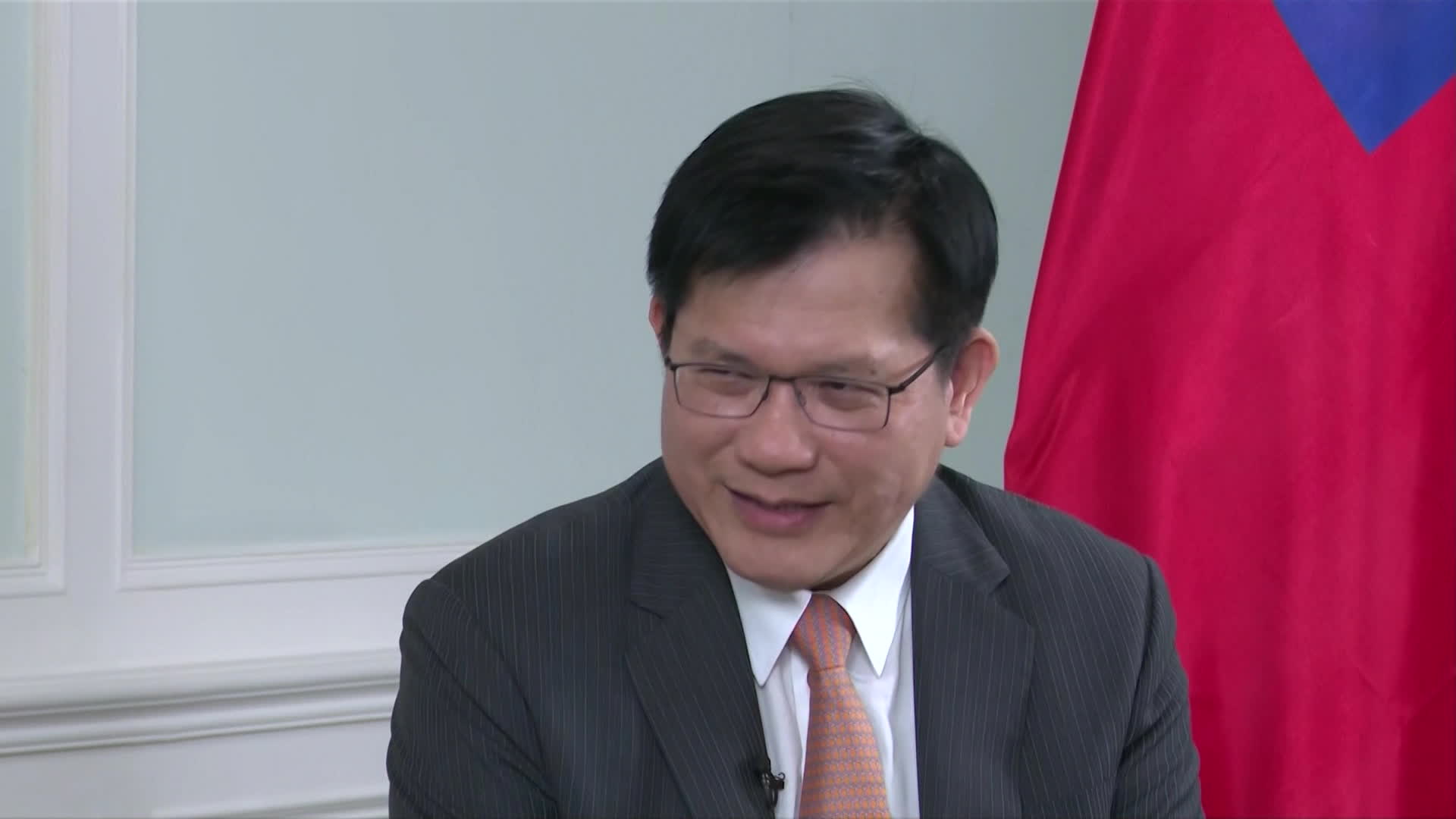
Taipei reports active communication with Tokyo and coordination with the United States as Taiwan-related tensions are framed as a Japan–U.S. security contingency; Taipei is deliberately downplaying rhetoric to avoid escalation. President Lai has signaled strengthened self-defense through higher defense spending, extended mandatory service and asymmetric warfare measures, while Tokyo signals greater willingness to shoulder regional security burdens. The piece highlights elevated geopolitical risk in the Indo‑Pacific that could sustain higher defense spending and influence regional trade and investor positioning, though stakeholders are attempting to manage and cool nationalist escalation.
Market structure: Near-term winners are defense primes (LMT, NOC, GD) and defense-focused Japanese suppliers; semicap equipment (ASML, LRCX) and TSMC benefit from onshoring/resilience demand. Losers: China-exposed consumer discretionary, tourism and regional airlines and Taiwan-facing travel stocks; Taiwan/TWD FX are vulnerable to shocks. Increased Japan-US burden-sharing implies multi-year defense procurement (2–5 year tailwind) that reallocates fiscal impulse into aerospace, shipbuilding and semiconductor resilience.
Risk assessment: Tail risks include a blockade or kinetic escalation that would cause >30% revenue disruption for Taiwan-headquartered chip foundries and a 10–30% shock to global semiconductor supply within 3–6 months. Immediate (days) risk-off will push JPY stronger and US Treasuries yields lower; short-term (weeks–months) could see 5–15% EM Asia equity underperformance; long-term (years) supports sustained defense capex and reshoring. Hidden dependency: global cloud and auto supply chains are highly concentrated in TSMC/ASML — sanctions or closures are the biggest single supply shock risk.
Trade implications: Tactical: establish 2–4% long positions in LMT/NOC/GD and 1–2% in ASML/TSM as 12–24 month core holds; hedge with 3–6 month JPY longs (buy USDJPY puts sized to 0.5–1% NAV) and 3–6 month longs in TLT or BND for risk-off. Relative-value: long EWJ (Japan defense beneficiaries) vs short FXI/KWEB (China consumer exporters) sized 1–2% each; use 3–6 month call spreads on LMT to cap cost and 1–3 month strangles on EWT to monetize elevated volatility. Entry: deploy in 0–4 week tranches; add on 5–10% drawdowns.
Contrarian angles: Consensus underestimates multi-year fiscal reallocation to defense from Japan (>=+10% real budget growth over 2 years) which would structurally lift suppliers; the market may be overpricing instantaneous escalation — Beijing has incentives to avoid prolonged economic pain, so a deep panic sell-off would be an entry. Historical parallel: 2014 Crimea saw defense names outperform for 2–4 years; unintended consequence: accelerated onshoring raises long-term pricing power for ASML/TSMC but could trigger trade-policy frictions that temporarily hit global industrial cyclicals.
AI-powered research, real-time alerts, and portfolio analytics for institutional investors.
Request DemoOverall Sentiment
mildly negative
Sentiment Score
-0.25
