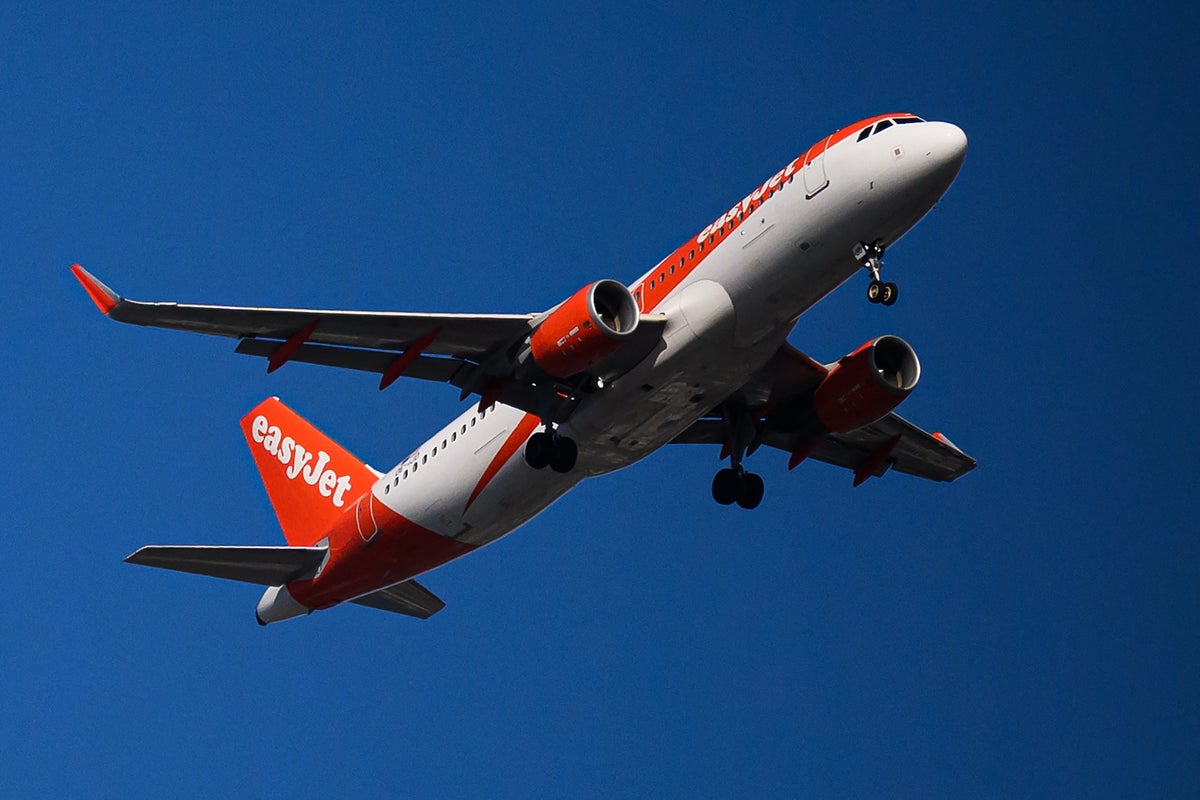
Jet fuel prices have surged from roughly $85-$90 per barrel to $150-$200, forcing airlines to cut capacity, cancel flights, and raise fees across multiple regions. Carriers including Delta, United, Air France-KLM, SAS, KLM, and others are hiking baggage fees, fuel surcharges, and fares, while several have withdrawn or suspended profit guidance amid the volatility. The article also warns Europe may have only about six weeks of jet fuel supply left if Strait of Hormuz disruptions persist, making this a broad market and travel-sector shock.
The first-order trade is obvious: fuel is compressing airline margins almost immediately, but the more interesting second-order effect is capacity discipline. Carriers that can opportunistically trim loss-making routes and reprice ancillaries will preserve cash better than those still chasing load factor; that should widen dispersion between network carriers with pricing power and structurally weak low-cost operators over the next 1-2 quarters. The groups most exposed are the ones with limited hedge coverage and heavier short-haul competitive intensity, where fare resets lag fuel by weeks, not months. The market is likely underestimating how quickly this becomes a balance-sheet story, not just an earnings story. A sustained fuel shock pushes airlines toward working-capital strain, tighter covenants, and deferred capex/buybacks before it shows up in headline EPS; that raises the probability of equity dilution or asset sales for weaker names if crude stays elevated into summer. Ancillary fee hikes will help, but they are regressive demand taxes and typically cap out before they offset a step-change in fuel, so the revenue side provides only partial protection. The contrarian read is that the selloff may be too broad if fuel hedges and network rationalization are stronger than the market assumes. In particular, carriers with transatlantic business mix and premium cabins can pass through more of the shock than domestic leisure-heavy peers, and higher fares may be absorbed better than consensus expects in a still-tight travel demand environment. The real tell over the next few weeks is not ticket volumes but whether management teams start withdrawing full-year guidance and cutting capacity beyond the current quarter; that would signal the problem is becoming structural rather than transitory.
AI-powered research, real-time alerts, and portfolio analytics for institutional investors.
Overall Sentiment
strongly negative
Sentiment Score
-0.78
Ticker Sentiment
