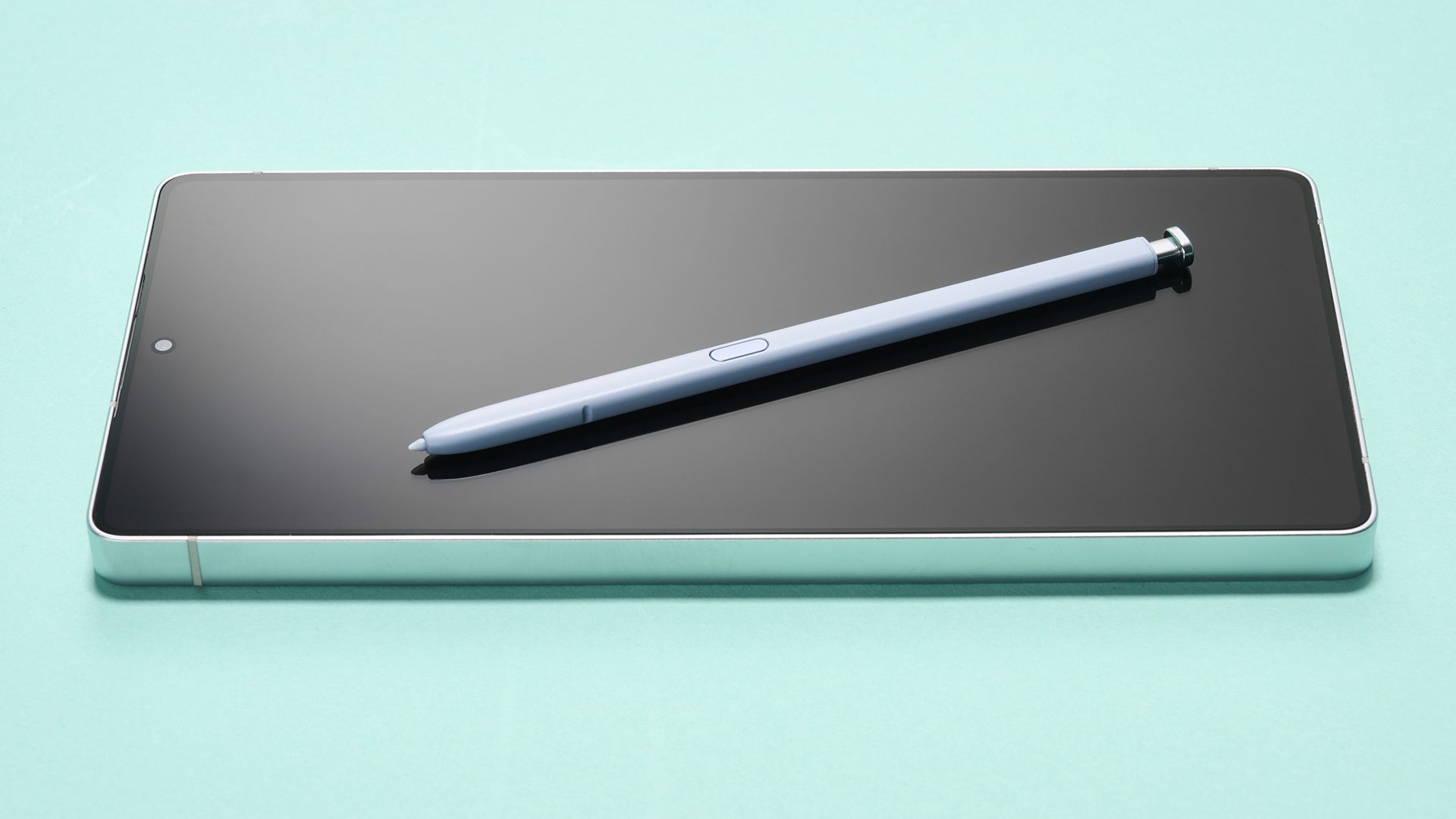
Samsung has confirmed a new privacy display—an integrated hardware and software layer that enables on-demand off-axis dimming to block shoulder-surfing—will arrive on upcoming Galaxy devices, effectively signaling the feature for the Galaxy S26 line ahead of a likely Galaxy Unpacked event in late February. Toggleable by users and applicable to specific apps and notifications, the feature (which Samsung says took five years to develop) strengthens Samsung's consumer-privacy positioning but is unlikely to materially affect near-term financials or drive significant immediate share-price movement.
Market structure: Samsung Electronics (005930.KS / ADR SSNLF) and its display suppliers (e.g., LG Display 034220.KS, possibly Samsung Display) are the primary beneficiaries — expect a 2–4% ASP uplift on flagship SKUs if privacy display is marketed as a premium differentiator, supporting a short-term revenue re-rating. Incumbent Android OEMs without in-house display capabilities and makers of physical privacy filters (small non-listed vendors) are potential losers as hardware-level privacy reduces accessory demand.
Risk assessment: Tail risks include patent litigation, poor yield leading to constrained supply, or a software/UX flaw that triggers returns — any of which could erase a launch pop; probability ~5–10% but with >20% downside to suppliers. Timeline: immediate noise around Galaxy Unpacked (24–25 Feb), short-term preorder/sell-through signal in 0–3 months, structural share shifts only visible over 3–12 months once app/notification integrations mature.
Trade implications: Buy-side opportunities are concentrated: Samsung and its panel suppliers should see asymmetric upside into and shortly after Unpacked; implied vol for these names will compress on good news, making directional options hedges attractive. Cross-asset: modest KRW appreciation vs USD if Samsung outperforms; corporate credit spreads for Korean tech could tighten 5–15bp on stronger guidance.
Contrarian angles: Consensus may overstate stickiness — hardware privacy can be replicated in 6–12 months and could be perceived as gimmicky, capping long-term ASP gains; history (in-display fingerprint, curved screens) shows initial premium then rapid commoditization. Monitor first 30–60 day sell-through and return rates; if sell-through <60% of channel inventory in that window, downside risk is underpriced.
AI-powered research, real-time alerts, and portfolio analytics for institutional investors.
Request DemoOverall Sentiment
mildly positive
Sentiment Score
0.32
