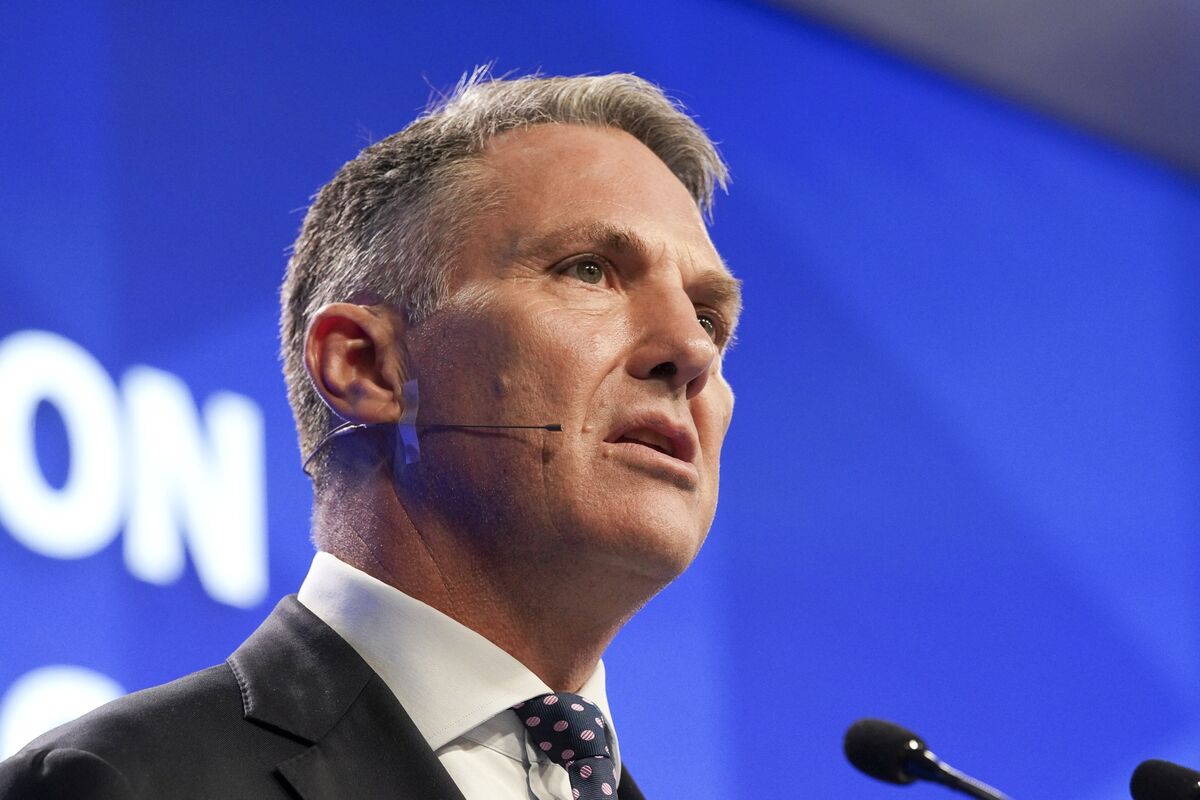
Australia's Deputy Prime Minister Richard Marles stated the country will determine its defense spending based on its own national interests, despite calls from former U.S. President Donald Trump for Indo-Pacific allies to increase their military budgets. Marles, who is also Australia's defense minister, will be attending NATO meetings in the Hague this week, where defense spending discussions are anticipated.
Australia is signaling a commitment to a sovereign and needs-based defense spending policy, a stance articulated by Deputy Prime Minister and Defense Minister Richard Marles. This statement, made ahead of NATO meetings and in the context of calls from former U.S. President Donald Trump for allies to increase military budgets, reaffirms Australia's independent strategic posture. While the news carries a neutral sentiment and a very low market impact score of 0.1, it is a significant data point for the geopolitical and defense sectors. It suggests that future Australian defense expenditure will be tethered to specific national security assessments rather than potentially arbitrary external targets. This introduces a degree of unpredictability for defense contractors, as spending levels may not follow a simple upward trajectory but will instead be linked to evolving strategic priorities in the Indo-Pacific region.
AI-powered research, real-time alerts, and portfolio analytics for institutional investors.
Request DemoOverall Sentiment
neutral
Sentiment Score
0.00
