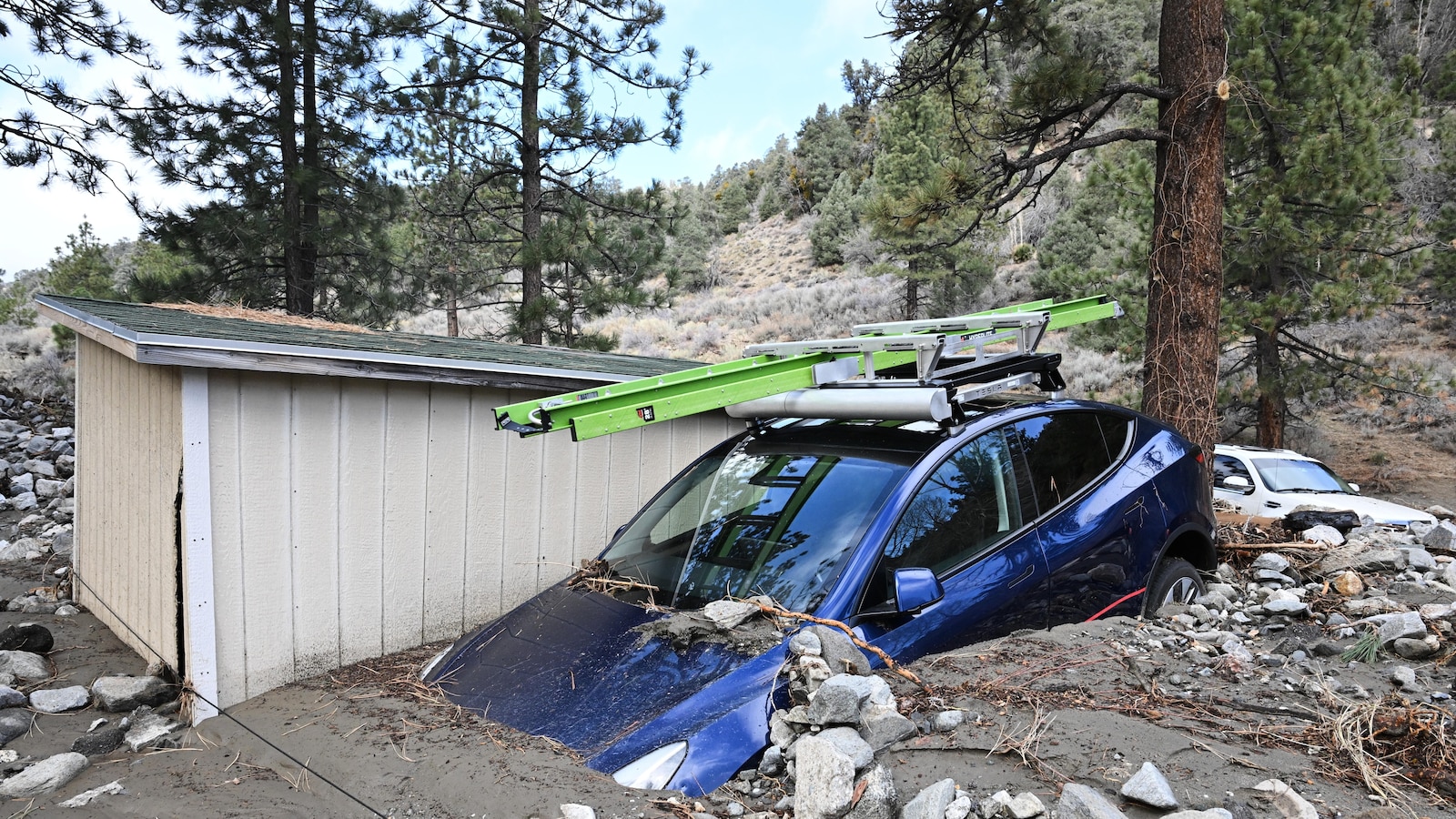
An intense atmospheric-river storm hit California, producing coastal waves up to 25 feet, 4–8 inches of rain in many areas versus the typical 0.5–1 inch this season, mudslides, avalanches and at least two weather-related deaths. Emergency declarations were issued in six counties, evacuations and road closures occurred (notably Wrightwood), and the state mobilized resources including the National Guard — developments likely to cause localized infrastructure strain, travel disruption during a peak week and near-term insurance and emergency-response costs.
MARKET STRUCTURE: Acute winners are building-materials suppliers (VMC, MLM), local contractors and generator/fuel suppliers as repair capex spikes; near-term losers include regional travel & leisure (MAR, HLT) and short-haul airlines (AAL, UAL) because of cancellations and port/airport disruptions. Insurers (ALL, TRV, PGR) and reinsurers (RGA) face elevated near-term loss activity; pricing power for reinsurers should increase into 2025 renewals if losses materialize. In cross-assets expect modest flight-to-quality into Treasuries (yields down ~5–15bps during storms), higher short-dated implied volatility in property & casualty names, and slight diesel/gasoline diesel spreads widening in California for 1–4 weeks.
RISK ASSESSMENT: Tail risks include a multi-billion-dollar insured-loss event (> $5–10bn) if atmospheric rivers persist or major infrastructure (ports, highways) is damaged, pressuring regional muni credits and CRE valuations exposed to coastal flood zones. Immediate window (days): operational disruptions and bookings; short-term (weeks–months): insurance claims and construction backlog; long-term (quarters–years): repricing of coastal property insurance and higher reinsurance rates at April 1 renewals. Hidden dependencies: mortgage/CMBS exposure to repetitive-loss ZIP codes and supply-chain knock-ons for West-coast imports. Catalysts: further atmospheric rivers, aggregate claims filings, state/federal aid announcements, and April reinsurance renewals.
TRADE IMPLICATIONS: Direct plays — tactically overweight VMC/MLM and HD/LOW (1–3% position each) for 3–9 month repair demand; hedge with 0.5–1% put protection. Relative-value: pair long VMC vs short AAL (expect materials outperformance by 10–20% over 3 months). Options: buy 3-month VMC call spreads (near ATM to +15% strikes) and buy 60–90 day put spreads on ALL or PGR (5–10% OTM) to hedge tail losses. Rotate +3–5% allocation out of travel & leisure into infrastructure/materials immediately; trim after 10–20% move.
CONTRARIAN ANGLES: Consensus underestimates speed of premium repricing — a >15% pullback in diversified insurers could become a buying opportunity post-loss recognition ahead of higher pricing into 2025 renewals. Historical parallels (2017/2018 wildfire/flood cycles) show building-materials outperform for 3–12 months while insurers retrench for 6–18 months; mispricing exists if markets price only a 1–2% hit instead of a >5% EPS drag. Unintended consequence: aggressive insurer rate increases could depress CA housing transactions and CRE values, amplifying muni credit stress over 6–24 months.
AI-powered research, real-time alerts, and portfolio analytics for institutional investors.
Request DemoOverall Sentiment
moderately negative
Sentiment Score
-0.30
