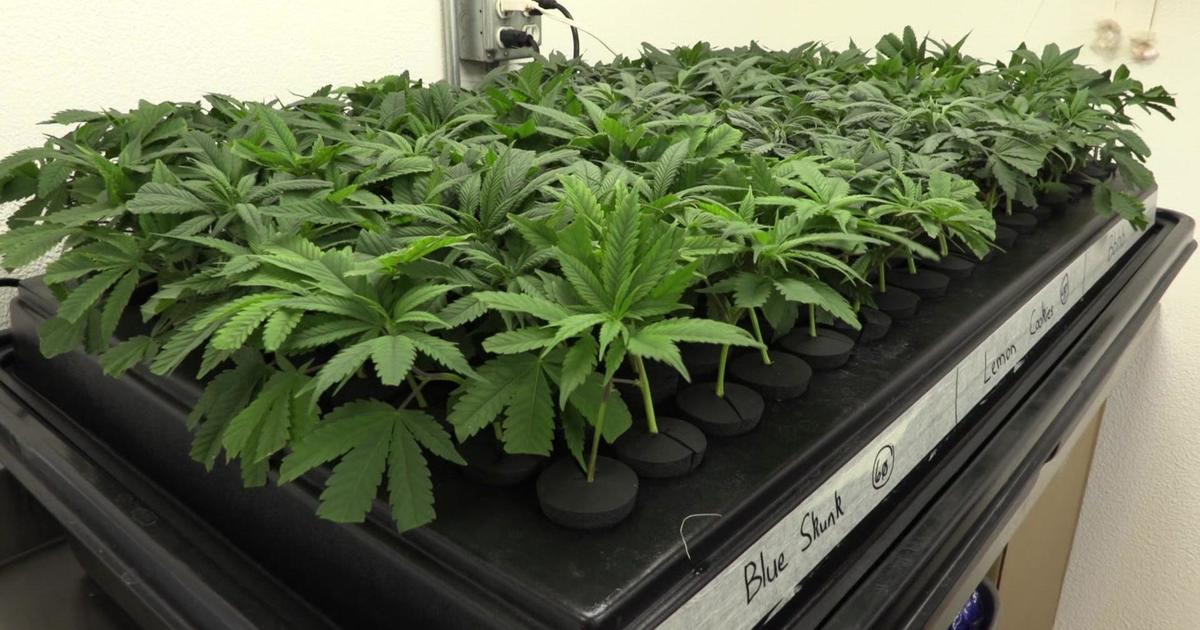
President Trump is reportedly weighing reclassifying marijuana from Schedule I to Schedule III, a significant federal policy shift that would formally acknowledge medical use and unlock research; the proposal follows Justice Department suggestions and is being actively considered at the White House. The most immediate market-level effect would be relief from IRS Code 280E—currently forcing many cannabis operators into effective tax rates cited as high as ~80%—which could materially improve margins, stabilize distressed businesses and attract capital, though banking and broader federal legal constraints would remain. However, rescheduling would not legalize cannabis and could introduce new FDA and pharmaceutical enforcement risks, push the sector toward costly pharma-grade compliance that favors large operators over small businesses, and create regulatory contradictions with hemp policies, meaning legislative fixes on banking, FDA pathways and enforcement are still needed for full industry normalization.
President Trump said the administration is weighing reclassifying marijuana from Schedule I to Schedule III, a move prompted by Justice Department suggestions in 2024 that would formally recognize cannabis as having accepted medical use. The White House comment confirms active consideration but the article stresses this change would not legalize cannabis federally, only remove the most restrictive Controlled Substances Act category.
The most immediate market consequence flagged by industry participants is relief from IRS Code 280E: operators currently facing effective tax rates cited as high as 80% could see materially improved margins and greater investor appetite. Supporters also expect expanded research and mainstream medical access, yet sentiment is mixed (sentiment_score 0.08) and the market_impact_score of 0.55 implies a moderate market reaction with sustained regulatory uncertainty.
Key risks include new federal enforcement exposure under the Food, Drug, and Cosmetic Act—selling prescription drugs without FDA approval, misbranding and related crimes could ensnare current operators—and an industry shift toward pharma‑grade quality and compliance that favors large, well‑capitalized firms while squeezing smaller businesses. Contradictions with forthcoming hemp THC restrictions and the absence of automatic banking, insurance, or FDA pathways mean legislative and regulatory follow‑through will determine whether rescheduling produces durable normalization.
AI-powered research, real-time alerts, and portfolio analytics for institutional investors.
Request DemoOverall Sentiment
mixed
Sentiment Score
0.08
