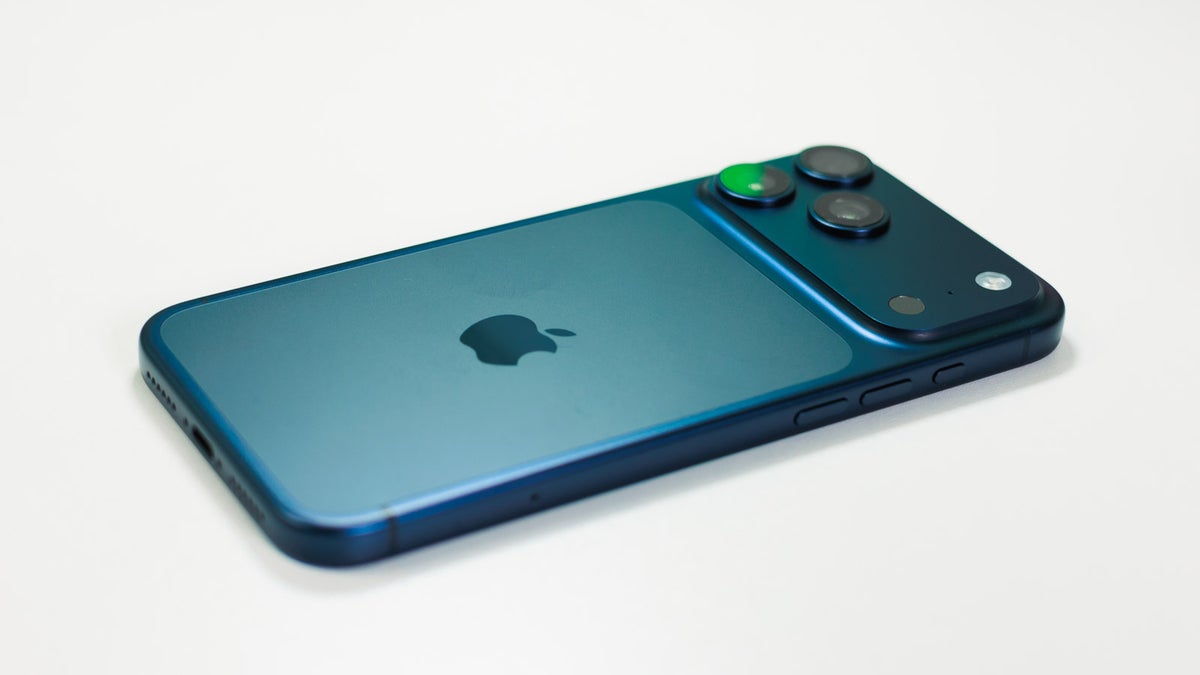
Apple's planned iPhone 18 Pro and iPhone 20 Pro display upgrades appear delayed or compromised: under-display Face ID is reportedly inaccurate and sluggish, and the iPhone 20 Pro display may still have edge distortion, lower brightness, or even a punch-hole camera. The company may use a compromised 2027 display for the iPhone 20 Pro, while a better version is now being targeted for 2028. The article points to weaker-than-hoped product differentiation, but the near-term market impact is likely limited.
The near-term implication is not that Apple loses the product cycle, but that the upgrade path gets less differentiated while costs and engineering complexity keep rising. When flagship design changes slip, the market usually underestimates the second-order effect: fewer reasons for replacement purchases, which can quietly stretch upgrade cycles by one to two quarters and pressure mix toward lower-margin models rather than expand unit growth. That matters more than the headline disappointment because the premium tier drives disproportionate profitability and ecosystem attachment. The supply chain read-through is mixed. If Apple is still requiring advanced display development for a 2028 successor, panel vendors keep a multiyear option alive, but the commercialization lag raises execution risk for the most exposed component suppliers and pushes capex returns further out. The bigger beneficiary may be Android OEMs with flexible industrial design cadence, because any perceived Apple stumble on “hero” features reduces the halo that lets Cupertino justify premium pricing across the stack. The market is likely underpricing the possibility that this becomes a narrative problem before it becomes a revenue problem. In the next 3-6 months, the key catalyst is not the eventual launch spec but whether Apple is forced into repeated feature deferrals; each deferral chips away at the “must-upgrade” argument and can compress forward multiples even if estimates stay intact. The bearish setup is strongest if the company signals that the 20th-anniversary device is a compromise rather than a step-function leap. Contrarian view: the consensus may be overreacting to a feature-specific miss while ignoring Apple’s ability to monetize dissatisfaction through ecosystem lock-in, services, and financing. If the stock sold off sharply on this alone, that would likely create a better entry than a structural short, because the fundamental damage is more about cadence than demand destruction. The risk to the bearish case is that consumers accept incremental hardware again, while Apple preserves margin through pricing discipline and only needs one major design win later to reset the cycle.
AI-powered research, real-time alerts, and portfolio analytics for institutional investors.
Request DemoOverall Sentiment
moderately negative
Sentiment Score
-0.30
Ticker Sentiment
