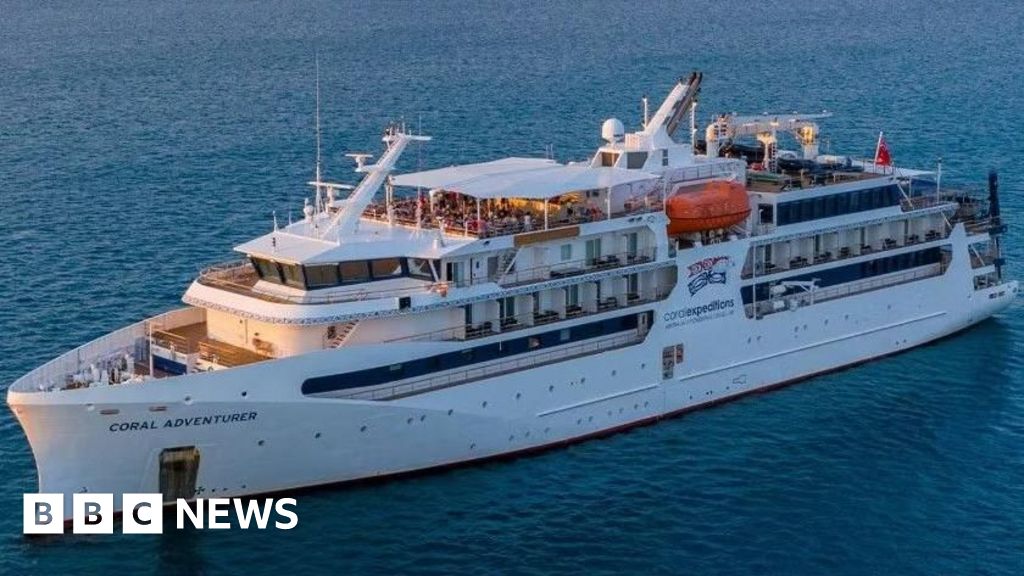
The Coral Adventurer cruise ship ran aground off the eastern coast of Papua New Guinea around 30 km from Lae during a 12‑day voyage (due to finish 30 December); all 80 passengers and 43 crew are reported safe and initial inspections found no hull damage. The vessel is already the subject of a joint investigation by the Australian Maritime Safety Authority and Queensland Police after the October 26 death of an 80‑year‑old passenger, and the operator, Coral Expeditions, has faced cancellations and refunds previously; the incident presents reputational and regulatory risk and may prompt further inspections or operational disruption while investigations continue.
Market structure: The incident primarily pressures niche expedition cruise operators (private and small-cap), likely depressing bookings for similar itineraries by 1–3% over the next 1–3 quarters as consumers shift to perceived safer brands. Large global cruise operators (RCL, CCL, NCLH) have more diversified itineraries and scale to absorb a reputational blip; expect temporary volatility and a potential 2–6% re-pricing in equity and 10–50bp widening in high‑yield spreads for weaker balance‑sheet names. Cross-asset: short-dated implied volatility on major cruise tickers should rise; commodity fuel demand impact is immaterial; FX and sovereign bonds in the region (AUD/NZD/PGK) see only noise-level moves unless investigations implicate routing/safety standards broadly.
Risk assessment: Tail risks include a finding of operational negligence leading to multiyear regulatory tightening, litigation exposures of +$50–200m for a mid‑sized operator, and insurance premium shocks (market reprice +100–300bps) over 6–12 months. Immediate risk window is 0–30 days while investigations unfold, with catalytic events at 30, 60 and 90 days (interim reports or criminal/civil referrals); medium-term (3–12 months) outcomes drive rate-card and booking elasticity changes. Hidden dependencies: specialist island/shore‑service operators and local authorities could amplify cancellations if access is restricted; contagion to adventure-tour insurers and specialty brokers is non‑linear.
Trade implications: If headline-driven selloffs exceed 4% intraday, large-cap cruise equities offer tactical buying opportunities—mean reversion trade with 3–9 month horizon and targeted upside 12–20% as bookings normalize. For downside protection, purchase short-dated put spreads on smaller, higher‑beta cruise names (size 0.5–1% portfolio) to hedge a 10–20% downside tail over 60–120 days; re-evaluate at each investigation milestone. Fixed income: trim high‑yield cruise exposure by 50% and rotate into senior secured maritime names or 6–18 month Treasuries until insurance pricing and legal outcomes are clarified.
Contrarian angles: Consensus frames this as a reputational story; underappreciated is the asymmetric beneficiary—large, well‑capitalized operators could gain pricing power on expedition routes and capture 2–5ppt market share within 12–24 months if smaller operators lose licenses or exit. The market may overreact if investigators clear procedural fault within 60–90 days; a rapid rebound could favor levered long positions in RCL/CCL sized 1–2% with tight stops. Watch for unintended consequences: aggressive shorting of the sector could create a liquidity trap in bonds if insurers withdraw capacity, producing dislocations that favor credit-protection buyers.
AI-powered research, real-time alerts, and portfolio analytics for institutional investors.
Request DemoOverall Sentiment
moderately negative
Sentiment Score
-0.35
