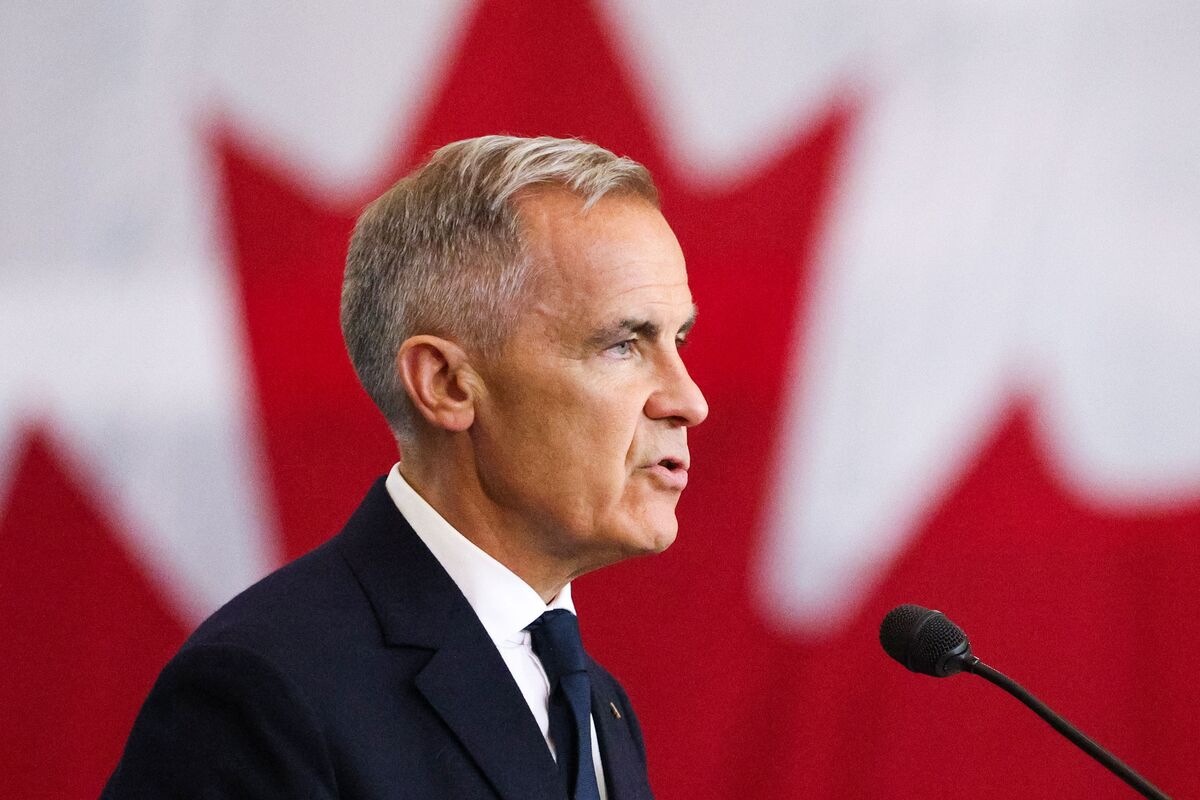
A recent Nanos Research Group poll for Bloomberg News indicates 53% of Canadians support Prime Minister Mark Carney's strategy to run deeper deficits, accepting his argument that increased spending is necessary to foster economic growth and strengthen the economy post-US trade war. This public backing provides a supportive context for Carney's upcoming first budget, expected in October, which will detail these fiscal expansion plans.
A recent Nanos Research poll indicates that a slight majority of Canadians, at 53%, support Prime Minister Mark Carney's proposed strategy of running deeper deficits to stimulate economic growth. This public approval is significant as it provides political cover for the new government's expansionary fiscal policy, particularly in the context of mitigating economic headwinds from a US trade war. The poll results, showing 37% opposed and 10% undecided, suggest a divided but generally permissive public sentiment. The key catalyst for markets will be the Prime Minister's first budget, expected in October, which will detail the magnitude and allocation of this increased spending. The moderately positive sentiment and market impact signals reflect the potential for economic stimulus, but the lack of specific details on the fiscal plan currently limits a more definitive market reaction.
AI-powered research, real-time alerts, and portfolio analytics for institutional investors.
Request DemoOverall Sentiment
moderately positive
Sentiment Score
0.40
