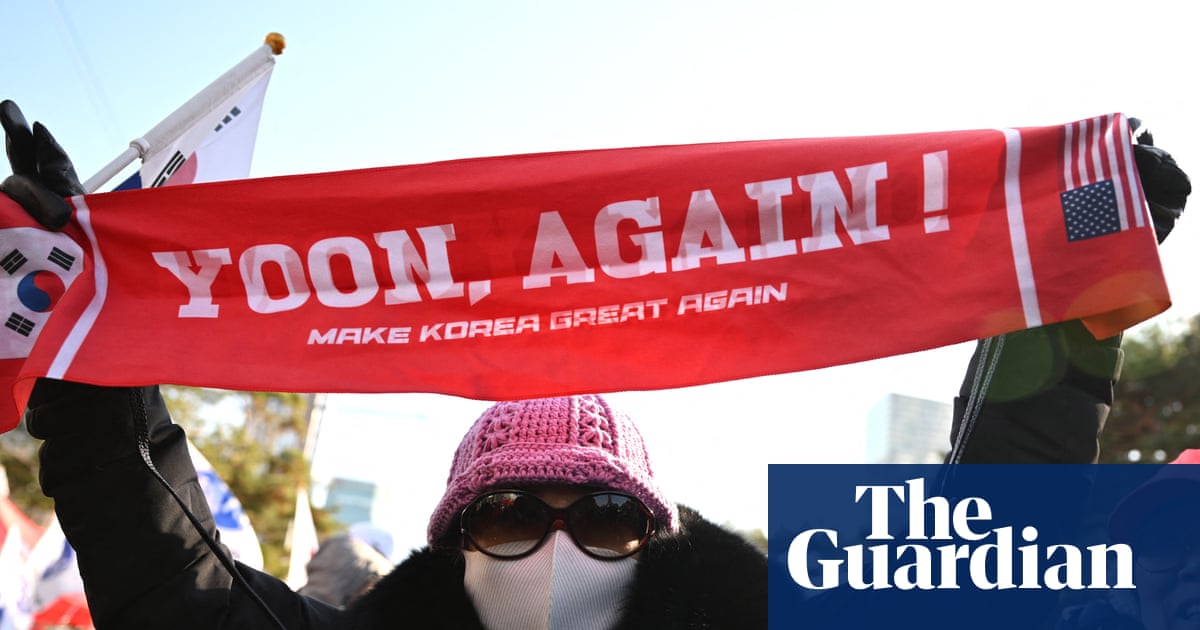
South Korea marked the anniversary of an aborted 3 December 2024 martial-law attempt by then‑president Yoon Suk Yeol — a decree that sought to ban political activity, authorize warrantless arrests and deploy 280 troops to the national assembly but was overturned within six hours by a unanimous 190‑member parliamentary vote. Yoon was impeached, removed and is now detained facing charges including insurrection and allegedly provoking North Korea with drone flights; trials of him and senior officials continue with verdicts not expected until early 2026, while President Lee has launched a nationwide review and an investigation of over 700,000 civil servants that has raised privacy and governance concerns. The episode has deepened political polarisation, fuelled a radical right movement and poses ongoing political‑risk and governance uncertainties for investors with potential knock‑on effects for policy continuity and South Korean market sentiment.
Market structure: Political instability in South Korea is a net positive for defense contractors, cybersecurity vendors and commodity safe-havens and a near-term negative for domestically-facing Korean equities, banks and consumer discretionary names. Expect 1–3% intraday KRW volatility spikes and a 3–8% widening in KOSPI downside skew in risk-off episodes; sovereign spreads (KTB) could widen 10–40bps on sustained uncertainty. Cross-asset flows will favor USD/JPY/USD and gold (GLD) while pressuring KRW, KOSPI (EWY) and local credit.
Risk assessment: Tail risks include military escalation with North Korea (low-probability, high-impact), domestic capital controls or asset freezes related to investigations, and broad political violence; each could trigger >10% KOSPI moves and 50–150bp sovereign spread widening. Immediate (days) = volatility/VIX-like spikes; short-term (weeks–months) = re-rating of Korea risk premia and sector rotation; long-term (quarters–years) = potential higher defense budgets, regulatory overreach and structural polarization altering corporate governance. Watch verdicts (early 2026) and major protests as primary catalysts.
Trade implications: Position for risk-off but selective structural winners: rotate 1–3% NAV into US defense (e.g., LMT, RTX) and cybersecurity (CRWD, PANW) with 6–12 month horizons; hedge via 3-month EWY puts or short EWY exposure sized 2–4% NAV. Establish a 1–2% NAV long USD/KRW 3-month position (add if KRW falls >3%); buy GLD 1–2% as crisis hedge. Use defined-cost option spreads (buy 6–12 month call spreads on defense; buy 3-month EWY puts 7–10% OTM).
Contrarian angles: Consensus may oversell Korea as permanently uninvestable—a decisive legal resolution (acquittal or clear verdicts in 1Q–2Q 2026) should trigger 8–15% mean-reversion in high-quality exporters. Consider pair trades: long select large-cap Korean exporters (semiconductor champions via selective exposure or 005930.KS) vs short domestic consumer/playground names or EWY, scaling entries on >10% sell-offs; avoid one-way crowd trades that ignore FX-hedged USD revenue streams.
AI-powered research, real-time alerts, and portfolio analytics for institutional investors.
Request DemoOverall Sentiment
moderately negative
Sentiment Score
-0.45
