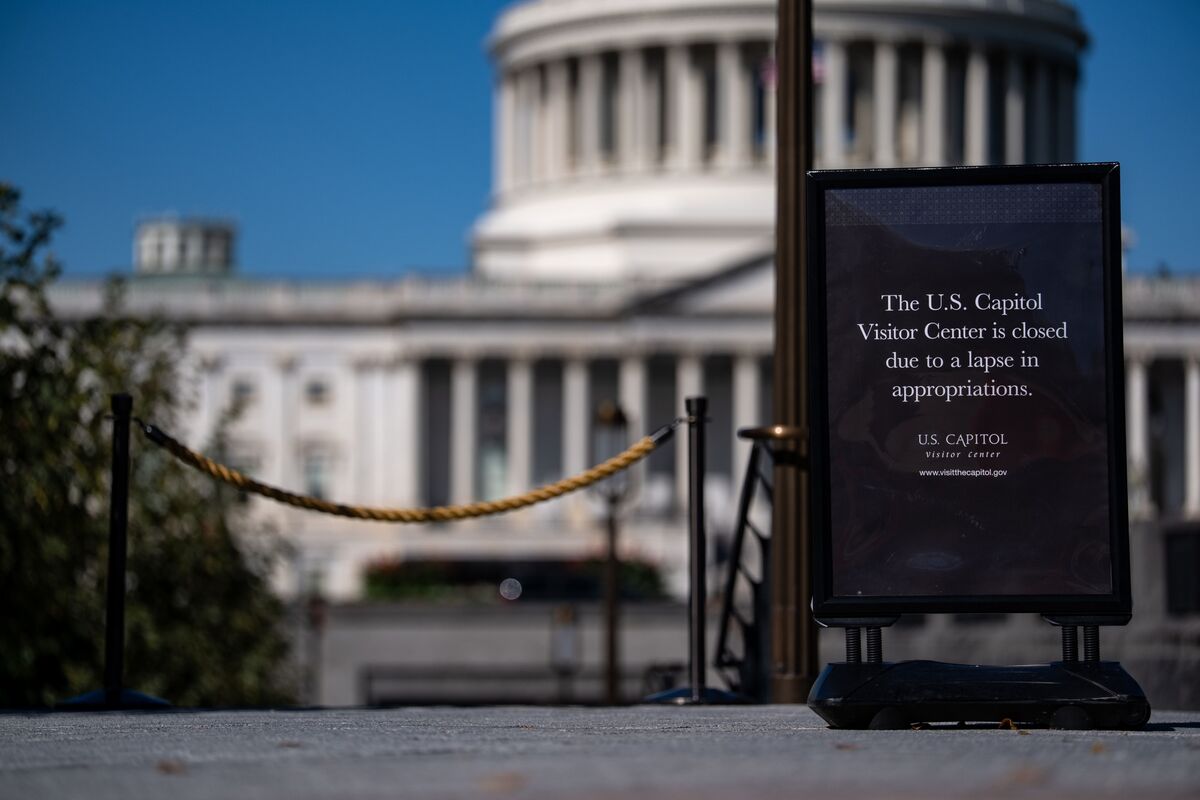
The current US government shutdown has become the longest in history, now in its 36th day, due to a partisan deadlock over federal spending. Democrats are demanding an extension of Affordable Care Act premium subsidies, a reversal of Medicaid funding cuts, and new restrictions on presidential spending authority, all of which Republicans have rejected. This prolonged political impasse signals significant policy disagreements and introduces considerable uncertainty regarding federal operations and potentially impacted sectors.
The U.S. government is currently experiencing its longest shutdown in history, now in its 36th day, following Congress's failure to pass a stopgap funding measure on October 1. This marks the third such closure under the current administration, highlighting persistent partisan standoffs over federal spending. The recurring nature of these shutdowns introduces systemic instability into federal operations.
The deadlock is primarily driven by Democratic demands for an extension of Affordable Care Act premium subsidies, a reversal of Medicaid funding cuts, and new restrictions on presidential spending authority, all of which Republicans have rejected. This reflects significant policy disagreements classified under "Fiscal Policy & Budget" and "Regulation & Legislation." The inability to compromise has led to a prolonged political impasse.
The situation carries a "strongly negative" sentiment score of -0.75 and a high market impact score of 0.75, underscoring investor concern. The "uncertain" tone associated with the event suggests unpredictable outcomes for federal services and potentially broader economic activity. While no specific tickers are identified, the broad nature of government operations implies widespread, albeit indirect, effects across various sectors.
AI-powered research, real-time alerts, and portfolio analytics for institutional investors.
Request DemoOverall Sentiment
strongly negative
Sentiment Score
-0.75
