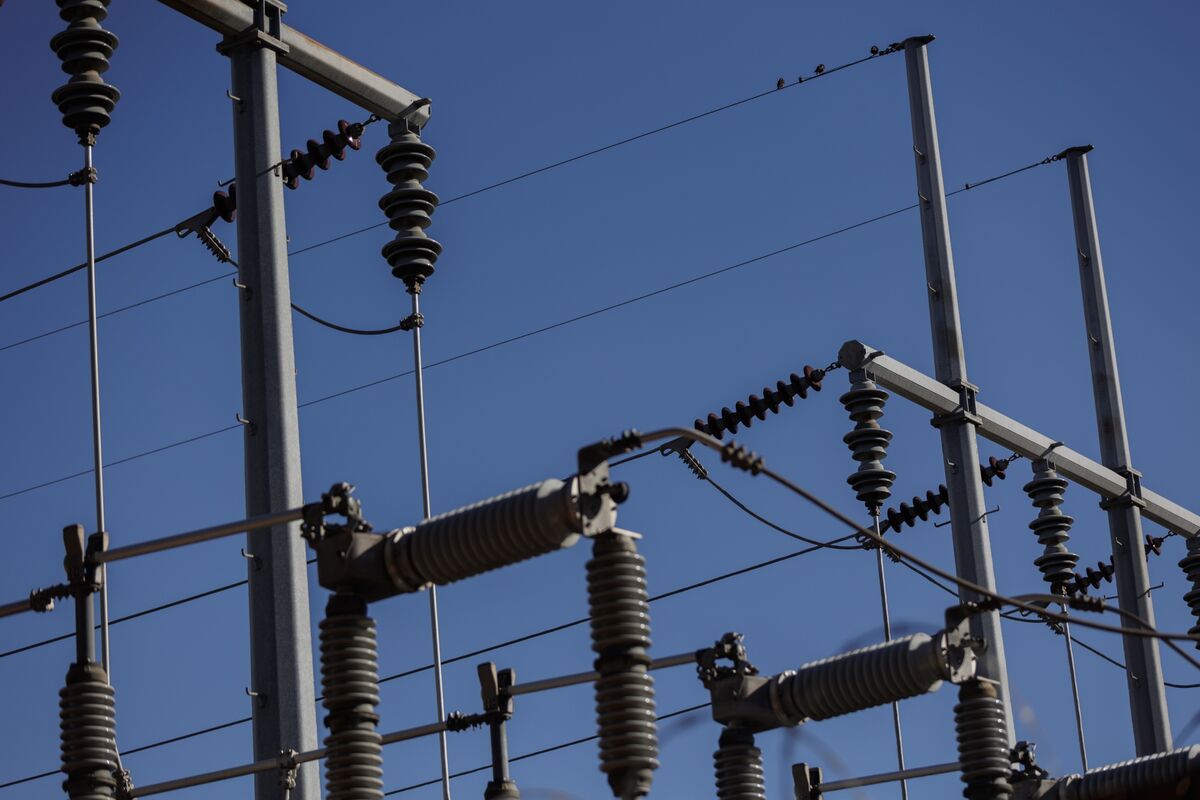
Rising electricity bills are identified as a politically potent issue, potentially creating electoral challenges for the Republican party, drawing parallels to the political impact of high gasoline prices.
The provided intelligence suggests an emerging political risk factor tied to rising consumer electricity costs, framed as a parallel to the political sensitivity of gasoline prices. The article posits that this "pain at the plug" could present a significant electoral challenge for the Republican party. While the piece is light on quantitative data or specific corporate entities, its focus on the political ramifications of energy pricing is clear. The mildly negative sentiment and pessimistic tone underscore the potential for consumer and voter discontent. The low market impact score of 0.1 indicates that this narrative is currently viewed more as a developing political theme rather than an immediate, direct catalyst for market-wide or sector-specific re-pricing, though it warrants monitoring at the intersection of energy markets and domestic politics.
AI-powered research, real-time alerts, and portfolio analytics for institutional investors.
Request DemoOverall Sentiment
mildly negative
Sentiment Score
-0.20
