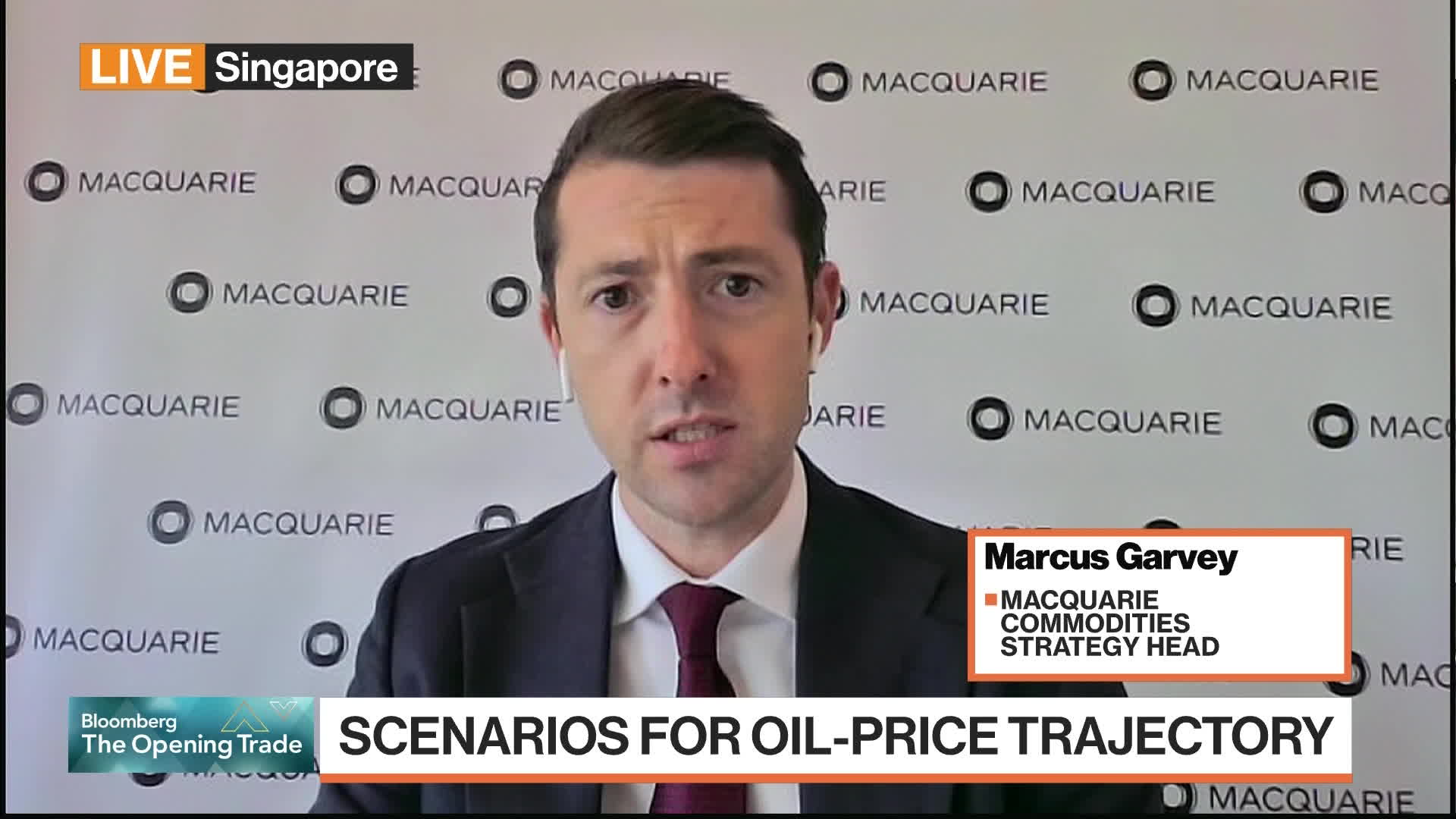
Oil prices are currently rising due to the ongoing conflict between Israel and Iran, adding to existing geopolitical risk premiums. This increase may further fuel inflationary pressures and impact investment strategies in energy markets, potentially benefiting oil producers while increasing costs for consumers and businesses.
Global financial markets are navigating a period of heightened uncertainty, primarily driven by escalating geopolitical tensions. Oil prices are notably rising as a direct consequence of the continuing Israel-Iran conflict, which is amplifying existing geopolitical risk premiums and is expected to fuel inflationary pressures. This surge in energy costs is poised to benefit oil producers but will likely translate into higher operational expenses for businesses and increased costs for consumers. Simultaneously, market participants are keenly anticipating the Bank of Japan's upcoming meeting, highlighted as a significant event with potential ramifications for currency valuations and banking sector liquidity. Further complicating the macroeconomic landscape, Carrier Global Corporation has indicated a cyclical downturn in the US Dollar. The overall market sentiment is characterized as mildly negative with an uncertain tone, reflecting these multifaceted risks, underscored by a moderate market impact score of 0.6.
AI-powered research, real-time alerts, and portfolio analytics for institutional investors.
Request DemoOverall Sentiment
mildly negative
Sentiment Score
-0.30
Ticker Sentiment
