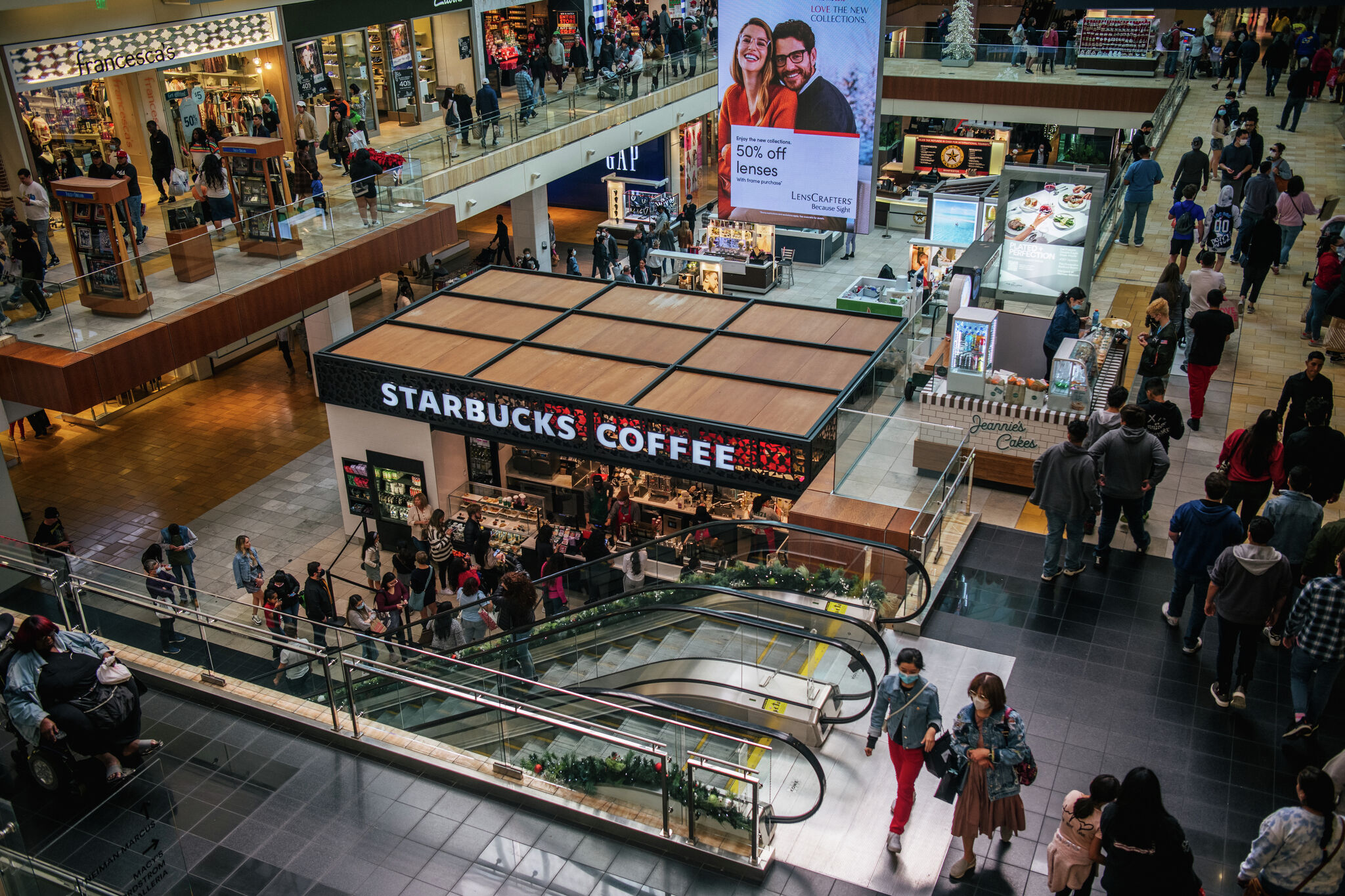
WalletHub analyzed more than 3,100 Black Friday deals across 13 major U.S. retailers' 2025 ad scans and found steep average markdowns, with JCPenney (74.08%), Belk (72.42%) and Kohl’s (45.39%) offering the largest discounts and an overall retail average discount of 37.17%. The report highlights a continued shift to online shopping (87.3m online shoppers vs. 81.7m in-person per NRF) and earlier seasonal promotions beginning as early as October, signaling aggressive discounting strategies that may boost volume and traffic but could pressure margins and inventory dynamics for certain retailers.
Market structure: Deep, SKU-level discounts (WalletHub average 37% across 13 retailers; JCPenney/Belk >70%) signal aggressive share-seeking by department stores and large omnichannel players. Winners: low-cost inventory holders and online marketplaces that scale variable costs (Amazon, but competitive promotions mute margins); losers: mid‑tier box retailers and specialty brick‑and‑mortar (Best Buy, Target) that carry higher operating leverage and will face margin compression if promos persist. Pricing power will bifurcate — firms with membership/loyalty economics (Costco) or differentiated services (Home Depot) can better defend margins.
Risk assessment: Tail risks include a broader markdown-driven inventory glut that forces earnings revisions (inventory/sales >10% YoY triggers), a strike/cyber disruption in e‑commerce (warehouse/logistics), or an inflation/CPI surprise that alters consumer mix. Immediate (days) impact: volatility around Black Friday ads and web traffic; short-term (weeks/months): inventories and November/December comps; long-term (quarters): margin normalization and permanent market-share shifts to e‑commerce. Hidden dependencies: promotional environment tied to vendor allowances and ad spend — vendor pullbacks could shift markdowns materially.
Trade implications: Expect elevated retail equity and option volatility into January earnings; favor convex option structures to limit downside. Tactical plays: favor resilient home-improvement exposure, underweight promotional-facing department stores, and use pair trades to isolate online vs. in-store execution risk. Monitor CPI, Adobe/SimilarWeb online traffic, and retailer inventory reports for trade triggers.
Contrarian angles: Consensus treats Amazon as a discounting victim; but Amazon’s scale allows temporary gross margin compression while expanding share — a 6–12 month recovery trade. Conversely, Costco’s low advertised discounts (15%) mask membership risk if traffic softens; downside could be underappreciated. Historical parallels: 2014–2016 promo cycles rewarded scale players; this cycle may amplify cloud/logistics winners and penalize mid‑tier real estate-heavy retailers.
AI-powered research, real-time alerts, and portfolio analytics for institutional investors.
Request DemoOverall Sentiment
mildly positive
Sentiment Score
0.25
Ticker Sentiment
