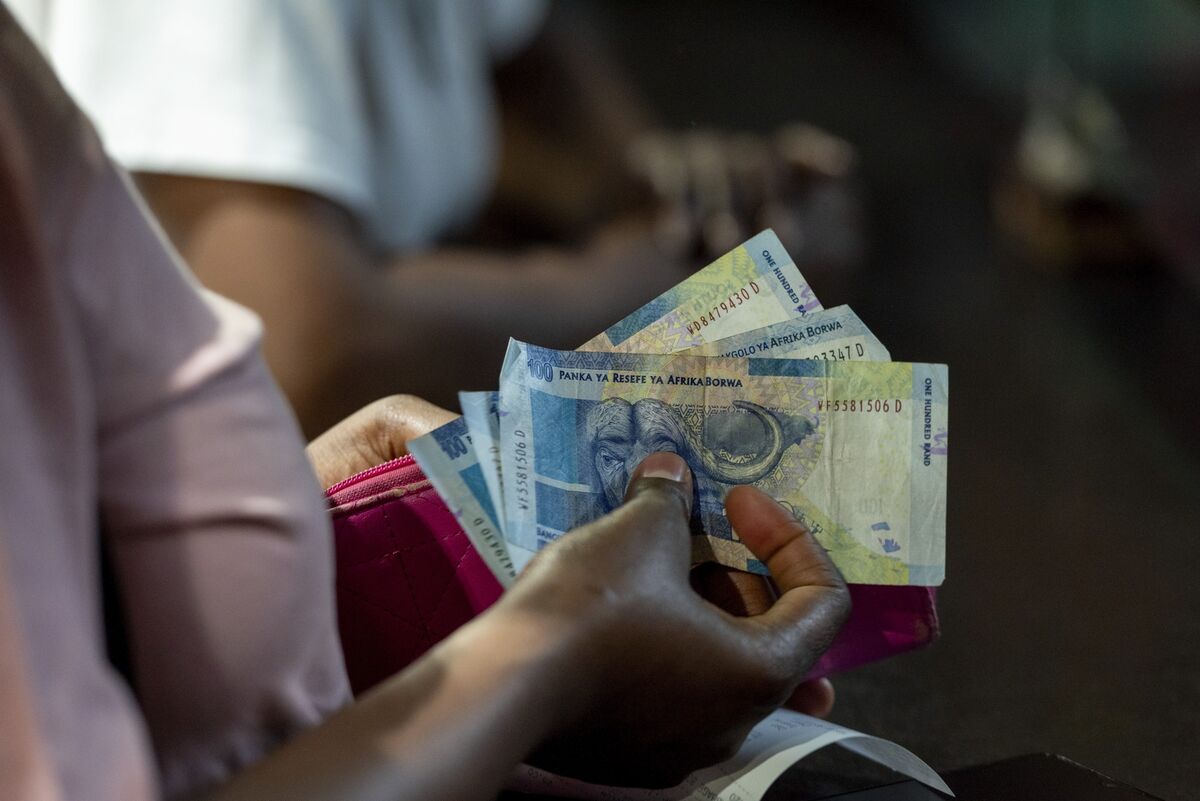
Emerging market currencies have defied historical trends by demonstrating lower expected volatility than their developed market counterparts for seven consecutive months, according to JPMorgan Chase & Co. indexes. This 'upside-down' market dynamic challenges conventional wisdom regarding EM asset risk and could prompt a re-evaluation of currency investment strategies.
Emerging market (EM) currencies have demonstrated an unusual period of lower expected volatility compared to their developed market (DM) counterparts, a trend that has persisted for seven consecutive months according to JPMorgan Chase & Co. indexes. This 'upside-down' market dynamic, where EM currencies like the South African rand and Brazilian real exhibit calmer expected swings, directly challenges the conventional wisdom that typically assigns higher volatility to developing-nation currencies. The observed phenomenon carries a mildly positive sentiment (0.3) and a moderate market impact (0.35), suggesting a notable but not disruptive shift.
This sustained divergence from historical patterns implies a potential re-evaluation of risk premiums and investment strategies within the Currency & FX and Emerging Markets asset classes. The prolonged period of reduced EM currency volatility could signal either a temporary market anomaly or a more fundamental shift in global financial dynamics, warranting closer scrutiny from institutional investors.
While the article does not detail the specific drivers, the consistency of this trend suggests underlying factors may be contributing to EM currency stability. Investors should consider whether this reflects improved economic resilience in certain EM economies or a broader reallocation of capital flows. The durability of this reduced volatility will be a key determinant for long-term strategic positioning.
AI-powered research, real-time alerts, and portfolio analytics for institutional investors.
Request DemoOverall Sentiment
mildly positive
Sentiment Score
0.30
Ticker Sentiment
