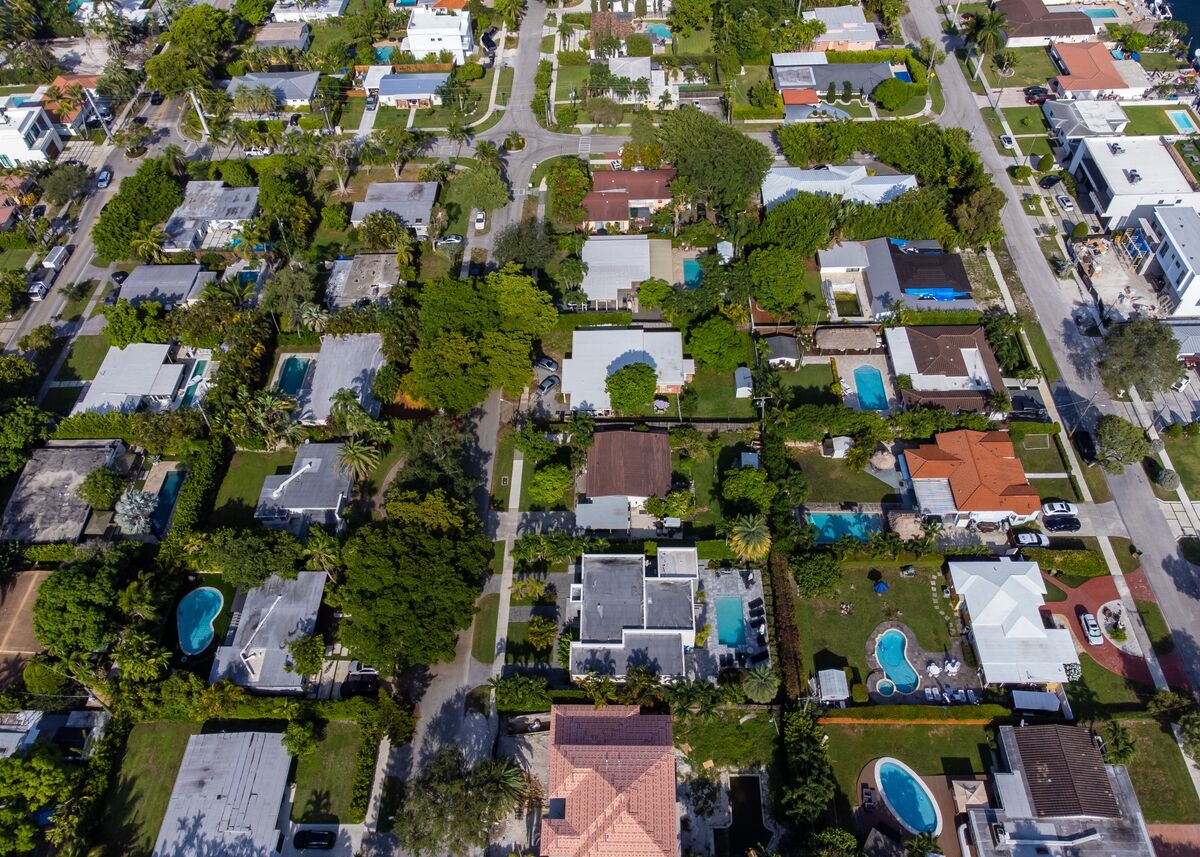
Ana‑Marie Codina, whose family firm develops master‑planned communities in South Florida, said at a Bloomberg New Voices event that housing demand in Miami is outstripping supply, driving a growing affordability problem and leaving little rent differential between newer, amenitized projects and older stock. The comments imply continued pricing support for existing rental assets and highlight opportunities for additional development to relieve local shortages, though the observation is regional and unlikely to move broader markets.
Market structure: Persistent undersupply in South Florida structurally benefits incumbent multifamily owners and scale single‑family rental (SFR) platforms (e.g., EQR, AVB, AMH, INVH) who can push rents without new‑supply dilution; speculative land developers and margin‑sensitive for‑sale builders (LEN, DHI, KBH) face margin squeeze because new product can’t command substantial premium. Competitive dynamics favor low‑leverage, high‑occupancy operators—expect modest cap‑rate compression for core assets and widening spreads for value‑add/development risk. Cross‑asset: higher localized rents are inflationary, increasing duration risk for fixed income and raising construction commodity demand (lumber, copper); sudden cap‑rate repricing would hit REIT equities and CMBS spreads.
Risk assessment: Tail risks include municipal rent‑control or zoning changes, Florida coastal insurance market failure, catastrophic hurricane losses, or a rate shock that raises 10‑yr >4.25% and compresses NAVs; each could move prices 10–30% in affected names. Timeline: immediate (0–8 weeks) watch permit/start data and insurance bulletin; short (3–6 months) watch absorption/rent growth; long (12–36 months) watch new completions pipeline and migration trends. Hidden dependencies: labor/materials, reinsurance availability, and mortgage credit for condo conversion.
Trade implications: Tactical overweights to core multifamily REITs (EQR, AVB, UDR) for 3–9 month rent tailwinds; underweight/short selective homebuilders (LEN, DHI) or landplay developers with >50% exposure to Florida for 3–6 months. Pair idea: long EQR / short LEN (size 2:1 by beta) to express rent vs build risk. Options: buy 6–9 month call spreads on EQR (buy ATM, sell 10% OTM) and buy 3–6 month puts on LEN (5–10% OTM) to limit capital.
Contrarian angles: Consensus that builders win from shortages is likely overstated—financing and build‑cost inflation mean new supply is expensive and slow, advantaging landlords; but zoning liberalization or accelerated permitting (if Miami passes >500–1,000 multifamily units of new approvals in next 12 months) could quickly cap rents and reprice REITs down 10–20%. Watch monthly multifamily starts (+/-15% YoY), Miami‑Dade zoning votes, and Florida insurance spreads as binary catalysts before scaling positions.
AI-powered research, real-time alerts, and portfolio analytics for institutional investors.
Request DemoOverall Sentiment
moderately negative
Sentiment Score
-0.35
