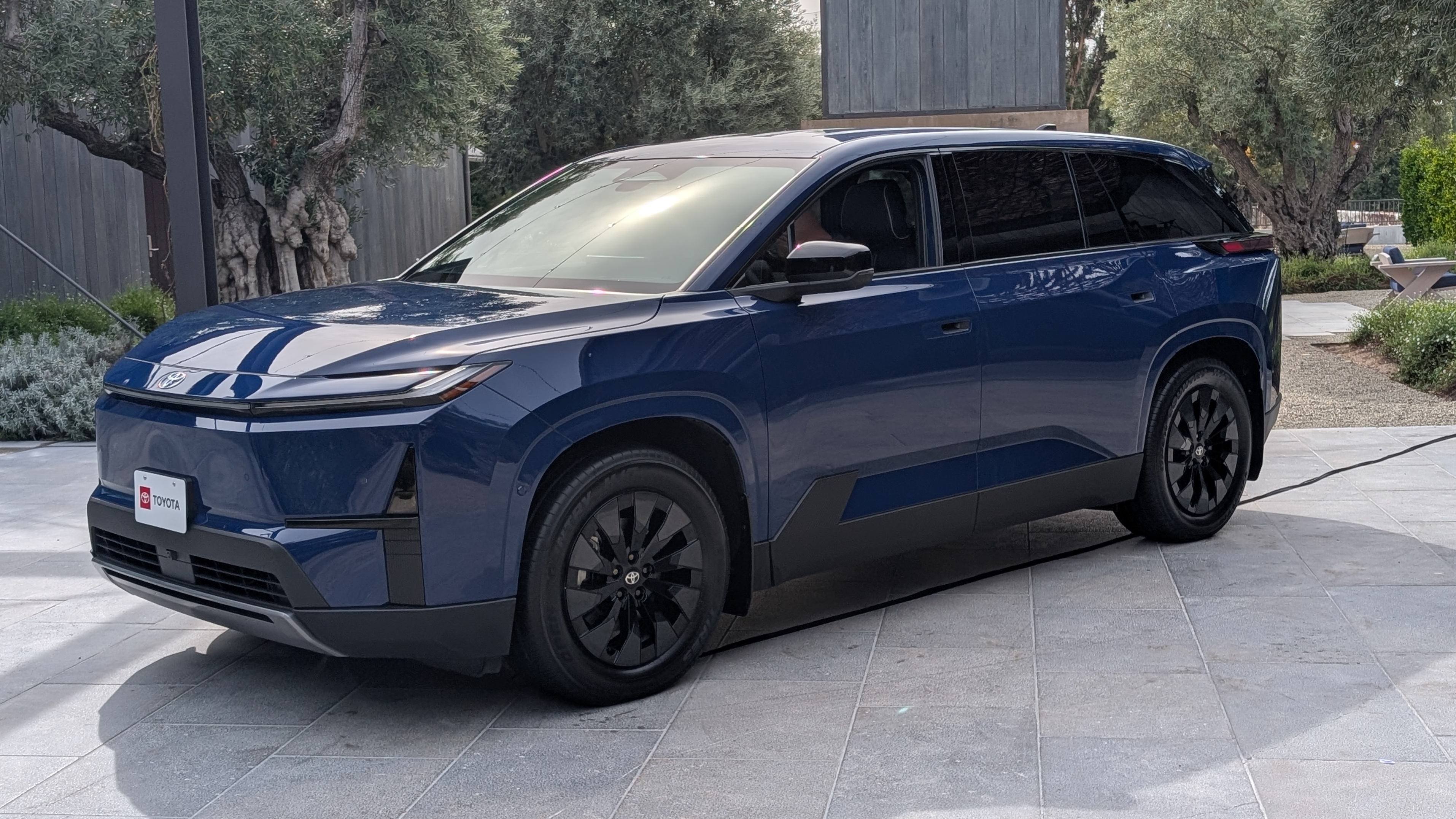
At the NADA conference automaker executives told dealers they are pushing for higher sales in 2026 despite a softening market, citing optimism about hitting sales targets even as consumers face high vehicle prices, economic uncertainty and a challenging labor market. The comments signal manufacturers are taking a growth-oriented stance that could influence production, incentives and dealer strategies, but persistent affordability and labor pressures pose downside risks to revenue and margin outlooks for the sector.
Market structure: Legacy OEMs with diversified portfolios (Toyota TM, Ford F, GM) and franchised dealers (AutoNation AN) are positioned to capture market share if they selectively increase incentives; EV pure‑plays (Rivian RIVN, Lucid LCID) and online used-car models (Carvana CVNA) are first-order losers because they lack dealer networks and face higher funding costs. Expect a short-term shift toward higher promo activity that increases vehicle supply to retail and wholesale channels, pressuring new- and used-vehicle pricing by ~5–15% if incentives ramp materially over 1–3 quarters.
Risk assessment: Tail risks include a sharp consumer-credit tightening or a policy reversal on EV subsidies—each could widen auto ABS spreads by 100–300bps and push bankruptcies among small EV OEMs within 6–12 months. Immediate indicators to watch are monthly retail auto sales, Manheim Used Vehicle Price Index (MVPI) moves >8% MoM, and OEM inventory days rising >15% QoQ; longer term the structural shift to electrification (3–5 years) still dominates capital allocation.
Trade implications: Tactical plays favor quality OEMs and franchised dealers while avoiding capital‑hungry EV names; expect HY/ABS underperformance and higher equity volatility in small-cap autos over the next 3–6 months. Use directional equity positions (1–3% of portfolio), put spreads on low‑liquidity EV names (3–6 month expiries), and consider protective credit positions if ABS spreads breach +150bps vs. Treasuries.
Contrarian angles: Consensus assumes incentive wars will be broad and margin-destroying, but OEMs with strong balance sheets may limit incentives, preserving margins — creating mispricings in beaten-up mid-cap suppliers (APTV, LEA) and select aftermarket leaders (ORLY). Historical parallels (post-2015 incentive cycles) show used-price corrections can invert within 6–9 months if incentives stop; a Fed pivot in H2 2026 would quickly revive demand, making timing critical.
AI-powered research, real-time alerts, and portfolio analytics for institutional investors.
Request DemoOverall Sentiment
mixed
Sentiment Score
0.05
