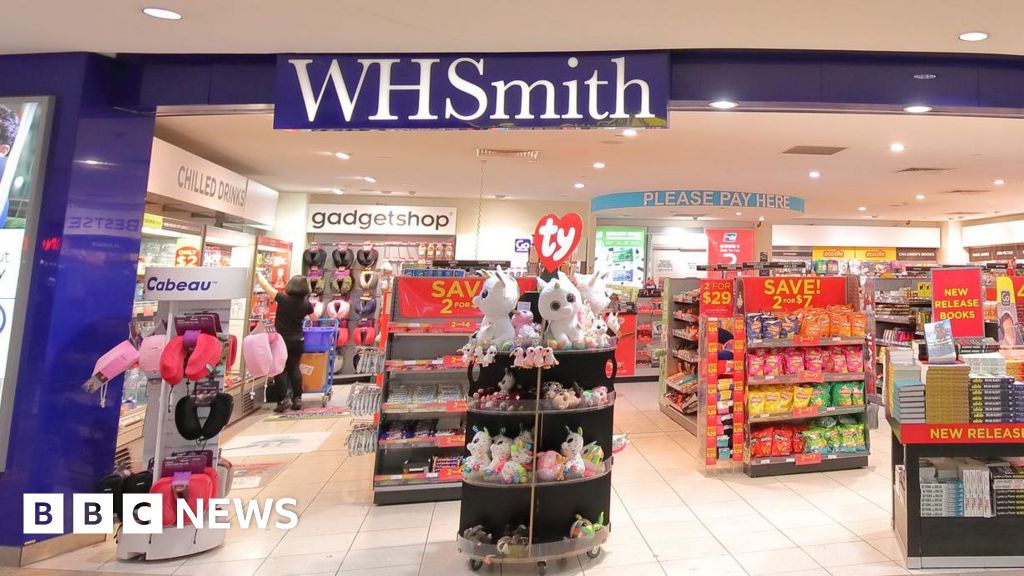
WH Smith is under FCA investigation after uncovering accounting errors in its North American business that may have overstated revenues by up to £50m, triggering a 40% share price drop and the resignation of CEO Carl Cowling. The retailer reported underlying pre-tax profit excluding one-off costs of £108m for the year to end-August, said it will seek to recover overpaid executive bonuses, delayed annual results twice, and plans governance and control improvements alongside a 2026 retail overhaul; the company also sold its 480 High Street shops earlier in the year and retains about 1,300 travel-location branches.
Market structure: WH Smith’s accounting shock leaves direct winners in travel-retail peers (SSP, Dufry) and airport landlords who can capture lost buyer confidence; losers are WH Smith equity, unsecured creditors and short-term suppliers. The £50m possible overstatement versus reported pre-tax profit of £108m implies earnings downside of up to ~46% if fully recognised — a material re-rating risk that will compress pricing power in small-format travel shops and invite share reallocation to stronger operators.
Risk assessment: Near-term (days–weeks) tail risk is an FCA enforcement action or profit restatement triggering a >30% share move and credit-spread widening; medium-term (3–12 months) risks include management turnover, executive clawbacks, and capital expenditure overruns on the 2026 store overhaul. Hidden dependencies: WH Smith’s recovery hinges on travel footfall recovery and execution of a capital-intensive “one-stop-shop” plan, so liquidity strain or covenant pressure could surface if EBITDA falls >25%. Catalysts to watch in 30–90 days: FCA updates, restated results, and any debt covenant notices.
Trade implications: Expect elevated implied volatility in WSM options and wider corporate bond spreads; relative-value trades within travel retail (long high-quality operators, short WSM) are compelling. Cross-asset: modest widening in UK retail credit curves and negative sentiment in small-cap UK consumer names are likely; FX impact negligible beyond sterling sentiment on local investor flows.
Contrarian view: The market may over-penalise physical travel retail as permanent demand shifts are limited — if restatement is <10% of revenue, downside is likely capped and a post-clearance rally could be sharp. Historical parallels (accounting misstatements at mid-cap retailers) show 6–12 month windows where governance improvements and stable cash flows restore value; this creates a disciplined event-driven rebound opportunity if governance fixes are credible.
AI-powered research, real-time alerts, and portfolio analytics for institutional investors.
Request DemoOverall Sentiment
strongly negative
Sentiment Score
-0.65
