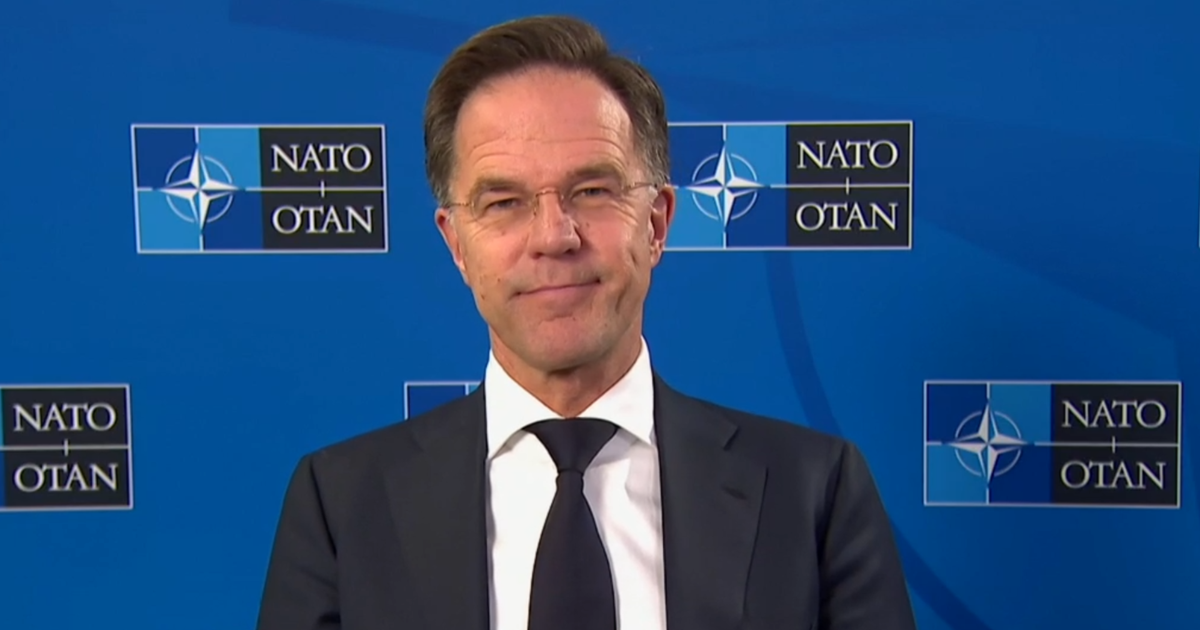
Iran reportedly fired two missiles at Diego Garcia (≈4,000 km from Iran), raising concerns NATO is still assessing whether Tehran now has ICBM-range capability that could threaten Berlin/Paris/Rome. NATO Secretary General Rutte emphasized the existential risk if Iran pairs nuclear and missile capabilities and said 22 countries (mostly NATO plus partners) are coordinating to secure free navigation through the Strait of Hormuz. The interview also flagged market-policy friction: U.S. moves to lift restrictions on Russian oil exports (estimated impact cited as ~$2bn by Treasury to ~$10bn by Zelenskyy) may complicate European security and energy-price dynamics.
The recent escalation in the Middle East has re-priced a narrow set of real-world transport and insurance exposures that markets tend to underweight: short-term tanker demand and marine insurance. Expect a concentrated spike in tanker charter rates and war-risk premiums within days to weeks as shippers reroute or slow-steam; a 2–6 week window is where P&L for owners and insurers will diverge most from oil price moves.
A second-order effect is a front-loaded acceleration of European and allied procurement cycles for missile defense, ISR, and logistics sustainment. Procurement timelines that normally stretch 24–48 months can compress to 6–18 months when political cover and budget reallocation occur, creating durable backlog and margin expansion for primes and niche systems suppliers over a 12–36 month horizon.
Sanctions and energy policy maneuvers act as an offset: additional seaborne crude supply into global markets can blunt a sustained oil-price shock even as short-term shipping premia spike. That makes the oil price response more volatile and mean-reverting — sharp moves over days-weeks followed by partial normalization in 60–120 days unless a sustained interdiction regime is enforced.
Consensus is pricing sustained higher-for-longer energy and a secular NATO disintegration; the more likely path is episodic volatility plus structural uplift to defense budgets. Trade structures that buy convex exposure to spikes (short-dated call spreads on Brent; owner/operator equities with low leverage) while avoiding long-duration outright energy longs are therefore preferred.
AI-powered research, real-time alerts, and portfolio analytics for institutional investors.
Request DemoOverall Sentiment
mildly negative
Sentiment Score
-0.30
