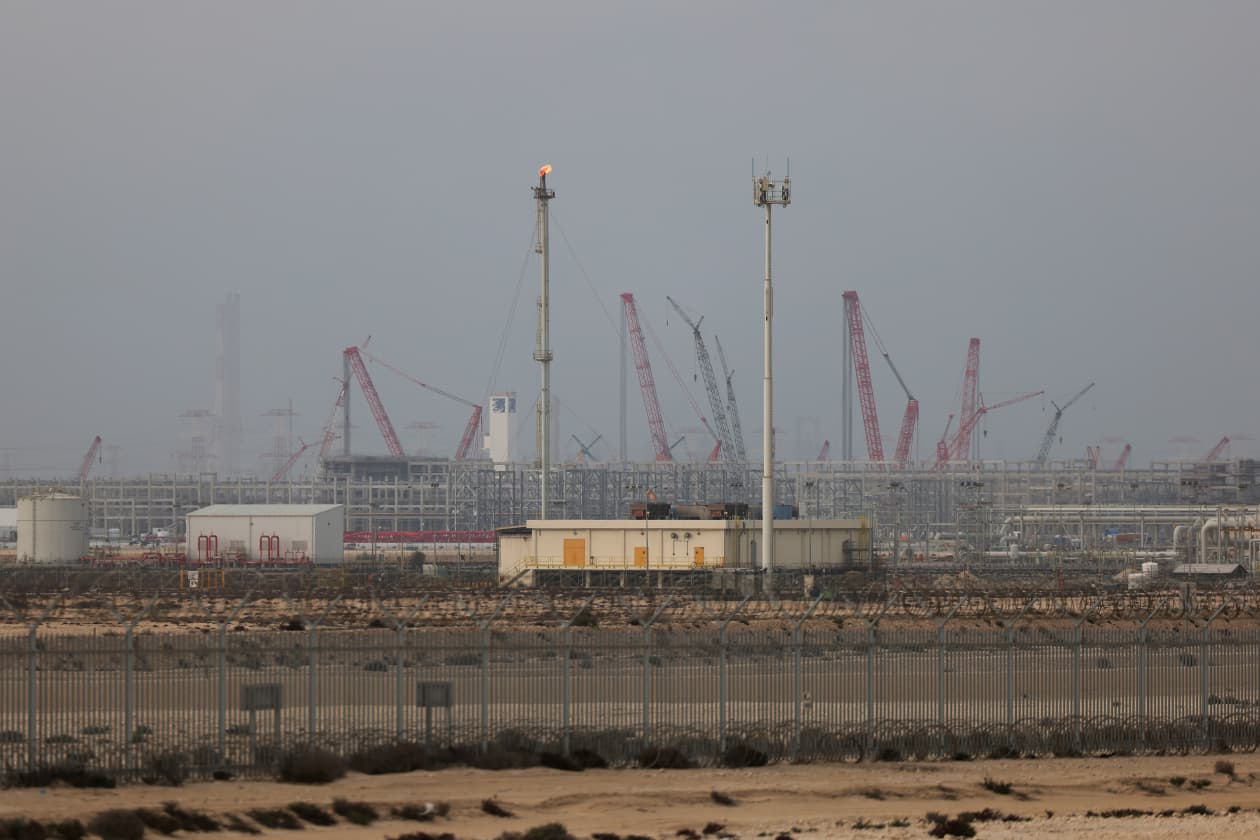
Rystad Energy doubled its estimate of repair costs to about $50 billion, up from $25 billion three weeks ago, as damage from the Iran war has expanded materially. The article argues that prolonged outages in Middle East energy infrastructure could keep crude supplies tighter for longer, supporting higher oil prices even after any peace accord. The main market implication is continued upside pressure on crude and related energy markets due to a slower-than-expected recovery.
The market is likely underpricing the asymmetry between immediate price relief and slower physical normalization. Even if a ceasefire removes the headline risk premium, the real constraint is not demand but restored optionality: damaged export, processing, and transport nodes can keep effective spare capacity impaired for months, which means prompt crude supply may remain tighter than futures curves imply. In that setup, prompt barrels should outperform deferred ones, and backwardation can persist even as geopolitical headlines fade.
Second-order winners are not just upstream producers but companies with intact logistics, storage, and repair capacity. Midstream operators, FPSO/service names, and drilling contractors with Gulf exposure may see utilization and pricing power improve as operators rush to restore throughput; at the same time, refiners outside the region face a double bind if crude stays elevated but product supply from the Middle East normalizes slowly. Import-dependent EMs and global airlines are the clearest losers because their input costs reprice immediately while hedges roll off over a 1-2 quarter window.
The key contrarian risk is that consensus may be too focused on headline peace and too slow to factor in infrastructure bottlenecks. A durable downmove in oil requires not just no further attacks, but visible repair progress, secure insurance, and restored export cadence; absent that, the market may be forced to reprice physical tightness repeatedly as each outage extension hits inventories. The other tail risk is policy intervention: if Brent stays elevated for several weeks, strategic releases, diplomacy, or demand destruction can cap the upside, but that likely acts with lag rather than immediately.
AI-powered research, real-time alerts, and portfolio analytics for institutional investors.
Overall Sentiment
moderately negative
Sentiment Score
-0.35
