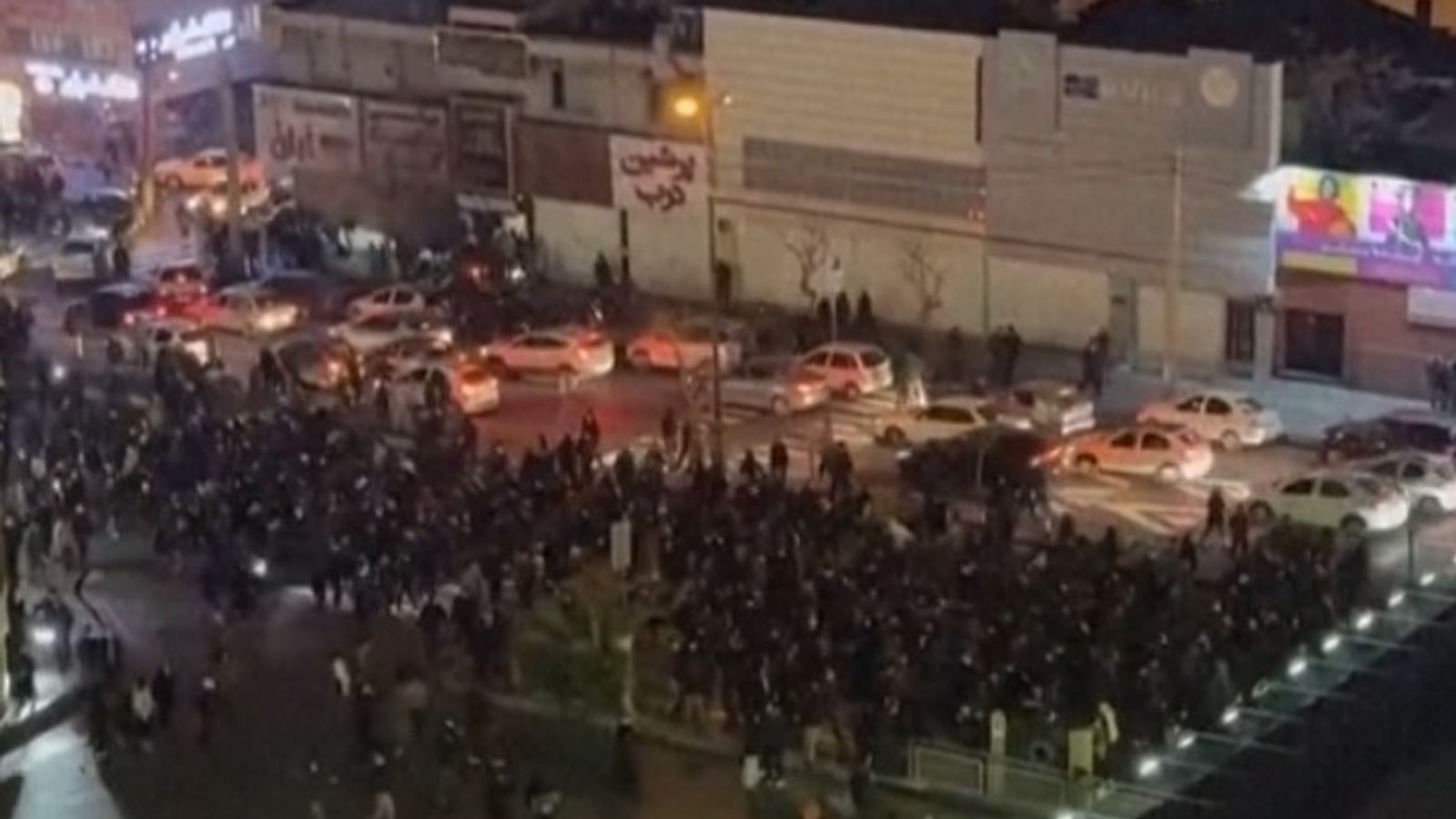
Widespread demonstrations across Iran, triggered by a sharp collapse in the rial and prolonged hyperinflation, have spread to the majority of provinces since 28 December and prompted a government internet blackout. The rial has plunged from about 32,000 per USD in 2015 to roughly 1.46 million per USD this week, while rights groups report 34 protesters and four security personnel killed and some 2,200 arrests. State media blamed foreign 'terrorist agents' and the unrest follows heavy economic damage from US sanctions, domestic mismanagement and last year's war with Israel — a confluence that heightens political risk, could further depress the currency, amplify inflationary pressures and raise emerging-market and regional risk premia for investors.
Market structure: Immediate winners are oil producers (integrated majors and producers with spare capacity), defense contractors, gold and miners; direct losers are EM assets, regional banks with Iran exposure, and travel/airline carriers. A disruption in the Strait of Hormuz or insurance premium spikes can mechanically raise Brent/WTI by $5–$30/bbl within days, shifting pricing power to producers and insurers while depressing discretionary demand in tradeable consumption sectors.
Risk assessment: Tail risks include a limited regional war or major shipping route closure (low probability, high impact) that could lift oil +20–60% and force rating/supply shocks; another tail is rapid US military engagement creating multi-week volatility. Time horizons: days—sharp volatility and safe-haven flows; weeks/months—capital flight from EM, elevated oil and gold; quarters/years—persistent sanctions, re-routing of energy flows. Hidden dependencies: China and Russia willingness to absorb Iranian output, and reinsurance market capacity to price tanker risk.
Trade implications: Near-term trades should hedge geopolitical oil upside and EM downside while owning safe-havens: short-dated crude call spreads, long GLD/miners, short EEM/EM sovereign debt, and selective longs in defense names. Use options for defined-risk exposure (call spreads, put spreads, VIX calls); size trades small (1–4% per idea) and scale up on explicit catalysts (Strait incidents, US strikes).
Contrarian angles: Consensus expects persistent oil shocks — history (2019–2020 Iran skirmishes) shows spikes often mean-revert when OPEC+ offsets supply or demand softens. If oil rallies >30% without Straits closure, re-rate energy names early and scout 20–30% retracements in beaten EM assets for tactical long opportunities after 3–6 weeks. Monitor OPEC+ statements and tanker insurance rates closely as leading indicators.
AI-powered research, real-time alerts, and portfolio analytics for institutional investors.
Request DemoOverall Sentiment
strongly negative
Sentiment Score
-0.60
