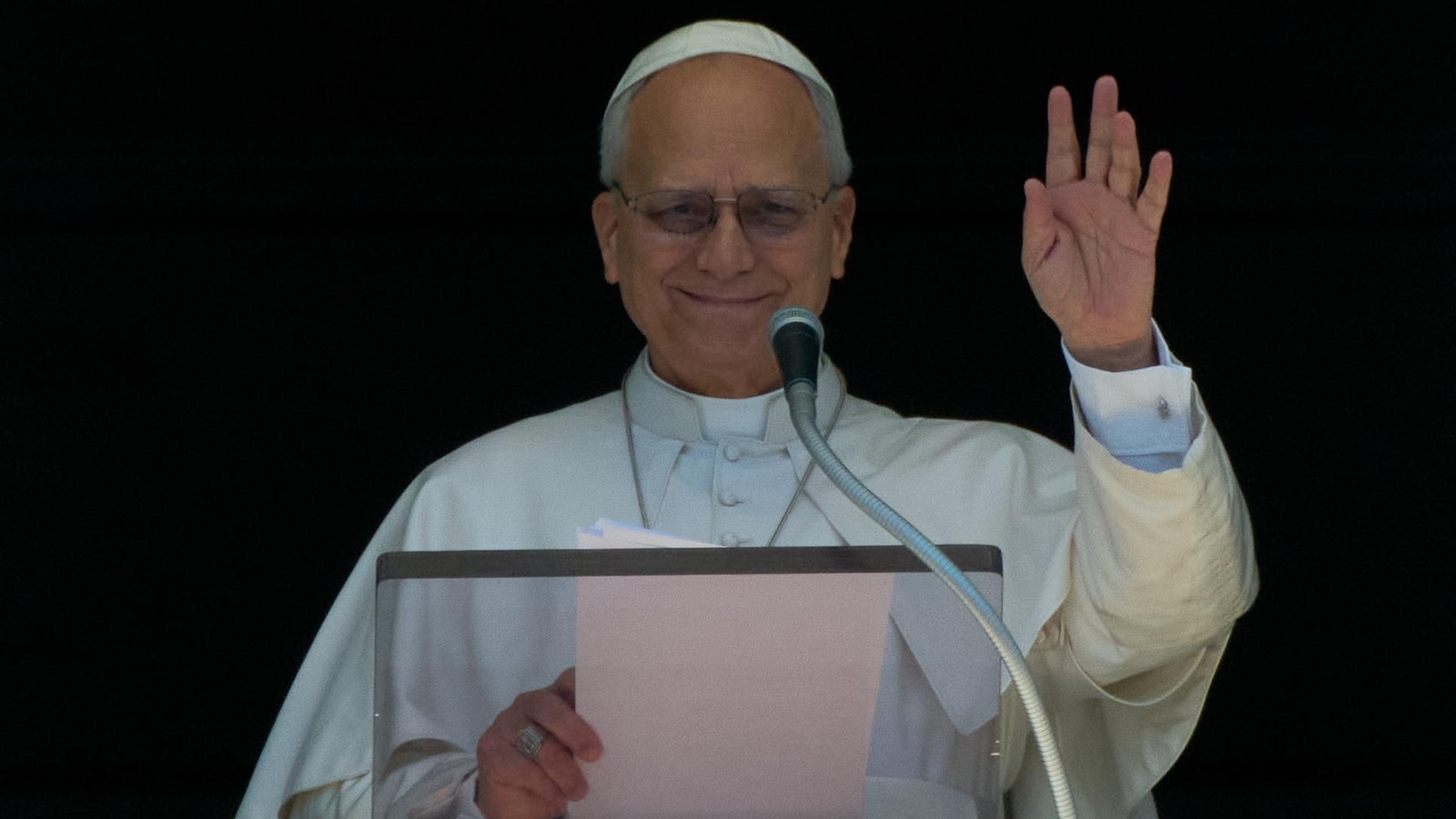
U.S. President Trump's threat that a 'whole civilization will die tonight' if Iran doesn't comply prompted Pope Leo XIV to call the remark 'truly unacceptable' and to state that attacks on civilian infrastructure violate international law. The Pope urged Americans to pressure political leaders and Congress to reject war, raising political and geopolitical risk that could amplify risk-off sentiment among investors.
Religious and moral condemnation from high-profile non-state actors raises the political cost of kinetic escalation in democracies far more than market headlines imply. In the near term (days–weeks) that raises the probability that Congress and administration advisers will prefer calibrated, non-kinetic options (sanctions, cyber, targeted strikes) over broad attacks on infrastructure — a less bullish outcome for the defense hardware rerating priced into the sector last quarter. Over 1–6 months this dynamic can compress the risk premium embedded in oil tanker rates, insurance on Strait-of-Hormuz transits, and short-duration hedges that spiked after each hawkish headline in the past year.
Second-order winners are consumer cyclicals and travel names that suffer from route/insurance friction when military risk premiums rise; losers are pure-play tanker owners and short-dated defense discretionary exposure. The key reversal catalyst is conventional: any credible on-the-ground escalation or inadvertent strike that creates civilian casualties — that would re-introduce the very tail risk moral actors aim to prevent and blow out the short side. Monitor congressional messaging, insurance premiums for Gulf transits, and options-implied vols in defense names for leading signals over the next 4–12 weeks.
Contrarian point: the market often prices headlines as binary (war/no-war), missing the multi-month policy drift where actions stay below the threshold of “infrastructure strikes” but still sustain conflict risk via protracted proxy activity. That path favors companies that benefit from prolonged low-intensity friction (intelligence, cyber/security services, select logistics players) rather than big-ticket weapons platforms. Positioning that assumes immediate de-escalation is therefore more fragile than it appears — protect with asymmetric, low-cost hedges rather than blunt exposure shifts.
AI-powered research, real-time alerts, and portfolio analytics for institutional investors.
Request DemoOverall Sentiment
mildly negative
Sentiment Score
-0.30
