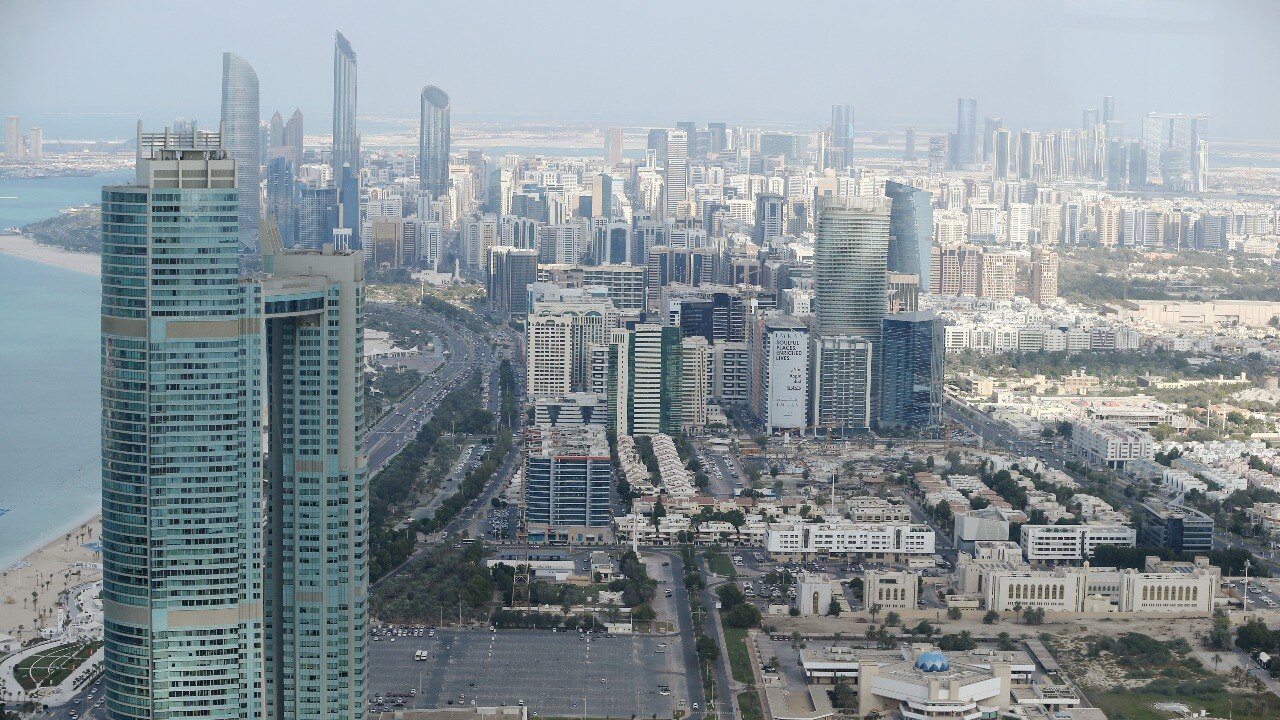
Iran reports more than 2,000 killed and over 26,000 wounded since Feb 28 as the US-Israel-Iran conflict escalates and strikes target bridges, power plants and Tehran infrastructure. Maritime traffic through the Strait of Hormuz has collapsed to ~16 daily transits versus roughly 130 pre-conflict, Kuwait’s Mina al‑Ahmadi refinery has been hit for the third time in two weeks, and Abu Dhabi’s Habshan gas facility halted temporarily after interception debris injured 12 people. Western deployments (UK Rapid Sentry to Kuwait) and strained missile inventories (likely delays to Japan’s ~400 Tomahawk order) point to heightened oil and commodities volatility and a sustained market risk-off environment.
The market is pricing an enduring premium on maritime insecurity and munitions consumption rather than a single, transitory shock. When chokepoints or regional infrastructure become intermittently unusable, global logistics reallocate onto fewer vessels and longer routes; that mechanically raises voyage days by roughly 7–12 days on alternative routings and increases per-voyage bunker and time-charter costs in the mid-single to low-double-digit percent range, concentrating freight revenue into the hands of owners with available VLCC/AFRA capacity and pushing spot tanker and Suezmax rates materially higher on short notice.
A sustained depletion of modern tactical missile inventories creates a two-layer demand impulse: immediate replenishment orders (driving near-term revenue for missile/air-defence OEMs) and a multi-year procurement cycle to rebuild stockpiles and shore-based layers, which favors prime defense contractors with integrated missile, radar and sustainment franchises. Simultaneously, regional damage to refining/desalination capacity tightens product and water-intensive industrial supply chains for months, elevating premium for refiners and trading houses able to redirect product flows and for insurers underwriting political-risk and hull war cover.
Second-order capital flows will favor players that capture margin from disruption (spot tanker owners, trading/refining arbitrageurs, defence OEMs and specialty insurers) while penalizing low-margin transport integrators and regional infrastructure owners facing long reconstruction timelines and rising borrowing costs. The path back to normalized flows is binary — negotiated safe-passage corridors or a de-escalation framework would unwind most of the freight and insurance premia within weeks, whereas protracted attrition would lock in multi-quarter scarcity and force structural capital allocation toward hardening and stockpiling over the next 12–36 months.
AI-powered research, real-time alerts, and portfolio analytics for institutional investors.
Request DemoOverall Sentiment
strongly negative
Sentiment Score
-0.80
