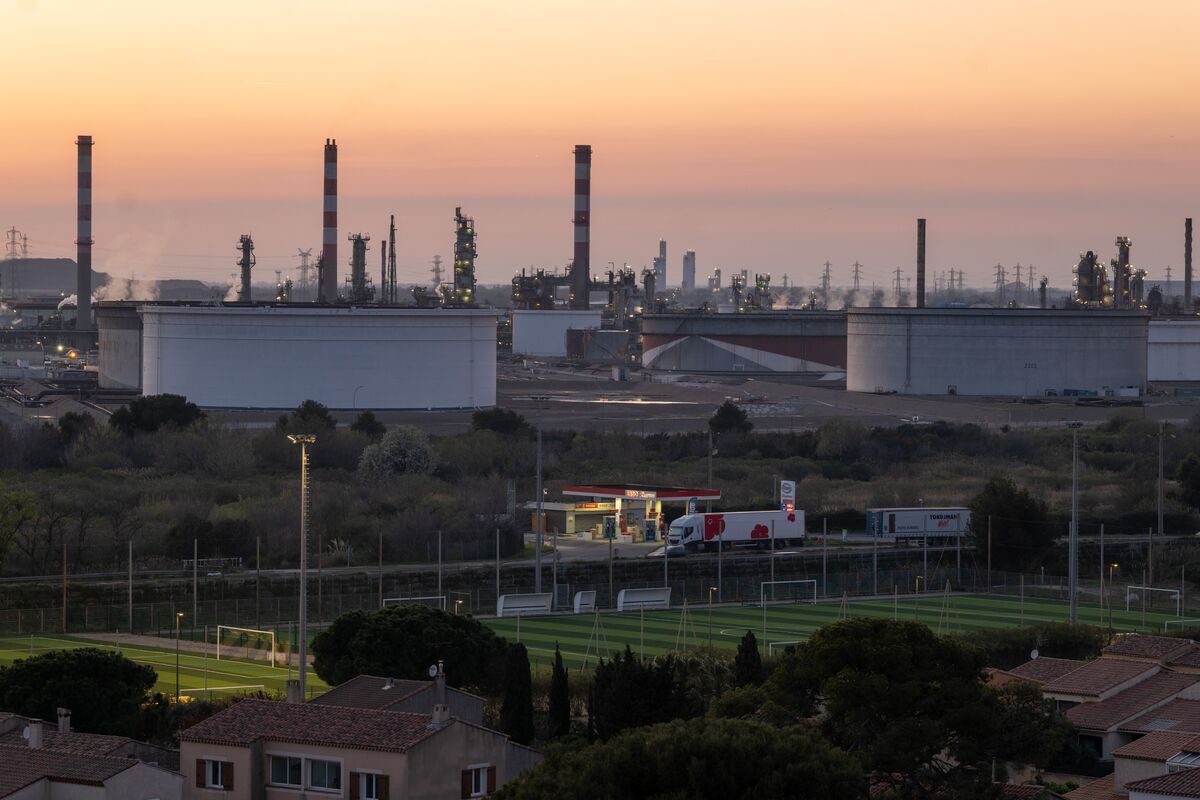
The European Commission proposed making supply controls in the EU Emissions Trading System more flexible while keeping the mechanism’s key parameters unchanged and without immediately releasing additional carbon volumes. The measure is designed to limit emissions-cost pass-through into soaring energy bills and should modestly cap near-term upside in EU carbon (EUAs) and power prices, though it stops short of an immediate market-supply shock and leaves policy risk elevated amid competitiveness and Middle East tensions.
The policy tweak will be priced as a conditional cap on the extreme upside of EU carbon (reducing the probability-weighted terminal price), not as a removal of regime risk. Practically that trims models’ carbon price tails by an estimated 30–40% over a 6–12 month horizon while increasing near-term vol by ~20–40% because markets must now price in discrete policy trigger events rather than a smooth path.
Beneficiaries in the operational timeframe are incumbent thermal generators and carbon-exposed manufacturers that regain margin headroom — think large utility balance sheets and commodity-facing corporates where a €1 move in EUA materially shifts operating cash flow. Second-order winners include EU export-oriented steel and aluminium producers who reclaim short-term competitiveness vs non-EU peers; losers are marginal renewable projects and early-stage CCUS developers whose IRRs are pushed out by an extra 6–18 months of weaker price signals.
Key catalysts to watch are the Commission’s exact trigger mechanics, the upcoming auction calendar, and winter gas/demand shocks that can overwhelm any policy cap. Tail risk is asymmetric: a cold, geopolitically-driven winter or judicial/political reversal could reflate carbon to new highs within 30–90 days, so any directional exposure should be paired with convex hedges rather than naked positions.
AI-powered research, real-time alerts, and portfolio analytics for institutional investors.
Overall Sentiment
neutral
Sentiment Score
0.00
