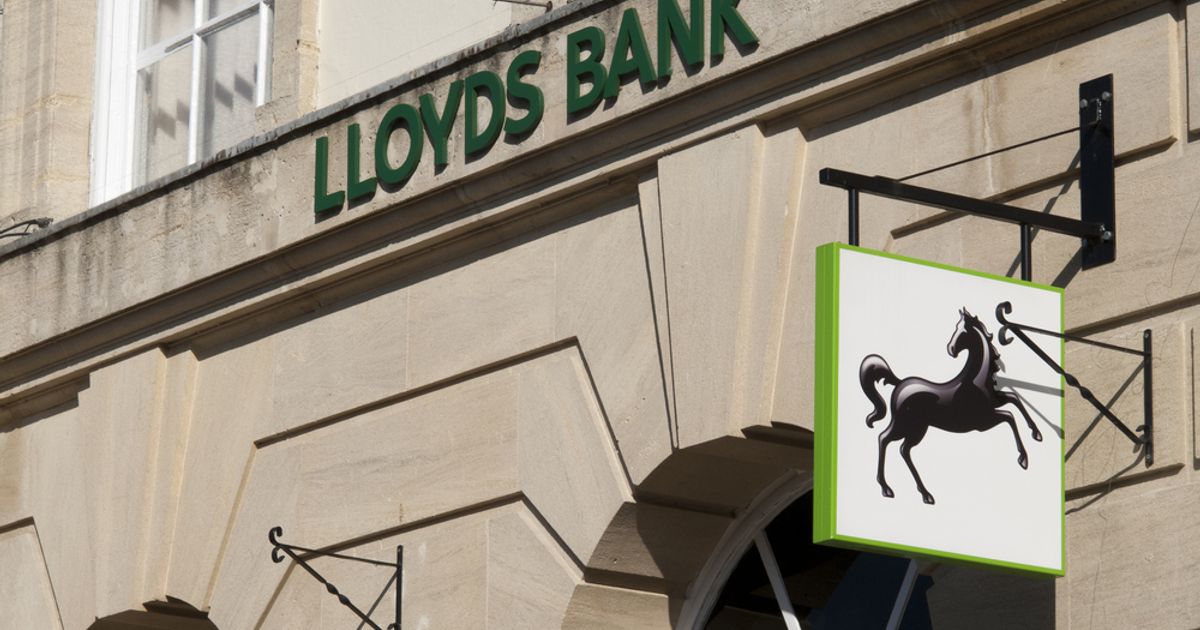
Lloyds unveiled a new £1.75bn share buyback after reporting Q4 statutory pre-tax profit of £1.98bn versus an average analyst forecast of £1.72bn, with Q4 net interest margin at 3.1% and net interest income of £3.5bn (up 2%). Operating costs rose 12% to £2.6bn, full-year return on tangible equity was 12.9% (14.8% excluding a motor finance commission charge) and total shareholder distributions for the year were about £3.9bn. Management upgraded 2026 guidance: underlying net interest income c.£14.9bn, operating costs under £9.9bn, cost:income ratio <50% and RoTE above 16%, and will review excess capital distributions semiannually.
Market structure: Lloyds' £1.75bn buyback (total ~£3.9bn distributions) directly benefits equity holders, EPS and ROE optics and puts pressure on peer UK banks to match returns or cede yield-sensitive investors; depositors and borrowers see no immediate benefit. The buyback plus guidance (NII ~£14.9bn, costs <£9.9bn, RoTE >16%) signals stronger pricing power in a high-rate UK market but also implies slower capital reinvestment and potentially tighter lending supply if capital is recycled to buybacks.
Risk assessment: Key tail risks are regulatory pushback from PRA/BoE (restriction on excess distributions within 30–90 days), a rapid rate reversal cutting NIM by >30–50bps within 6–12 months, or an uptick in credit losses from consumer/mortgage books in a UK recession scenario (>100bps NPL rise). Near-term (days-weeks) volatility will track buyback execution and July strategy detail; medium-term (3–12 months) outcomes hinge on NII delivery vs. cost inflation; long-term (>12 months) depends on sustained RoTE >16% and capital ratios.
Trade implications: Tactical long LYG exposure is favored: buy-stock or bullish call spreads to capture buyback and guidance re-rating, hedged for systemic risk via short exposure to BARC or a UK banks ETF. Consider 3–6 month call spreads to limit capital at risk if implied vol collapses post-announcement; overweight domestic UK retail banks and underweight global investment banks in sector rotation.
Contrarian angles: Consensus underestimates cost inflation (costs rose 12%) and the chance management prioritizes buybacks over loan growth, which could cap long-term earnings if NII weakens; investors may also be overestimating sustainability of >16% RoTE absent continued high rates. Historical parallels: post-2018 UK bank buybacks were curtailed in stress periods (2020), so regulatory reversals are non-trivial and could heavily re-price LYG if macro weakens.
AI-powered research, real-time alerts, and portfolio analytics for institutional investors.
Request DemoOverall Sentiment
moderately positive
Sentiment Score
0.55
Ticker Sentiment
