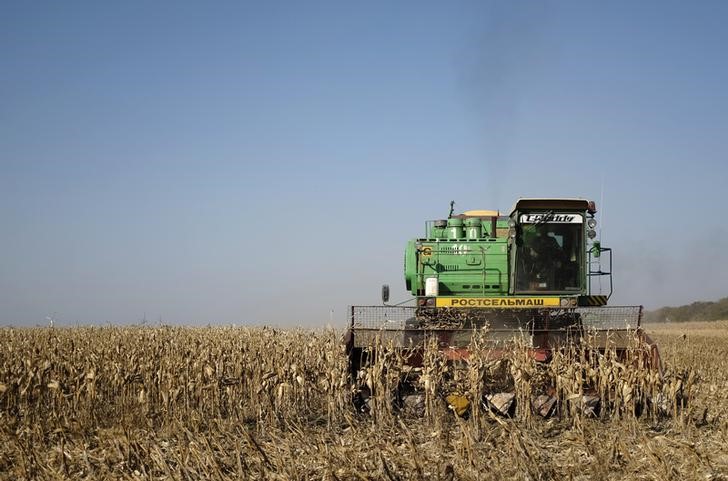
CBOT July soft red winter wheat settled 1-3/4 cents lower at $6.08-3/4 per bushel after early support from higher crude prices faded. The article highlights pressure from ample global supplies, weak U.S. export demand, and upcoming Northern Hemisphere harvests, while the USDA was expected to rate just 27% of the U.S. winter crop in good-to-excellent condition and 4% of harvesting complete. The tone is cautious and bearish for wheat prices, though the broader market impact is limited.
The move lower in wheat reads less like a fresh demand shock and more like a positioning unwind into a seasonally hostile window. Once crude stopped extending higher, the marginal bid from inflation-hedge flows disappeared, leaving wheat exposed to the more durable driver: harvest liquidity and a market increasingly willing to sell weather risk once combines start rolling. That matters because in grains, price discovery often overshoots on the way down when farmers hedge physical inventory and managed money de-risks simultaneously.
The second-order effect is that weakness in wheat can spill into the broader ag complex through substitution and margin compression. If corn and soy stay soft, feeders and ethanol players get relief, but grain merchandisers and storage firms face tighter basis dynamics as nearby supply swells faster than export demand can absorb it. The U.S. crop being damaged does not automatically create a bull case if global exportable supply is still adequate; the market is telling you that North American weather risk is no longer the dominant price setter for the next few weeks.
The key catalyst over the next 1-3 weeks is whether the USDA data confirms a low-quality crop but does not tighten balance-sheet expectations enough to offset harvest pressure. A downside surprise would be a stronger-than-expected good/excellent rating or faster harvest progress, which could trigger another leg lower as trend followers re-engage. The bigger upside tail risk is any renewed Black Sea logistics disruption or a sudden U.S. weather event that threatens spring planting/quality premiums, but that is a later-summer risk rather than an immediate one.
Consensus appears too anchored to headline drought damage and not enough to the market structure of near-term supply release. In other words, the crop can be bad and prices can still fall if the path of least resistance is farmer selling into an already well-supplied global market. The best contrarian framing here is that the current decline is probably a tactically tradable flush, but not yet evidence of a durable break in the bearish seasonal setup.
AI-powered research, real-time alerts, and portfolio analytics for institutional investors.
Request TrialOverall Sentiment
mildly negative
Sentiment Score
-0.15
