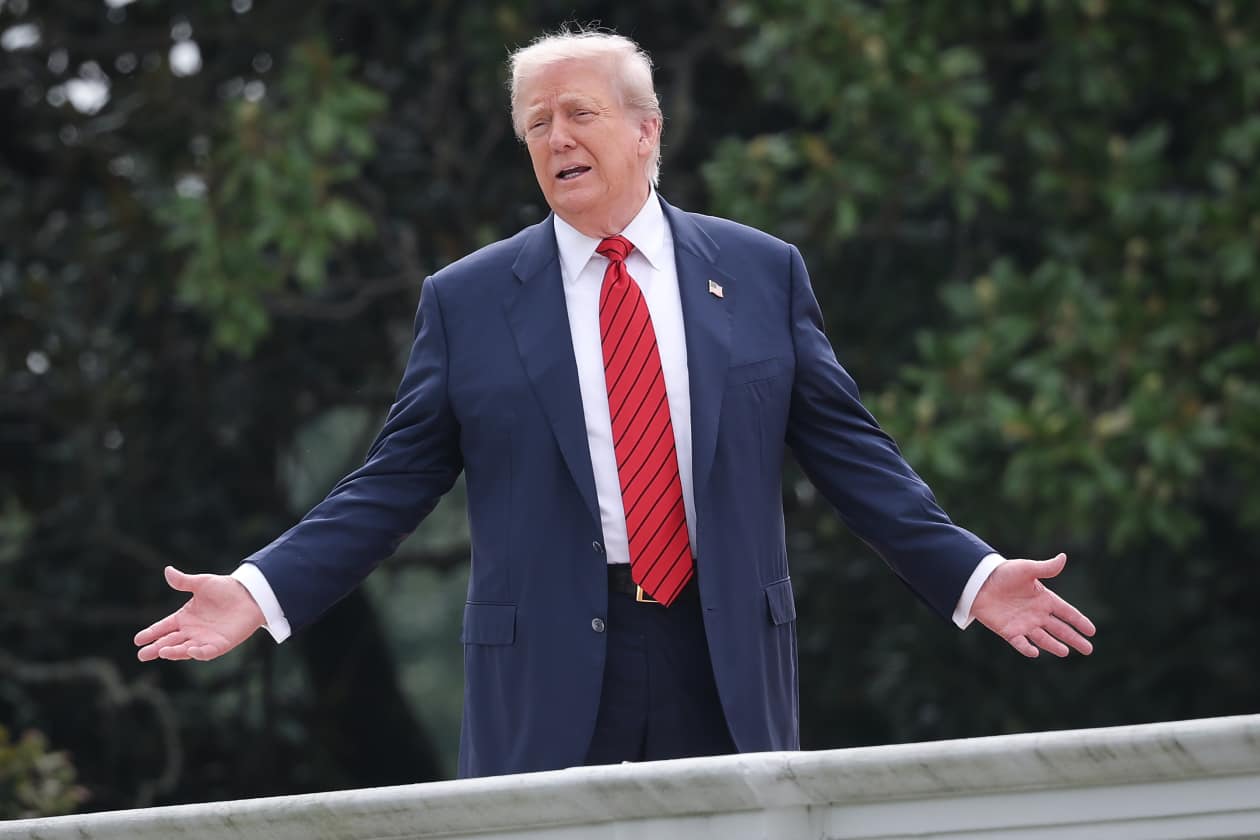
President Trump's administration cited political bias for the controversial firing of a statistics chief, raising questions about the integrity of the U.S. jobs report. However, former Bureau of Labor Statistics officials strongly assert the report's compilation is rigorously insulated from political interference, suggesting that the personnel change is unlikely to fundamentally alter the perceived objectivity of the critical economic data or address its inherent complexities.
The dismissal of the Bureau of Labor Statistics (BLS) chief by the Trump administration introduces a significant political dimension to the interpretation of critical U.S. economic data. While the administration cites political bias as the rationale, former BLS leaders assert that the U.S. employment report's compilation process is rigorously insulated from political influence. This divergence creates a potential crisis of confidence in one of the market's most vital data points. The integrity of the jobs report is foundational for Federal Reserve policy decisions, macroeconomic forecasting, and asset pricing. Although the associated data signals indicate a neutral sentiment and a very low immediate market impact score of 0.1, the event establishes a precedent for political friction surrounding ostensibly objective data. The key takeaway is that while the underlying statistical methodology of the jobs report is currently perceived as intact, the political controversy itself could undermine the perceived credibility of future releases if such actions continue.
AI-powered research, real-time alerts, and portfolio analytics for institutional investors.
Request DemoOverall Sentiment
neutral
Sentiment Score
0.00
