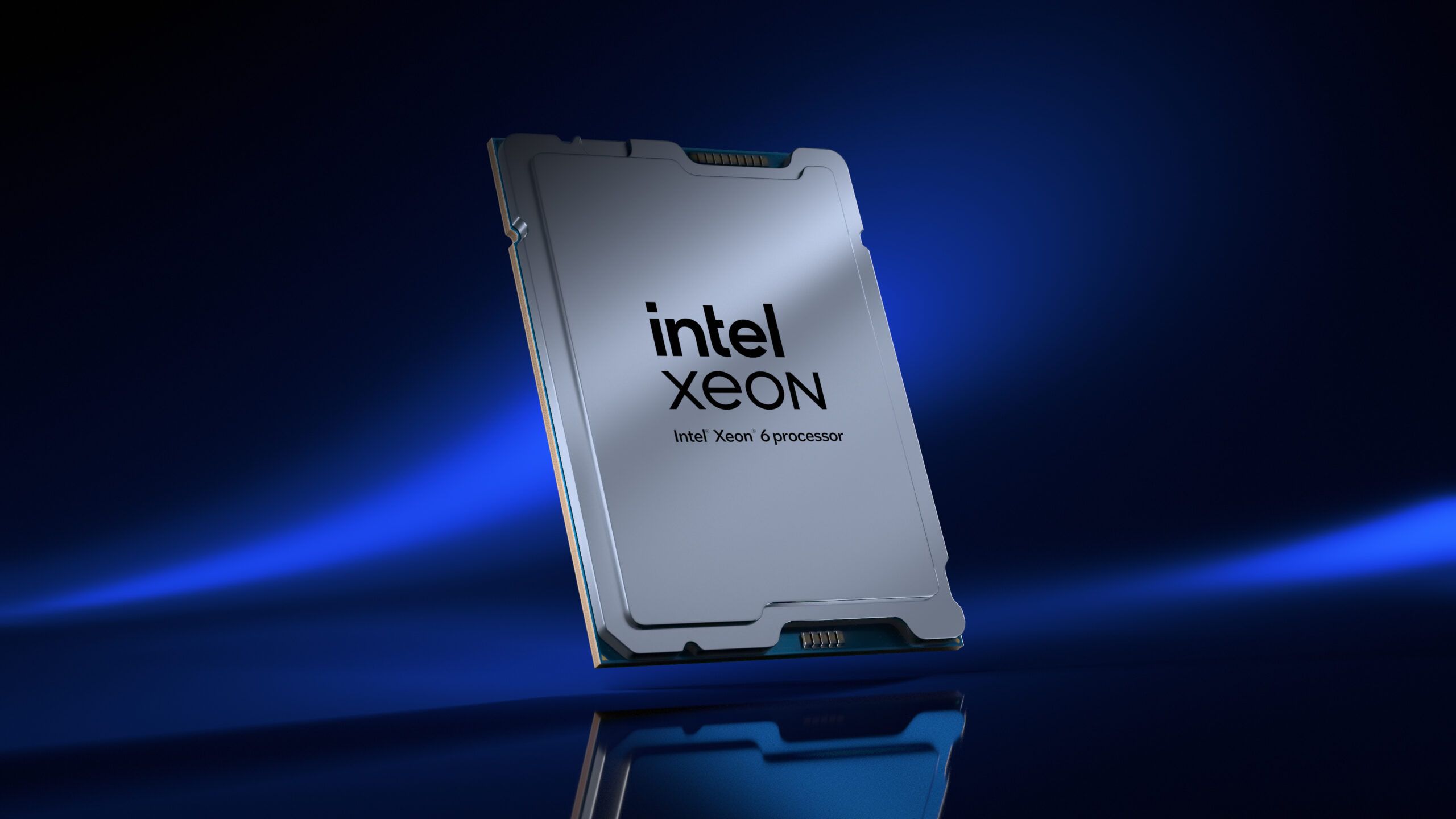
Intel has quietly discontinued its Software Defined Silicon (SDSi) / 'Intel On Demand' initiative: the SDSi GitHub repository was archived in November 2025 and most supporting documentation has been removed, indicating the program will not be carried into the next-generation Xeon platforms. The initiative — which would have allowed customers to enable on-die accelerators (SGX, DLB, DSA, IAA, QAT) via one‑time or usage-based payments — faced industry pushback over paying to unlock pre‑existing IP; its abandonment removes a potential incremental monetization path and signals a retreat from a controversial product-monetization strategy that may have limited commercial traction.
Market structure: Intel abandoning SDSi removes a potential incremental software/recurring revenue stream and eliminates a controversial monetization lever that could have fractured OEM/cloud purchasing dynamics. Direct winners are hyperscalers and enterprise buyers (MSFT, AMZN, GOOGL) who avoid feature-gating risk; competitors offering alternative server CPU/accelerator economics (AMD) gain a relative sales narrative. Pricing power impact is modest near-term — <$0.5B revenue swing likely — but the reputational hit increases procurement friction and could translate into 1–3% lower server ASPs over 12–24 months if customers demand more openness.
Risk assessment: Tail risks include regulatory scrutiny or customer litigation (class-action or procurement disputes) that could create one-time charges >$100M or force retroactive unlocks; supply/roadmap disruption is a medium tail (probability <20%) if architecture changes are needed for future Xeons. Immediate: muted stock reaction in days; short-term (1–3 months): investor questions and small guidance revisions; long-term (6–24 months): competitive share shifts if AMD/ARM capitalize. Hidden dependencies: cloud partner contracts, firmware IP licensing, and Intel Foundry relationships could propagate effects across revenue streams.
Trade implications: Tactical short-biased exposure to INTC is warranted but size-limited — reputational damage is negative but not existential. Prefer relative-value positions: go long AMD (AMD) and cloud operators (AMZN, MSFT) that benefit from less vendor lock-in; use defined-risk options on INTC to cap downside. Volatility should spike around Intel’s next earnings/Xeon launch; trade options around those dates (6–12 week windows).
Contrarian angles: Consensus sees this as pure failure; the overlooked outcome is risk reduction — Intel avoided regulatory and partner fractures that could have cost multiples of potential SDSi revenue. If market overreacts, a disciplined rebound trade in INTC (buy 3–6 month call spreads after earnings if share loss <10%) could capture mean-reversion. History: aborted product monetization (e.g., past enterprise feature fettering) often leads to short-term sell-offs but long-term stability when optics improve.
AI-powered research, real-time alerts, and portfolio analytics for institutional investors.
Request DemoOverall Sentiment
moderately negative
Sentiment Score
-0.30
Ticker Sentiment
