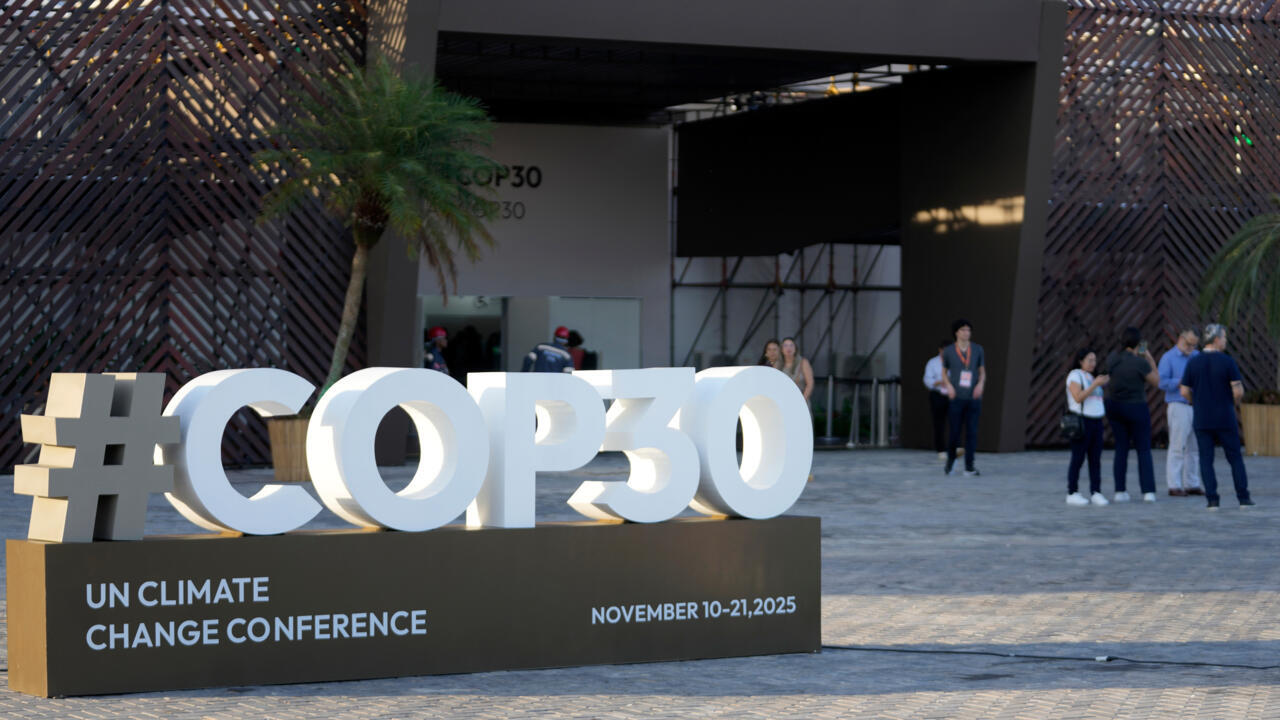
Brazilian President Lula da Silva is pursuing a contradictory energy policy, simultaneously advancing ambitious climate goals, including an 11-year low in Amazon deforestation and 89% renewable electricity, while aggressively expanding oil exploration and exports. This duality is underscored by the recent approval for state-owned Petrobras to drill near the Amazon River mouth, a project projected to generate €46 billion and 350,000 jobs, which Lula argues is essential to finance Brazil's energy transition and secure future revenues as current oil reserves deplete. This pragmatic approach, despite environmental criticism and potential long-term climate implications, reflects domestic political pressures and Brazil's economic reliance on fossil fuels, even as it prepares to host the COP30 climate summit.
Brazilian President Lula da Silva's administration is pursuing a dual strategy, balancing ambitious climate goals with aggressive fossil fuel expansion, creating a significant policy contradiction. While Brazil has achieved an 11-year low in Amazon deforestation and boasts 89% renewable electricity production, state-owned Petrobras (PBR) recently secured approval to drill exploratory oil wells near the Amazon River mouth. This project is projected to generate €46 billion and create over 350,000 jobs, with Lula arguing these revenues are essential to finance the country's energy transition and secure future economic stability as existing reserves deplete post-2030.
This strategic pivot towards new oil exploration in the Equatorial Margin, despite strong environmental criticism and a 'mixed' overall sentiment, underscores Brazil's economic reliance on crude oil, which became its chief export in 2024, comprising 13.3% of total exports. The government aims to increase oil exports to 36% by 2035, an objective that risks raising CO2 emissions to 558 million tonnes by 2050, directly contradicting Brazil's climate pledges. IBAMA's approval, following a 'rigorous process,' highlights the tension between economic imperatives and ecological concerns, particularly for the region's biodiversity and indigenous communities.
The duality is further complicated by domestic political pressures, including a conservative Congress and a powerful agribusiness lobby that has managed to avoid environmental measures like the carbon market law. Despite these challenges, Lula's administration has made strides in internal sustainability, implementing a €330 billion energy transition policy and a mandatory carbon market. As Brazil prepares to host COP30, the focus will likely remain on forest preservation, with the proposed Tropical Forest Forever Facilities, rather than a direct confrontation of the fossil fuel expansion.
AI-powered research, real-time alerts, and portfolio analytics for institutional investors.
Request DemoOverall Sentiment
mixed
Sentiment Score
-0.10
Ticker Sentiment
