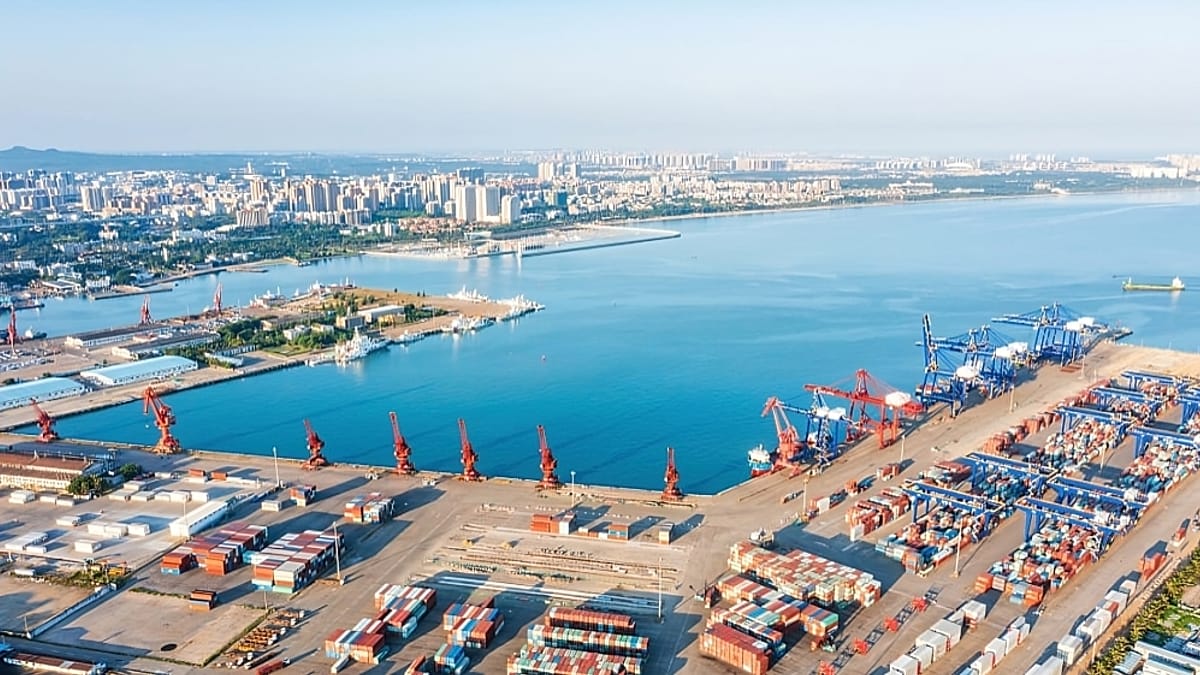
China has designated Hainan as a free trade port effective December 2025, creating a separate customs zone covering over 35,000 sq km (about 50x Singapore and slightly larger than Belgium) with a two-line customs system, expanded zero-tariff imports and a rule that goods achieving ≥30% local value-add can enter the mainland duty-free. The reforms include a flat 15% corporate tax (vs. 25% mainland, 16.5% Hong Kong, 17% Singapore), FX-exempt special bank accounts, broader internet and medical-regulatory exemptions, visa-free access for 86 countries and incentives for manufacturing, tourism, logistics and offshore financial activity—measures likely to attract investment and reconfigure regional supply chains and sectoral flows.
MARKET STRUCTURE: Hainan’s zero‑tariff zone, 15% corporate tax and 30% value‑add gateway create clear winners: duty‑free retail, Asian logistics/port operators, offshore processing manufacturers, foreign pharma/device entrants and tourism/hospitality chains. Expect margin expansion of 5–15 percentage points for firms that relocate HQ/functions there vs mainland peers (25% tax) and a re‑routing of regional trade flows away from Singapore/Dubai/Hong Kong over 3–7 years. Competitively, firms able to combine low tax + on‑island processing will gain pricing power; pure mainland producers face compression and displacement risk.
RISK ASSESSMENT: Tail risks include abrupt policy rollback, sanctions targeting Hainan special accounts, or security escalations in the South China Sea that halt flows—each could erase >30% of expected upside within weeks. Near term (0–3 months) tourism and duty‑free sales will be the fastest signals; medium term (6–24 months) industrial relocation and capex matter; structural maturity is a 5–15 year outcome. Hidden dependencies: port capacity, power/water, skilled labour shortages and mainland demand; failure in any creates bottlenecks that cap growth.
TRADE IMPLICATIONS: Tactical trades: overweight duty‑free retail and Asia logistics, long selective China consumer/healthcare exposure, long CNH via forwards/options for 2–4% appreciation potential on capital inflows. Use pair trades to isolate theme: long China Tourism Group Duty Free (601888.SS) and COSCO Shipping (1919.HK) vs short Hong Kong retail/REIT exposure if Hainan steals traffic. Options: buy 6–12 month calls on CNH or call spreads on FXI/KWEB to express asymmetric upside while capping premium.
CONTRARIAN ANGLES: Consensus underestimates infrastructural and security limits—expect Hainan to function primarily as a processing and tourism hub, not immediate full‑scale FDI migration; therefore initial earnings upgrades will be concentrated in duty free, ports and niche pharma licensing, not broad Chinese industrials. Historical parallel: early SEZs (Shenzhen) took decades to shift national patterns; unintended consequences include tighter mainland FX controls if capital arbitrage accelerates, which would reverse CNH strength quickly. Monitor registration, port throughput and duty‑free revenue monthly as leading indicators.
AI-powered research, real-time alerts, and portfolio analytics for institutional investors.
Request DemoOverall Sentiment
moderately positive
Sentiment Score
0.35
