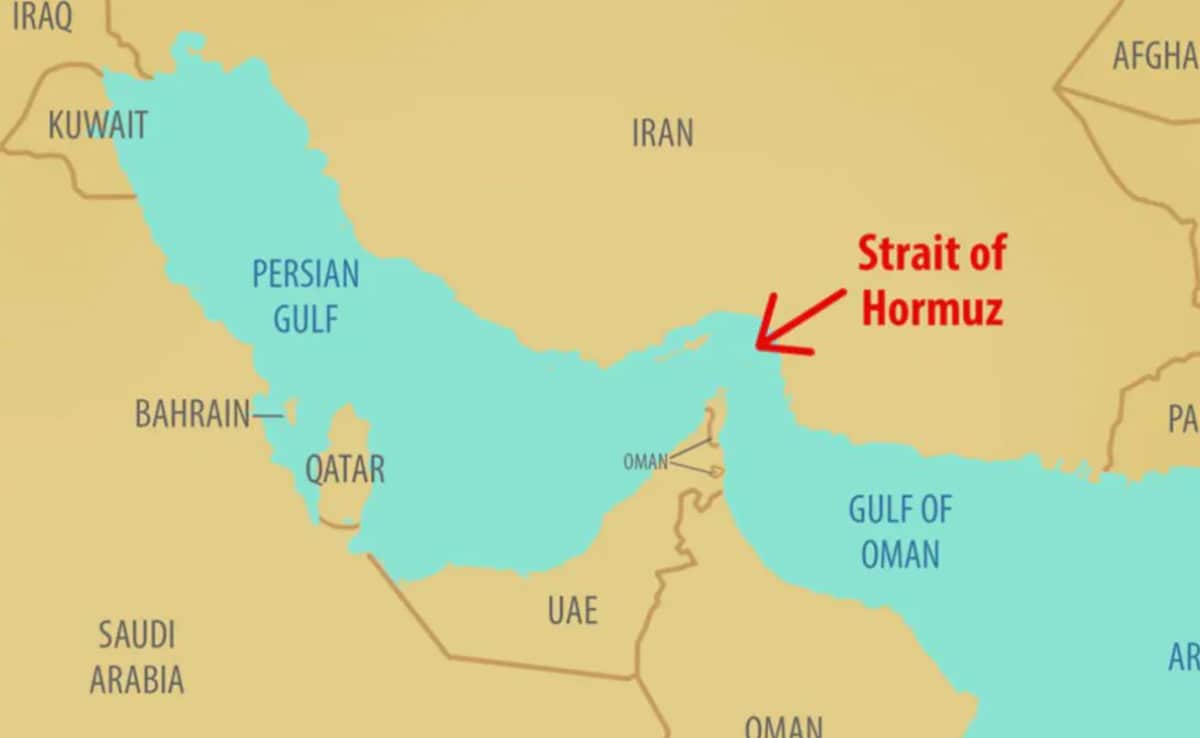
Iran's ceasefire proposal would allow Iran and Oman to levy transit fees on ships passing through the Strait of Hormuz, which facilitates roughly 20% of global oil trade. Unconfirmed reports cite charges up to $2 million for some vessels; Tehran says proceeds would fund post-war reconstruction. The move raises significant geopolitical risk and potential upward pressure on shipping costs and energy prices, despite UNCLOS restrictions, because Iran's de facto control of the strait complicates enforcement and international responses.
Monetizing a narrow strategic chokepoint turns a binary security risk into a recurring transport cost that feeds directly into tanker economics and crude pricing. For a VLCC-scale cargo (~1.8–2.2m bbl), a fixed charge of $0.1–$1.0m equates to roughly $0.05–$0.50/bbl; at scale, that compresses refiners' margins and forces re-contracting or discounts for long-term buyers within 1–3 months.
Second-order winners are asset-light freight brokers, owners of large tanker fleets (who can internalize/stack the fee into dayrates), and nearby transshipment hubs that capture permit and servicing revenue; losers include short-haul pipeline and regional refinery economics that cannot pass on per-barrel increments. Expect insurance and war-risk premia to rise ahead of formal protocols being signed, creating a multi-month window where time-charter and spot rates diverge and storage (contango) becomes economic for middlemen.
Catalysts that will move markets: formal bilateral protocols with a neighboring coastal state (weeks–months), legal challenges under maritime conventions (months–years), and diplomatic pressure from major importers that can enforce de facto exemptions via naval escorts (weeks–months). The primary tail risk is a reversion to kinetic denial of passage — that outcome would rapidly magnify freight and oil-price moves (order-of-magnitude higher premiums) and trigger abrupt rerouting and temporary supply squeezes within days to weeks.
AI-powered research, real-time alerts, and portfolio analytics for institutional investors.
Overall Sentiment
neutral
Sentiment Score
0.00
