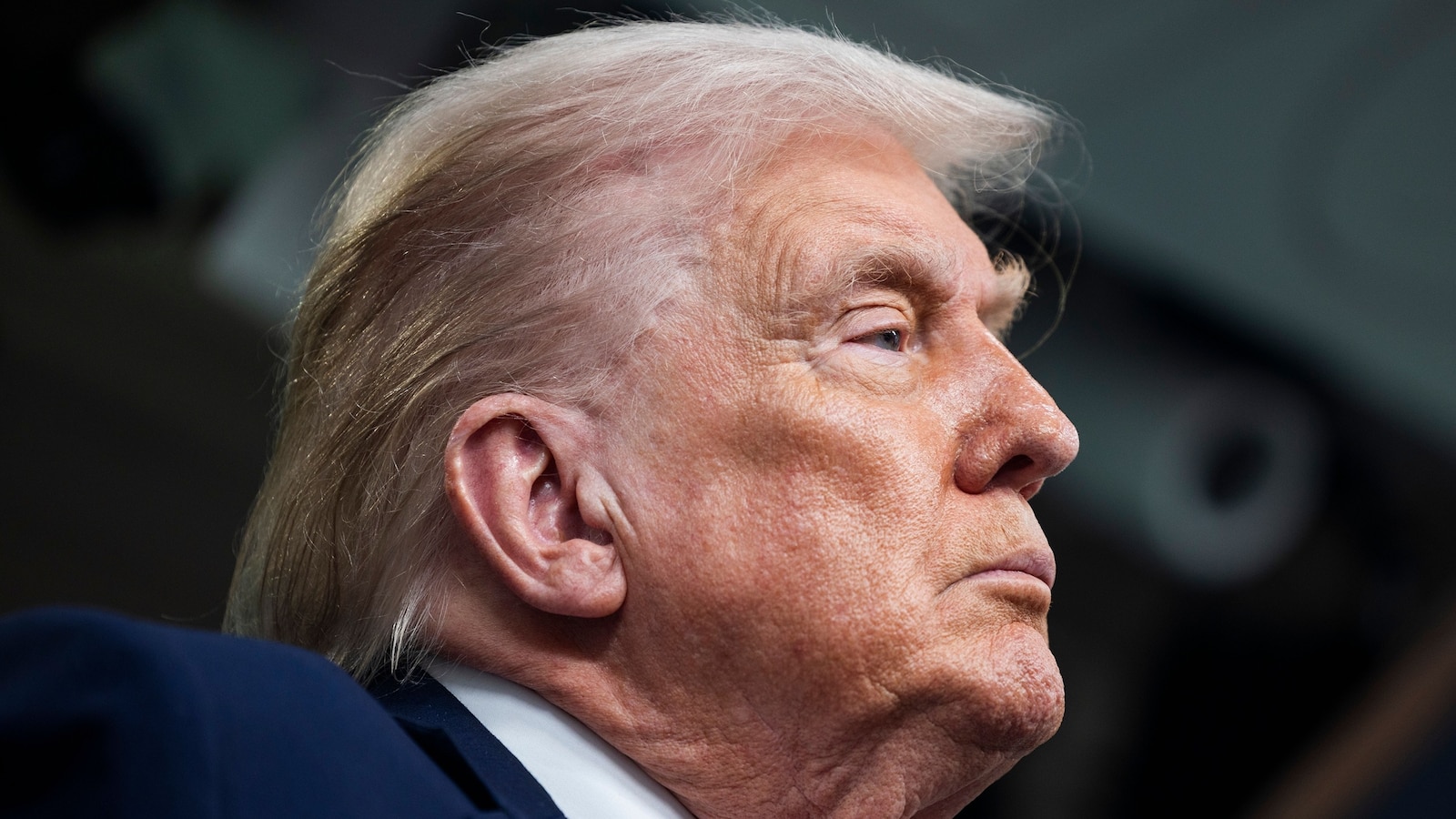
A draft charter for a U.S.-led 'Board of Peace' names Donald J. Trump as inaugural chairman with no fixed term, raising governance and succession questions if a new administration takes office in 2029. Membership terms would be three years, while states that contribute more than $1 billion in cash within the first year could be granted permanent membership — contributions the U.S. describes as voluntary — and the charter promises strict financial controls (approved bank accounts, multi-signatory payments, KYC/AML, Audit & Risk subcommittee, and independent external audits). Several countries report receiving invitations but have been reluctant to endorse publicly; the U.S. will announce members soon, leaving legal, reputational and geopolitical uncertainty for potential donors and partners.
Market structure: A US-led “Board of Peace” with open $1bn permanent-membership hooks favors US-listed defense and engineering contractors (KBR, CAT, LMT, RTX) and custodial banks willing to onboard large restricted accounts; construction inputs (steel, copper, cement) should see demand tailwinds if meaningful reconstruction projects (> $1bn each) proceed. Pricing power accrues to a small set of prime contractors and banks that clear AML/sanctions hurdles; UN/NGO channels and multilateral procurement providers are relative losers, reducing competitive breadth and increasing contract concentration risk.
Risk assessment: Near-term (days–weeks) this is political headline risk — markets will price in uncertainty; short-term (3–9 months) the main risks are legal/regulatory (sanctions/AML enforcement), banks refusing custody, or donor withdrawal; long-term (1–3 years) execution risk (delays, cost overruns) can mute upside. Tail scenarios: a major bank declines custodial role (operational shock), or domestic political change (post-2028) strips continuity — both could erase expected revenues for contractors and create reputational losses for partner banks.
Trade implications: Tactical longs — select prime contractors (KBR, CAT) and copper/steel exposure — but size selectively: target 1–3% portfolio positions and use 6–12 month call spreads to cap premium; buy short-dated protection on global bank exposure (KBWB puts) sized 0.5–1% to hedge AML/regulatory blowups. Cross-asset: prefer USD longs (UUP) vs EUR/EM over 3–6 months if the US finances much of the board; underweight EM sovereign credit (EMB) given geopolitical spread widening risk.
Contrarian view: Consensus assumes quick, large-scale disbursements; history (Iraq/Afghanistan reconstruction) shows multi-year delays and winner-takes-most procurement often blocked by politics and audits. If first $1bn+ deposits are not confirmed within 90 days, contractor rerating is likely premature — that’s the critical discriminator to step up exposure versus fading initial enthusiasm.
AI-powered research, real-time alerts, and portfolio analytics for institutional investors.
Request DemoOverall Sentiment
mildly negative
Sentiment Score
-0.25
