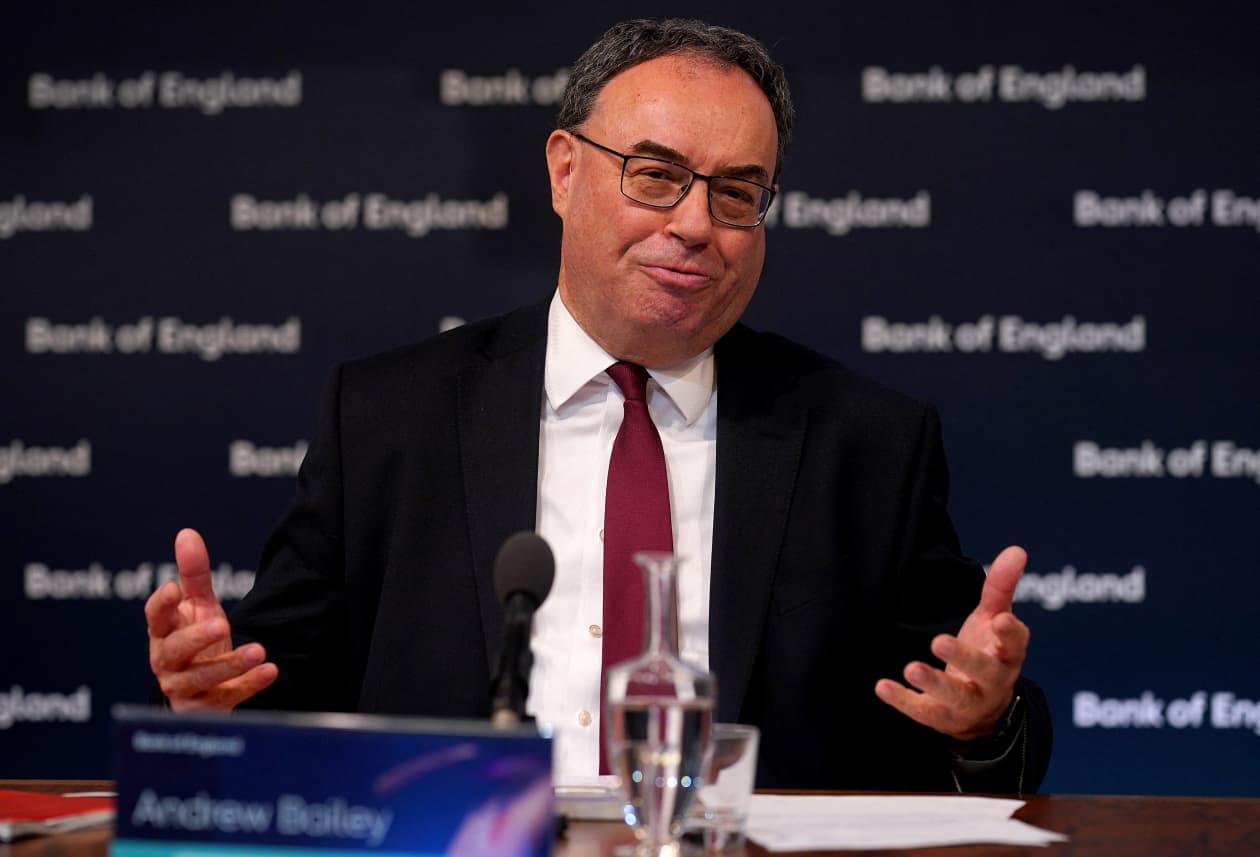
The Bank of England's Monetary Policy Committee exhibited deep internal divisions on interest rates, with four members advocating a hold, four a 25-basis-point cut, and one a 50-basis-point reduction. This lack of a clear majority underscores the BoE's policy dilemma and introduces significant uncertainty for market participants regarding the trajectory of future rate decisions.
The Bank of England's Monetary Policy Committee is facing a significant internal policy schism, as evidenced by a recent vote where the nine-member body was split three ways. Four members voted to hold interest rates steady, four supported a 25-basis-point cut, and one advocated for a more aggressive 50-basis-point reduction. This profound division, with no single view commanding a majority, underscores a fundamental lack of consensus on the economic outlook and the appropriate monetary response. For markets, this internal fragmentation at the central bank translates directly into heightened policy uncertainty, making the future trajectory of UK interest rates exceptionally difficult to predict.
AI-powered research, real-time alerts, and portfolio analytics for institutional investors.
Request DemoOverall Sentiment
mixed
Sentiment Score
0.00
