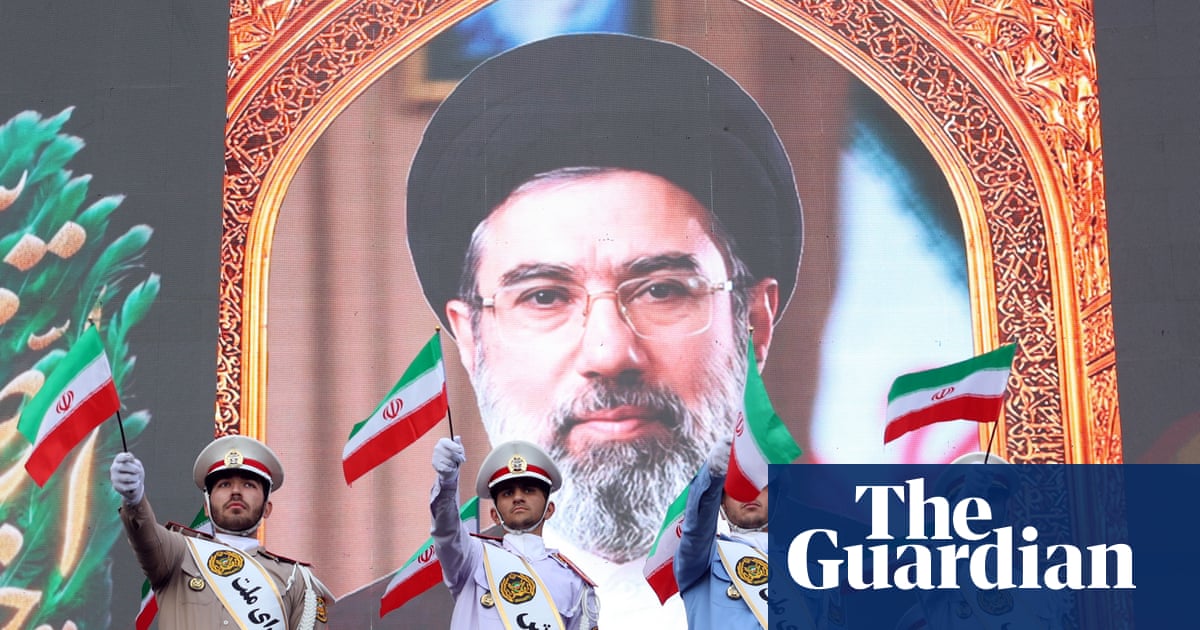
Iran’s supreme leader signaled a hardline stance on the Strait of Hormuz, where vessel traffic has fallen to about 3 ships a day from 120-140 normally, while oil prices have surged above $120 a barrel and briefly approached $125. The US counter-blockade and Iran’s threatened fees regime raise the risk of a prolonged disruption to a waterway that carries about one-fifth of global oil flows. This is a market-wide geopolitical shock with direct implications for crude, refined products, shipping, and Gulf exporters.
The market is pricing a supply shock, but the more durable second-order effect is a global insurance-tax regime on every barrel moving through the Gulf. Even if physical flows partially normalize, higher war-risk premia, escort costs, rerouting, and slower port turns can keep seaborne crude and LNG effectively tighter for months, not days. That matters because the marginal buyer is already forced into a higher-cost, longer-lead-time logistics chain, which compresses refining margins outside the Gulf while widening them for regions with optionality and storage. The real losers are not just importers; they are trade-intensive sectors with thin inventories and high just-in-time exposure. Airlines, European chemicals, Asian refiners without alternative feedstock access, and container shipping through the broader region face a double hit from fuel and schedule disruption, while upstream producers with incremental export flexibility gain pricing power. A less obvious beneficiary is US Gulf Coast infrastructure: pipelines, storage, and export terminals become strategic choke points, and any name with spare takeaway or export capacity should outperform on a sustained risk premium. The main catalyst path is political, not military: a misread escalation, a convoy incident, or a failed backchannel could push prices into a self-reinforcing spike, but a negotiated corridor regime would unwind the move quickly. The overhang is that extreme prices eventually trigger demand destruction and emergency diplomacy; however, that process usually takes weeks to show up in product demand and only months in crude balances. In the interim, the market is likely to overpay for supply security, which is why optionality is preferable to outright directional futures exposure. Contrarian view: the consensus may be underestimating how much of the premium can persist even without total closure. If vessel traffic remains materially below normal, the system does not need a full blockade to sustain a large dislocation; it only needs enough friction to keep inventories from rebuilding. That makes this less of a binary “open/closed” trade and more of a volatility regime shift across energy, freight, and defense logistics.
AI-powered research, real-time alerts, and portfolio analytics for institutional investors.
Request DemoOverall Sentiment
strongly negative
Sentiment Score
-0.72
