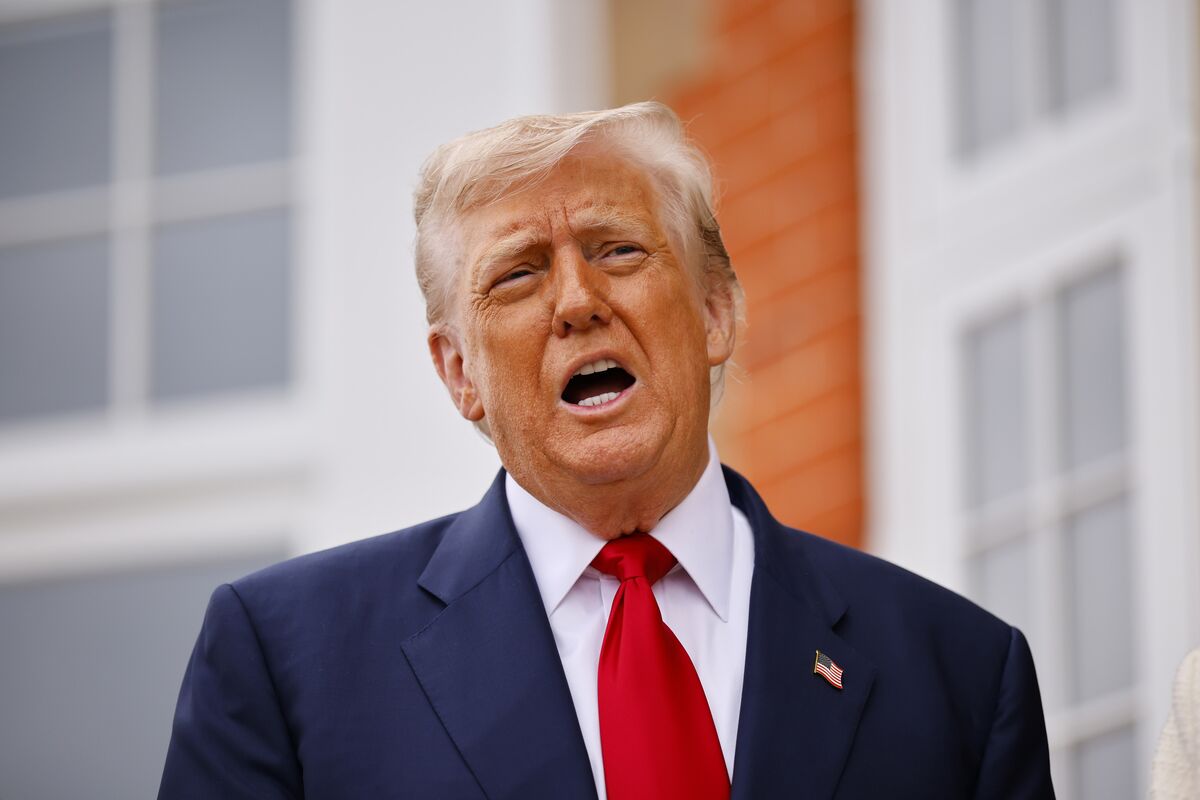
President Trump announced the resumption of trade negotiations with Cambodia and Thailand, following a brokered ceasefire between the two nations over a disputed border. This development, which Trump attributed to saving lives by ending a conflict, signals a renewed focus on economic diplomacy in Southeast Asia and could lead to increased trade opportunities for the involved parties.
The announced resumption of U.S. trade negotiations with Cambodia and Thailand represents a direct linkage of geopolitical de-escalation with economic policy. President Trump's intervention to broker a ceasefire over a disputed border has been explicitly used as a predicate for restarting trade talks, framing diplomatic success as a transactional gateway to economic engagement. While the sentiment surrounding this development is moderately positive due to the reduction in regional conflict and the potential for enhanced trade, its immediate market impact is projected to be low. This suggests that investors are viewing it as a preliminary step, lacking concrete details on the scope, timeline, or potential concessions of any future trade agreements. The event underscores a strategic focus on Southeast Asia, potentially impacting regional supply chains and U.S. economic relationships, but the tangible benefits remain contingent on the outcome of the now-restarted negotiations.
AI-powered research, real-time alerts, and portfolio analytics for institutional investors.
Request DemoOverall Sentiment
moderately positive
Sentiment Score
0.45
